
 EN
EN
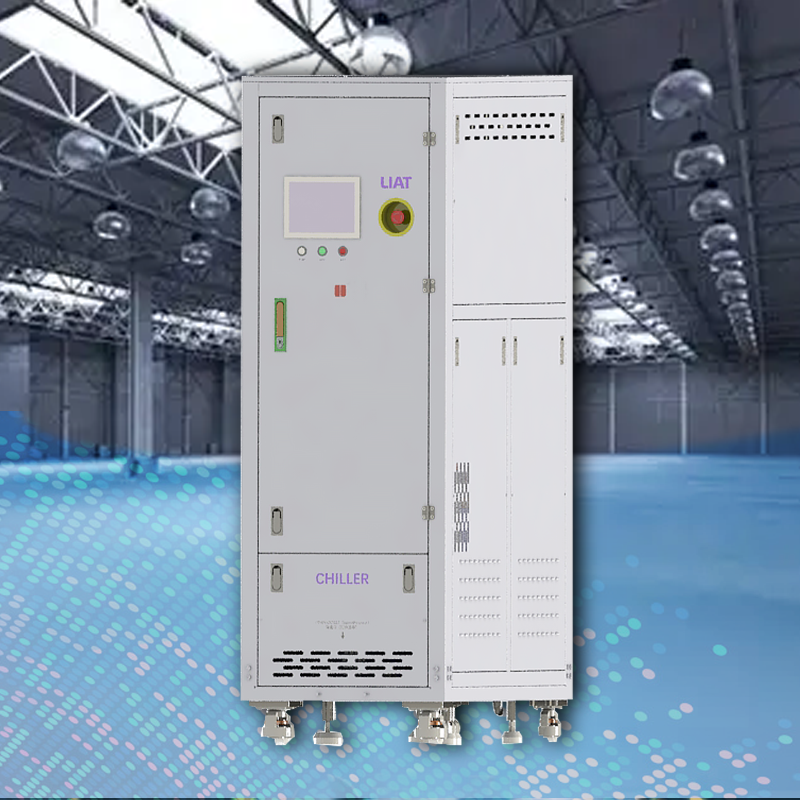
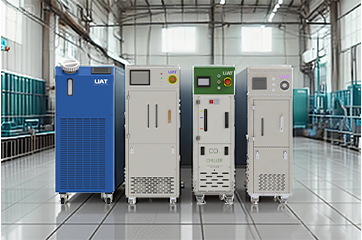
Supermarkets and Food Retail: Rapid Implementation of CO₂ Chiller Systems
Regulatory Drivers: The Impact of HFC Bans on the Use of CO₂ Chiller Systems
Mandated HFC phase-outs, accelerated by the Kigali Amendment to the Montreal Protocol, have driven supermarkets to eschew refrigerants with high global warming potential. Recently, CO₂ (R744) has emerged as the natural refrigerant of choice to meet these regulations as the effect of global warming with CO₂ (R744) is 1, and it also has zero ODP, at least among the larger refrigerants. Now, major retailers have tough to meet deadlines for compliance in the EU, the US, and the UK. Consequently, the conversion to CO₂ chiller systems is a strategic imperative to comply with regulations and to future-proof systems against the intensifying regulatory environment.
Performance Advantage: The Energy Efficiency of Transcritical CO₂ Chiller Systems for Medium-Temperature Applications
In dairy, deli, and in-store beverage and display case applications, the transcritical CO₂ systems offer dairy and deli greater efficiency. In these applications, case studies show that transcritical CO₂ systems operate with 30% less energy than legacy HFC systems operating under the same conditions. CO₂’s superior energy efficiency and thermodynamic properties is magnified when other systems are using integrated heat recovery systems. Systems have parallel compression architecture for temperature swings. Systems that have parallel compression architecture operate with consistent and optimal energy efficiency.
Real-World Impact: Major UK Retailer's CO₂ Chiller System Rollout Cuts GWP by 99% and Lowers Energy Use by 12% A big retailer in the u.K. retrofit chiller systems using transcritical CO₂ for over 200 stores. A third-party lifecycle assessment supported the project. The rollout eliminated 99% of direct refrigerant related GWP impact and reduced site level electricity use by 12%, leading to a cost reduction of $740,000 per store annually (Ponemon Institute, 2023). This transition was made without operational downtime, showcasing the deployability of modern CO₂ solutions and maturity of the technology. Food Processing and Cold Storage: Scaling CO₂ Chiller Systems for Low-Temperature Demands Operational Need: Frozen Supply Chains Driving Investment in Low-Temp CO₂ Chiller Systems It is essential for the frozen food industry to have refrigeration systems that are ultra-stable and energy-efficient and are capable of handling maintenance without taking the temperature above the target of -25 degrees Celsius, that is the policy target for the frozen food industry, of -18 degrees. This level of refrigeration is now seen as necessary as the frozen food production is now growing at a 7% Annually ( Food Logistics, 2023). The demand for ready to eat meals and plant based proteins, drive demand for frozen foods above a -15 degree Celsius target -15 and compromise the entire production.
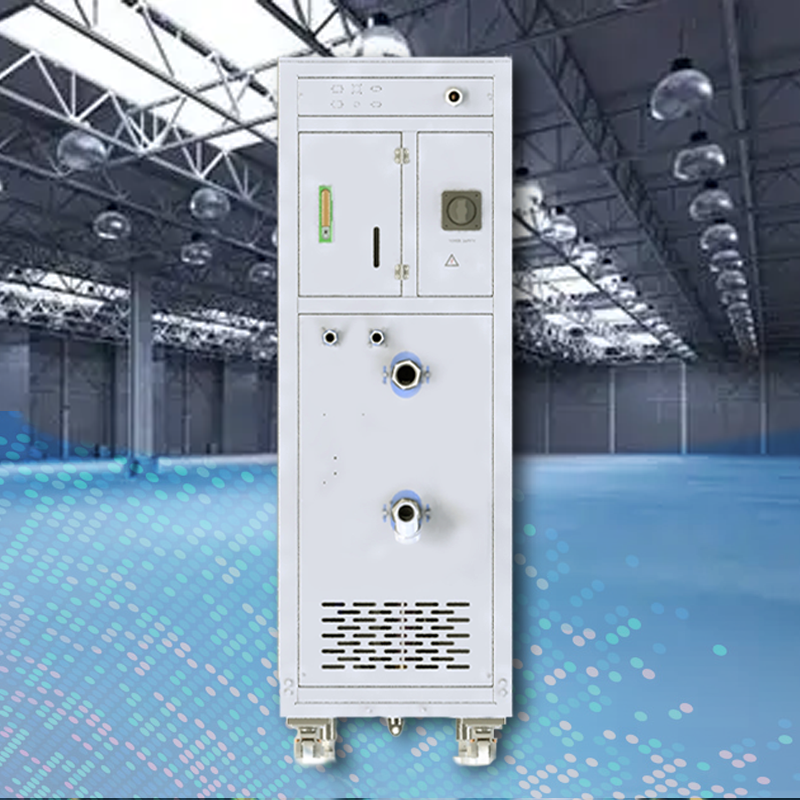
Cascade and Secondary-Loop CO₂ Chiller Systems for –40°C Operation
A cascade and secondary-loop CO₂ chiller system offers maximum precision and safety for a variety of applications, including storage of products in a freeze-dried or cryogenic state, as a result of deep freeze applications like blast freezing. Cascade setups utilize ammonia or hydrocarbons, in conjunction with CO₂, within two-stage circuits to provide operation at –40°C temperature with a sustained temperature fluctuation of ±0.5°C and a defrosting interval in excess of 40% of sustenance. Using secondary-loop designs, CO₂ is circulated in a closed system and the refrigerant is separated from the food contact zones, thus adhering to the FDA and BRCGS control of contamination. At –35°C, this specific setup achieves a COP value of 130% over other low-temperature systems using HCFs (high carbon foams). Furthermore, the pre-heating of cascade condensers improves the energy efficiency of the system.
Pharmaceuticals and Dairy: CO₂ Chiller Systems for Compliance-Critical Precision Cooling
Regulatory Directive: FDA and EMA Prefer CO₂ Chiller Systems with Non-Corrosive and Non-Combustive Properties
The processes of pharmaceutical and dairy products are tightly controlled by a variety of governing agencies, such as the FDA and EMA, that are concerned with the use of refrigerants in sterile and food environments that are not combustive or toxic. Since CO₂ (R744) is a natural refrigerant, there is no danger of contamination from refrigerant leakage. CO₂ chiller systems are a solution that meets the requirements set by the Kigali amendment of the global phase down of hydrofluorocarbons and for the production of injectable and biologic products, fermented dairy as well as pasteurised milk.
Process Stability: CO₂ Chiller Systems Provide Precise (±0.3°C) Thermal Control for Pasteurization Processing and Biologics
Pharmaceutical and dairy industries require comparable safety and effectiveness achieved only through consistent temperature control. CO₂ chiller systems have achieved up to ±0.3°C stability for protein denaturation prevention in high-volume fill and finish vaccine components, dialyzed HTST line pasteurization, and microbial destruction in dairy. Denaturation prevention is afforded to customers through CO₂’s unique capability for temperature control, even during start up or high system load, with system demand. During the freezing phase of cascade CO₂ applications, stability in -40°C can protect the integrity of monoclonal antibody formulations against freeze-induced damage. CO₂ also reduces batch rejection rates and earns the trust of customers by reducing the occurrence of freeze damage in premium dairy ingredients.
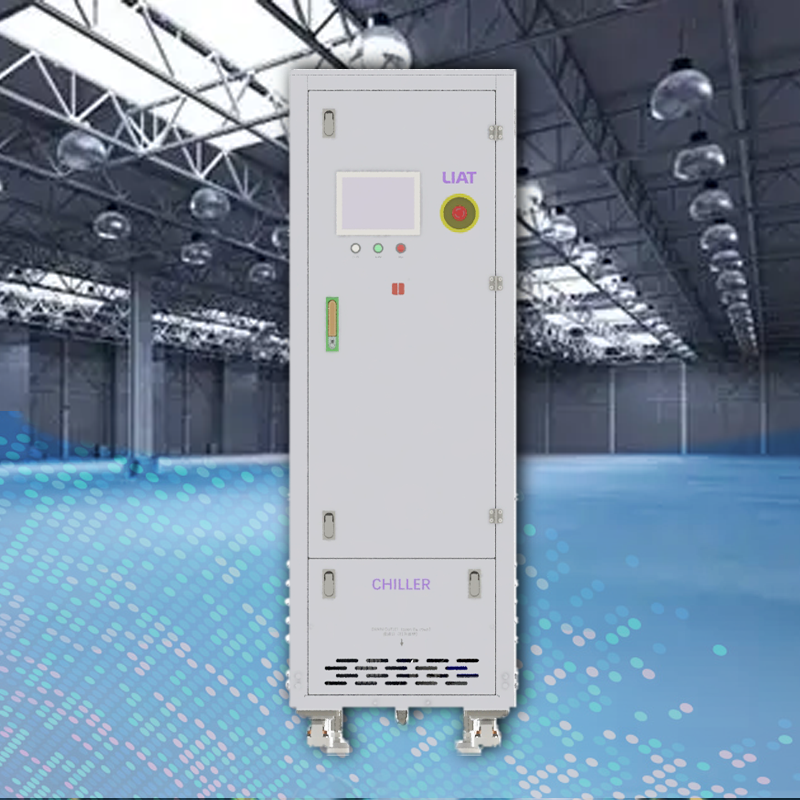
Logistics and Distribution Hubs: Integrating CO₂ Chiller Systems Across Multi-Zone Refrigeration
System Flexibility: Hybrid CO₂/NH₃ and All-CO₂ Designs Power Multi-Temperature Distribution Centres
Supplying modern logistical distribution centers means many temperature zones need to be sustained simultaneously, ranging from ambient receiving docks (15-25°C) to refrigerated (2-8°C) storage, frozen (-25°C) storage, and ultra-frozen (-40°C) storage all within one logistical center solution. Hybrid CO₂/ammonia systems make the most out of ammonia's efficiency at low temperature duties and CO₂'s efficiency at med to low temperature duties, thereby isolating the cross contamination concern regarding refrigerants. On the other hand, all-CO₂ design solutions using cascading refrigerants combine transcritical and subcritical refrigerant solutions. Hybrid CO₂ systems design solutions also support three features that modular systems design solutions should have, including the following three features:
- Zone-specific optimization: Dedicated refrigerant circuits mitigate thermal bleed, protecting the integrity of the cold chain from the fresh and frozen units.
- Scalable capacity: Distributed CO₂ units allow the capacity to be aligned with the unit's throughput and growth.
- Integrated energy recovery: The energy loss reported from the freezing compressors is used to defrost and heat the unit's space.
Traditionally, either design solution supports lower total annual energy expenses of 15-20% when compared to multi-zonal refrigerant systems and at the same time, lower refrigerant inventory, leakage, and compliance costs related to the longer process of sealing the system.
FAQ
Why is CO₂ preferred over HFCs for chiller systems?
CO₂ is preferred due to its low global warming potential (GWP) of 1, zero ozone depletion potential, and compliance with global regulations aimed at phasing out HFCs. It provides an environmentally friendly and efficient alternative.
What are the benefits of transcritical CO₂ systems for supermarkets?
Transcritical CO₂ systems improve upon the traditional HFC system by consuming about 30% less energy and rely upon inherently superior thermodynamics, while also providing improved energy recovery capabilities.
What are the advantages of CO₂ chiller systems for the pharmaceutical and dairy sectors?
CO₂ chiller systems achieve the necessary standards and regulations through non-toxic, non-flammable, and chemically inert cooling solutions. Additionally, they maintain precision temperature control for the integrity of products and safety solutions.