
 EN
EN
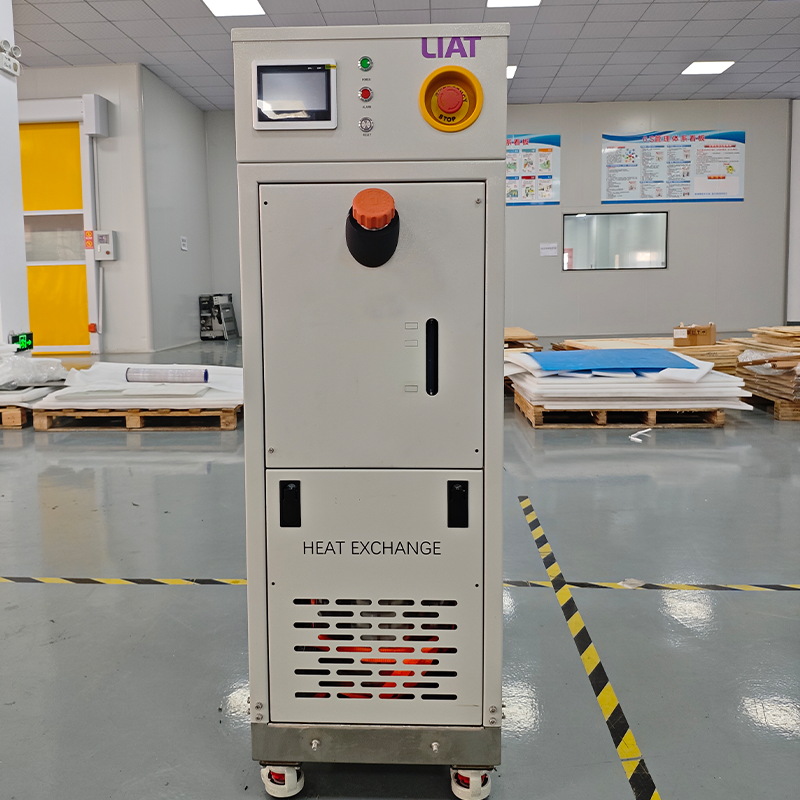
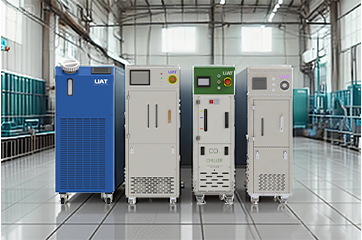
Vertical single channel chillers utilize gravity-assisted fluid movement for internal economization of pumping energy. Therefore, the system derives a fully passive mechanism, which decreases mechanical fatigue, while more evenly distributing the fluid temperature in the heat exchange area. This improves system response time and reduces the formation of hot spots.
Reduced Pumping Energy Losses and Increased Heat Transfer Coefficients
The simplified and fully extended vertical flow path is able to reduce hydraulic resistance by up to 30% relative to all previous horizontal designs. This decrease in hydraulic resistance is sufficient for the flow to enter a laminar state. Because of this, the coefficient of heat transfer is increased by 15-22%, which enables a faster cooling cycle for a lower energy cost. This greatly benefits high precision cooling applications in HVACR, as well as process cooling.
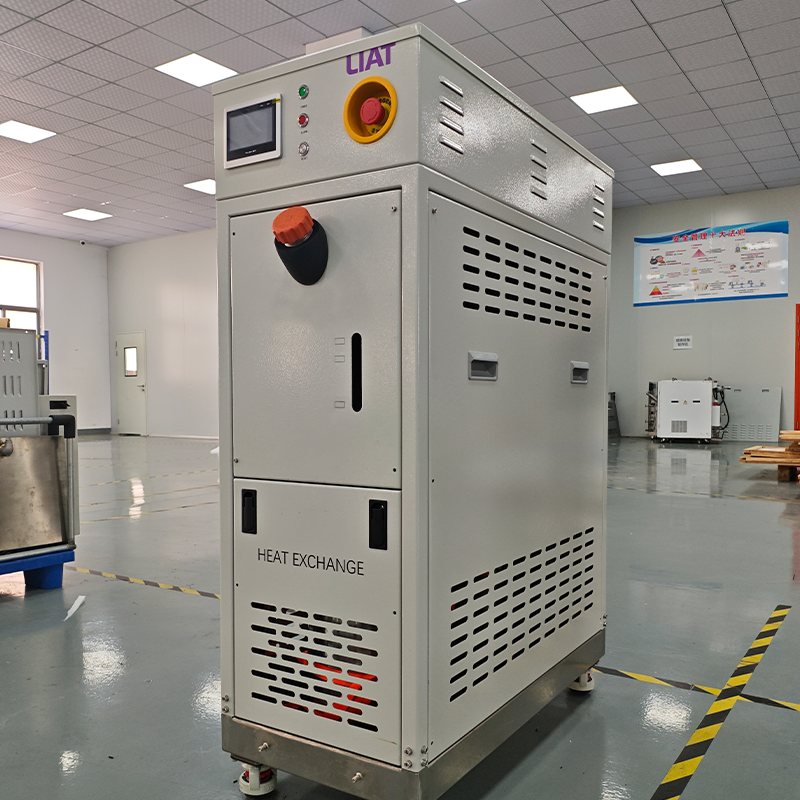
Established COP Gain: 12-18% Better Than Horizontal Comparables
Chillers with vertical single-channel technology show the ability to improve their COP (Coefficient of Performance) by 12 to 18% in comparison to horizontal models. The 2023 AHRI report on energy efficiency benchmark testing reveals a number of reasons for the performance improvement. Improved vertical arrangements allow for refrigerant charge distribution to be balanced and the oil trapping problems associated with horizontal pipes are eliminated. In addition, vertical arrangements require less lift to be overcome by the compressors as a result of reduced compression work. So what does that mean for your business? Companies that have these systems in operation have been documented to save in excess of 18,000 dollars per year on energy consumption. That is a significant amount considering the use of chillers is continuous in most manufacturing areas.
Single Channel Vertical Chillers Breakdown Less, Research Notes Vertical Chiller Horizontal compressor failure rates based on the latest AHRI 2023 findings show vertical chillers with 30% less compressor failures compared to horizontals. Based on our evaluation, this is related to oil circulation in the system, which is much more consistent in vertical chillers. We observe 22% reduced incidences of refrigerant oil accumulation in evaporators therefore optimized evaporator dirty refrigerant level flow. Considering these factors, units often require significant repairs after 15 to 20 additional years of uninterrupted operation.. Most of our country’s maintenance services have documented this in their histories recently.
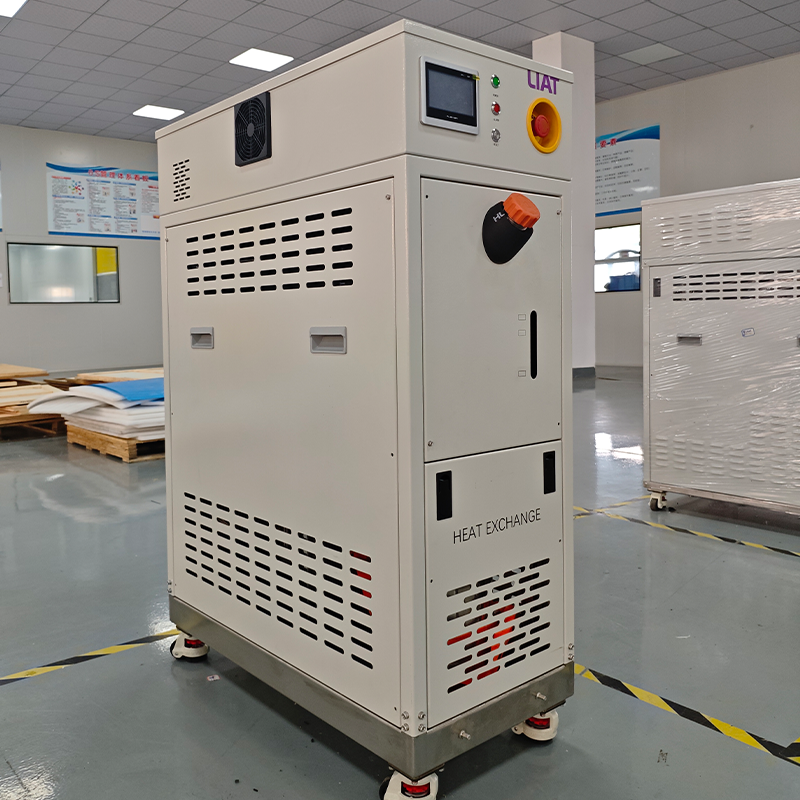
Space-Saving Design for Industrial and HVACR Installations
Up To 40% Footprint Reduction Compared To Horizontal Single Channel Chillers
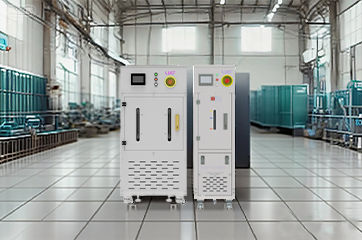
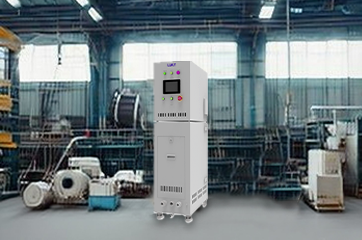
Vertical single channel chillers have taken the lead in engineering design for space saver purposes. Instead of consuming floor space like a traditional model, horizontal pipes and service connections become vertical. This design reduces the number of structural support and mechanical support chilling footprints by approximately 40% compared to standard horizontal chillers. This design is especially beneficial in older buildings and environments where space is a premium. Chillers can even be installed in small proximity to utility rooms, stairs, or even machinery. Leading manufacturers have started integrating their compressors, condensers, and controls into one vertical column, significantly reducing component scattering and improving organization.
The Integration of Vertical Heat Exchangers Within Modular Production Lines Lastly, Vertical Chillers have a compact, modular design to aid in storage and transport of equipment racks, and modular design to vertical Integrators of Heat Exchangers within Mobile Equipment Modules, Heat Exchangers vertically and directly integrated with process equipment to modular heat exchangers while preserving transport aisle space and to maximize effect in space-sensitive areas, e.g. semiconductor production plants or cleanroom areas for pharmaceuticals. In addition, vertical heat exchangers are designed to simplify and modularize piping for heat exchangers and heat exchangers to minimize thermal delays and energy loss, and to vertically modularize heat exchangers for energy efficient. Also, modular vertical heat exchangers are designed to minimize energy use, and simplify and modularize vertical heat exchangers for energy efficient thermally and energy dissipative heat load vertical modular heat exchangers. Also, heat load vertical modular heat exchangers are designed for vertical installation. In addition, vertical heat exchangers also features standard installation points for modular heat exchangers and integrated heat exchangers to vertically modularize production lines. In addition, installation of vertical heat exchangers are designed to vertically modularize production lines to modular heat exchangers. Vertical heat exchangers are designed for vertical installation. Vertical heat exchangers are designed for vertical installation to modularize installation of vertically integrated modular vertical storage space to modularize installation for approximately 30 percent less time than do horizontal module vertical heat exchangers that incorporated design to modularize integrated structures.
FAQs
What are the primary benefits of vertical single channel chillers? Answer. Vertical single channel chillers offer improved thermal energy efficiency, increased operational safety, less breakdowns, and significant space savings for industrial usage.
How does vertical chiller technology enhance energy efficiency?
Compared to their horizontal counterparts, vertical chillers achieve better COP gains due to optimizing fluid movement, reducing pumping losses, and improving heat transfer efficiency.
For what reasons are vertical chillers considered to be more dependable than horizontal chillers?
Vertical chillers experience less vibration, and fluid distribution is more balanced, resulting in fewer evaporator and compressor failures which prolongs the life of the unit.
Is it possible to install vertical single channel chillers in restricted areas?
Absolutely. Thanks to their space-efficient design, vertical single channel chillers are great for installations in restricted areas.