
 EN
EN
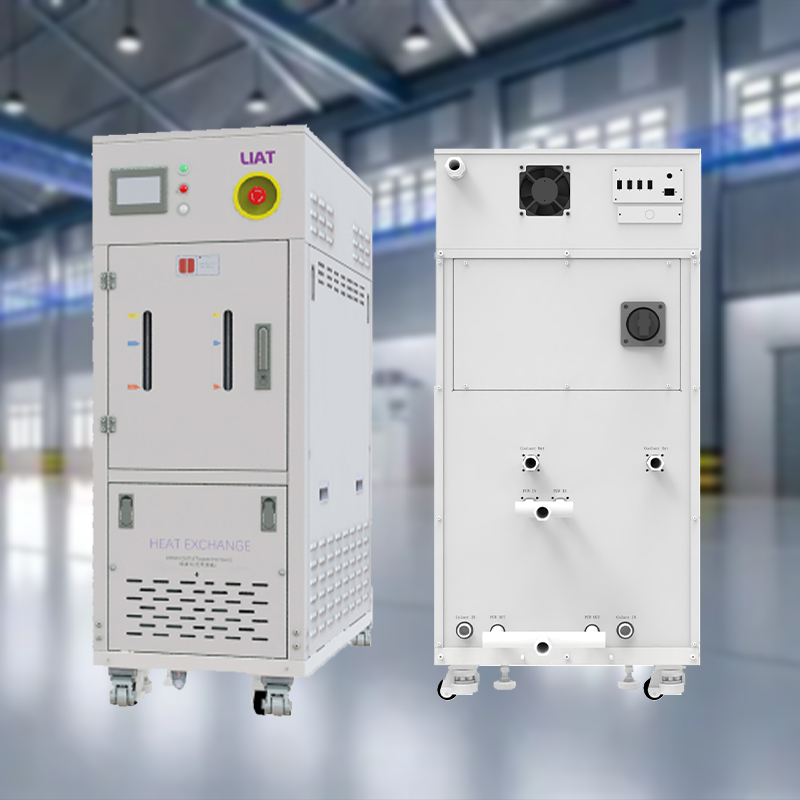
Primary Function: How Single Channel Chillers Reduce Costly Thermal Loss and Energy Wastage
Decreased Thermal Cross-Talk via Exclusively Controlled Flow Paths
Unlike traditional systems, single channel chillers provide each cooling process with a unique refrigerant flow channel. In a multi-loop configuration, problems arise when temperature variations cause irritation to adjacent circuits; however, single-channel systems keep the unwanted heat where it belongs. What does this mean precisely? Minimal unwanted heat transference occurs between circuits, meaning chillers expend less energy correcting temperature drift. Numerous studies on the performance of these systems conclude that the purposeful retention of heat leads to a 15% reduction on energy wastage. Such control is critical in the cooling of semiconductors and the preservation of pharmaceuticals with exacting temperature requirements, e.g. +/- 0.5°C. Adoption of this technology represents a 7% - 12% energy cost reduction compared to older systems that maintain thermal leakage from one element of the system to another.
Dedicated Circuits: Preserved Delta-T and Reduced Energy Consumption
Single loop systems increase Delta T (the difference between supply and return temperatures) by eliminating flow issues and improving flow distribution based on differing system needs and even flow demands. However, with multiple circuits, constantly shifting demands result in significant flow disruption and turbulence, and pumps are required to operate 20%-30% more to meet their targets. In a single channel system, pumps are able to be downsized. Research on fluid flow in pipes shows systems with single channel designs the in pipe fluid resistance dropped by 18% leading to a corresponding reduction in energy consumption. Simplifying the system by eliminating balancing valves and manifolds reduces maintenance costs and increases predictability. Plant Managers appreciate systems that can be counted on to run reliably week after week.
Operational Benefits: More Simplified Systems, Better Control, & Load Matching
VFD Interaction & Dynamic Load Adjustment via Chilled Water Reset
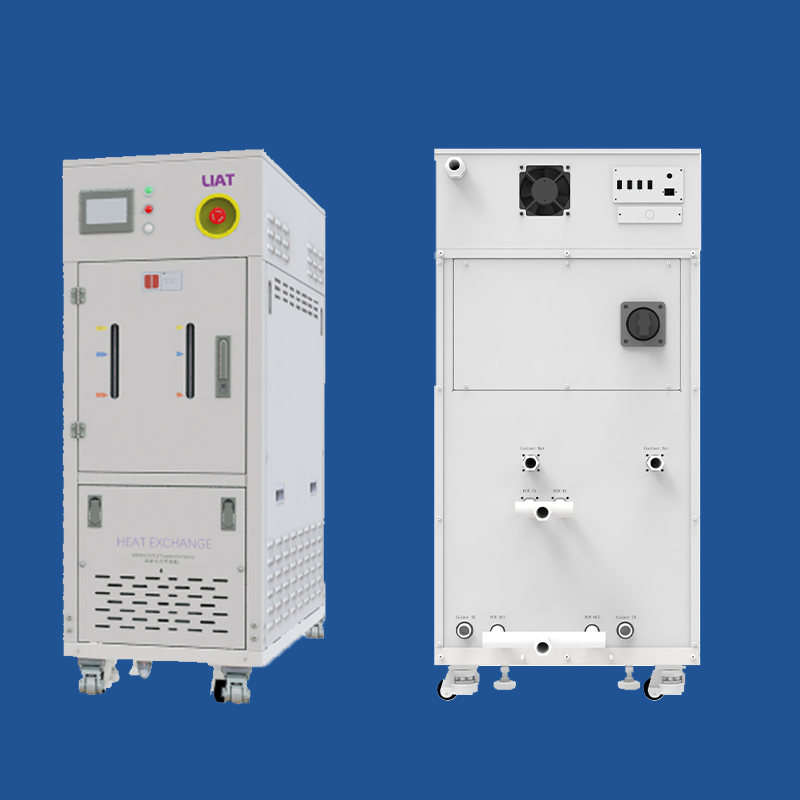
The integration of Variable Frequency Drives (VFDs) with single channel chillers allows for real-time cooling demand-based adjustments of compressor speed. This eliminates fixed speed steps, resulting in a 30% reduction of energy consumption when the system is not operating at peak. Additionally, chilled water reset protocols, which adjust supply water temperatures to prevailing outdoor temperature conditions, yield further energy consumption reductions. An example is an 18% reduction in pumping energy consumption when the water supply temperature set point is adjusted 5°F. Furthermore, the presence of isolated circuit systems means that response and load matching adjustments can be performed without causing excessive compensation.
Streamlined Control Logic Eliminates Oversizing and Part-Load Inefficiency.
Chiller over-sizing is when engineers build chiller systems that have large capacity chillers because they want to account for worse case scenario estimates. However this means that chillers will be running at 40-60% most of the time. Since they do this, single channel chillers have far simpler control logic because the output is adjusted based on the heat load in real time. These systems eliminate the need for secondary pumps and complex valve networks, which, in case you didn’t notice, waste energy. According to ASHRAE, this reduces the need for energy for auxiliary purposes by 22% (and keep in mind this is the least of the impacts provided by this control logic). That’s not even the best of it. For traditional chillers, running at part load and at less than half load, you have to suffer through a loss of 15% efficiency. But with single channel models, when demand drops, they will still perform close to peak efficiency, unlike their competitors.
Real World Results: Confirmed Improvements in Energy Efficiency and Uptime
Data Center Retrofit: 19.3% Chiller Energy Efficiency Improvement Compared to Dual Loop Systems
Another data center upgrade, with an operational improvement of nearly 19.3% chiller energy, has been realized by the replacement of the cooling system's dual-loop chillers by single channel systems. Why? The elimination of thermal cross-talk among the parallel streams. Prior thermal performance studies determined the cooling capacity in mixed loads is most stably Delta-T managed and pumped consumables are subsequently and significantly reduced by up to 18%. Retrofit improvements not only reduced energy expenditures by $98,500, but also the center's greenhouse gas emissions by 109 metric tons. The positive results reveal how profoundly simple engineering improvements have both economically and environmentally beneficial impacts to the client.
Predictive Maintenance Enabled by Stable Single-Loop Flow Dynamics
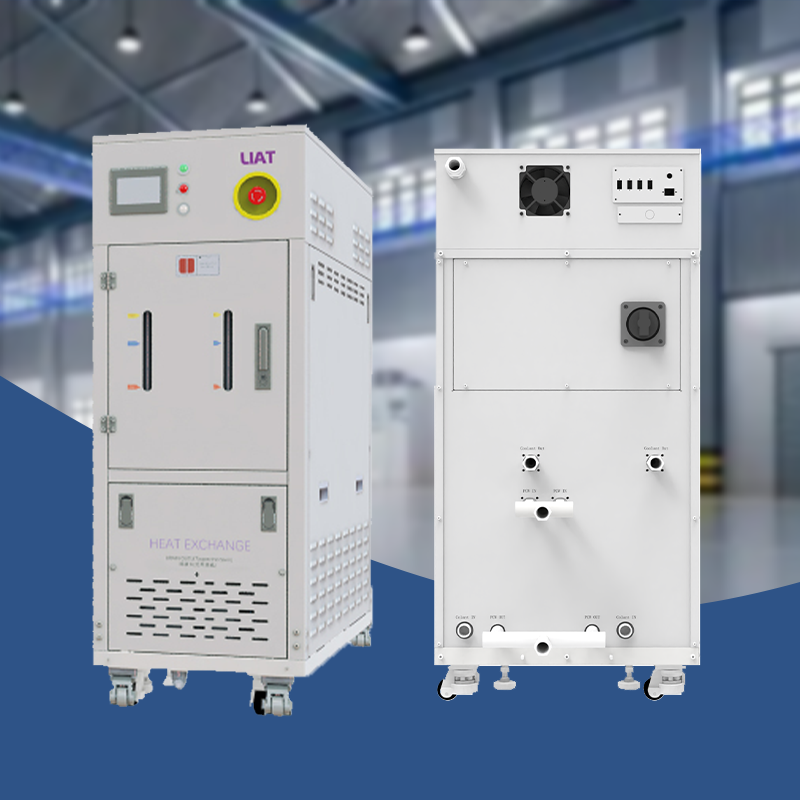
Data with fluid flow patterns allow signal detection for anomaly predictive maintenance. Maintenance personnel can track refrigerant leaks and dirty heat exchangers 37% quicker with stable single-flow, compared to messy multi-flow systems. Vibrational steady state flow monitoring extended major equipment manufacturers compressor lifetimes by nearly 2/3. Instead of breakdown maintenance, predictive maintenance can be performed due to operational data. Field setups of systems with data and without data can reduce repair costs by 29%.
FAQ
What is a single channel chiller?
A single channel chiller is a cooling system where each cooling process gets its own dedicated refrigerant path, minimizing thermal loss and energy waste.
How does a single channel chiller minimize energy waste?
Single channel chillers minimize energy waste by reducing thermal cross-talk between circuits, maintaining optimal Delta-T, and utilizing dedicated circuits to lower pumping energy.
What advantages come from embedding Variable Frequency Drives (VFDs) into single channel chillers?
The incorporation of VFDs means that the speed of the compressor can change according to the requirements of the system in real time. This results in energy savings of about 30%, particularly when the system is not operating at its maximum capacity.
What enhancements to predictive maintenance do single channel chillers offer?
Single channel chillers aid in predictive maintenance by their ability to stabilize flow dynamics. This allows maintenance teams to collect specific data and conduct analyses that pinpoint the cause of performance issues, such as refrigerant leaks or dirt in the heat exchange system.