
 EN
EN
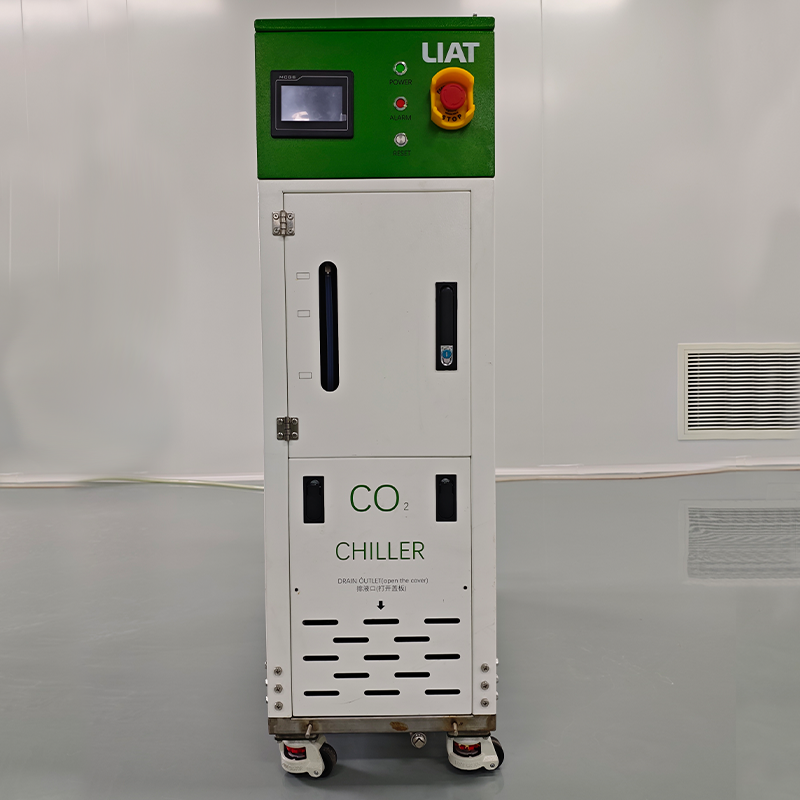
The most recent innovations in vertical stacking of 3D integrated circuits have given rise to severe heat challenges in 3D integrated circuits. Traditional methods of air cooling or liquid cooling solutions are insufficient. Microfluidic cooling integrates miniature cooling channels into the silicone interposers or package substrates, enabling the cooling action to be in close proximity to the functioning transistors. This improves thermal resistance by approximately 40% in comparison to traditional heat sink solutions. Jet impingement is even more extreme. This technique is based on the principle of transporting heat by means of fast-moving fluid streams directed at individual hotspots in the chip, particularly in dense logic or input/output die. This technique can remove heat at a rate in excess of 300 watts per square centimeter. When applied to the most complex 2.5D and 3D chip packages, the above-mentioned cooling methods mitigate the impact of temperature-induced mechanical loads and prevent the separation of layers in the latest techniques of packaging, such as fan-out and hybrid bonding.
Two-phase liquid cooling cooling provides the ability to dissipate heat fluxes of over 500 W/cm².
The cooling liquid Novec 649 or FC-72 turns to vapor in contact with hot surfaces. This high heat absorption capacity of the coolant, exceeds the absorption capacity of single-phase cooling methods. This cooling method proves to be the best for heat fluxes over 500 W/cm², which normal conductive or convective cooling cannot achieve. In practice, with large-2KW-forgetting chips, the vapor phase cooling systems maintain the temperature of the cooled surfaces at 85°C inclusive of AI processors in supercomputers reaching exascale performance. After the cooling liquids have absorbed the heat, the vapor phase flows to an externally located cold plate or to small ducts of a condenser. This closes the thermal circuit (loop). This makes the cooling systems, in particular for rear chip cooling and large-scale server racks, highly advantageous since refilling of the coolant is not required.
FAQ
What are the microfluidic Coolings and Jet Impingement?
While microfluidic cooling employs small channels within the silicon substrates for more efficient cooling, jet impingement employs rapidly moving streams of liquid to hit specific hot spots on the chips.
What makes two-phase liquid cooling so good?
Two-phase cooling can go beyond more than 500 watts per square centimeter, which is way more than any of the conventional methods, simply because it vaporizes the coolants on the hot components.
Can these cooling methods be implemented on large-scale applications?
Yes, microfluidic cooling and two-phase cooling are very applicable for large server racks and direct chip cooling, especially for AI processors and supercomputers.