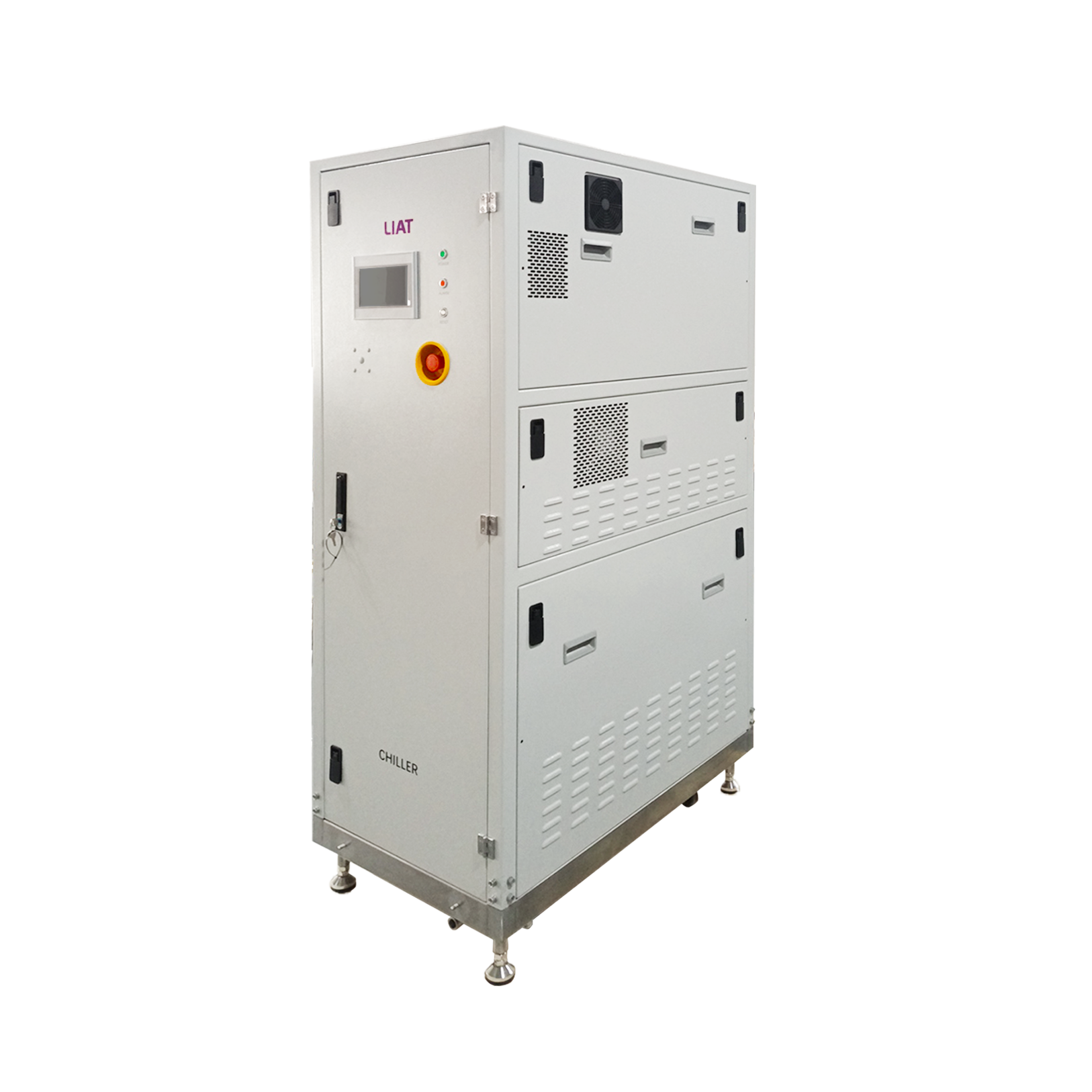
Thermal Instability Directly Drives Yield Loss at Sub-5nm Nodes
Yield loss empirically: ±0.3 °C drift – 12 to 18% increase in defects during EUV lithography
At semiconductor nodes below 5 nanometers, during extreme ultraviolet (EUV) lithography, defects increase by 12-18% (Semiconductor Engineering 2023) for thermal fluctuations at ±0.3 °C. These fluctuations change the refractive index of lens and alignment of the mask, altering nanometer-scale features. At critical levels, one nanometer of deviation is enough to ruin entire dies.
Thermal-induced overlay error translates to instabilities of >±0.1°C degrading alignment fidelity by 3.7 nm per wafer
The alignment of wafers can degrade 3.7 nm per layer from the +/- 0.1°C level. This exceeds the 3nm process node 2.1 nm tolerance. The precision loss creates multiple issues with interconnects, transistor gate leakage, and short circuits in intricate multi-patterned chips. Fabs with inadequate thermal control lose $740,000 of scrap products daily, per Ponemon's research last year. High precision semiconductor chillers can prevent losses. These chillers control thermal variations to fabrication areas with sensitive processes.
How a High Precision Semiconductor Chiller Achieves Sub-0.1°C Stability
Closed loop microfluidic control with dual stage PID and model predictive control
High precision semiconductor chillers of today keep it chill with a closed loop microfluidic system for active temperature control. These chillers utilize dual-stage PID controllers that adjust cooling in accordance with measurements taken by sensors positioned throughout the entirety of the coolant circuit. One of the controllers oversees large temperature differentials and the other performs tuning within a range of +/- 0.01 degrees. This level of control ensures system stability within +/- 0.1 degrees regardless of sudden workload changes, and protects the system from premature wear.
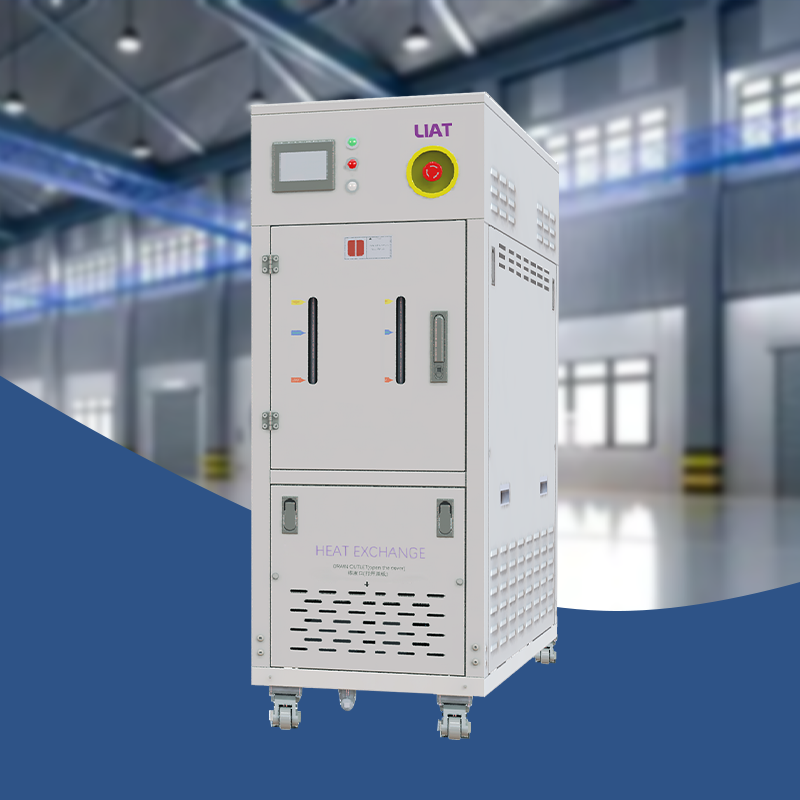
Using previous process information, model predictive algorithms work with other systems to estimate how thermal loads will fluctuate. Before issues arise, these intelligent systems change the speeds of compressors and the rates of flow. For combined control methods, when the power supply has erratic step changes, they reduce the magnitude of thermal control methods by about 67\% when compared to conventional control methods. The system continuously optimizes hundreds of micro adjustments every second through DC inverter compressors and variable speed pumps. At the forefront of modern manufacturing, almost complete control is capable of eliminating over 95% of thermal issues that misalign 3nm nodes, as proven in the real world. For semiconductor developers, the tighter the tolerance, the greater the difference.
Real-World Impact: The integration of high-precision semiconductor chillers increases throughput and uptime.
Samsung's 3nm GAA line: thermal recovery time was reduced to 3.1 seconds which enabled a 22% throughput increase.
An important semiconductor manufacturer continues to have a significant impact on next-generation 3nm Gate-All-Around (GAA) fab facilities with the introduction of state-of-the-art chillers designed to cool the wafers. The most notable of these was the reduction of thermal recovery time from 42 seconds to just above 3 seconds. Practically, this means that the facility can now process an additional 500 silicon wafers on a daily basis. This has also resulted in an increase of approximately 22% in production capacity of the ultra-modern production line, which has been validated in numerous production runs. The lithography line also benefited from this advanced cooling system by maintaining lithography temperature to prevent lithography queues from forming during rapid reticle changes and ensuring that temperature spikes did not occur between different steps of the manufacturing process.
Applied Materials Endura Platform: ±0.05°C Stability Stops Thermal-Triggered Chamber Requalification
SEMATECH research conducted in 2023 enables deposition systems from an equipment manufacturer to rely on precision thermal control to provide ±0.05°C fluid stability. This virtually eliminates thermal drift. The benefits? Each tool experiences approximately 17 fewer unexpected maintenance hours per month, translating to around 380 additional wafers produced annually. Maintaining fluid stability for deposition systems has also reduced defect clusters during thermal cycle processing, where materials are heated and cooled at different rates. This improvement also positively impacted high-κ metal gate processes, increasing the average time between equipment failures by approximately 41%.
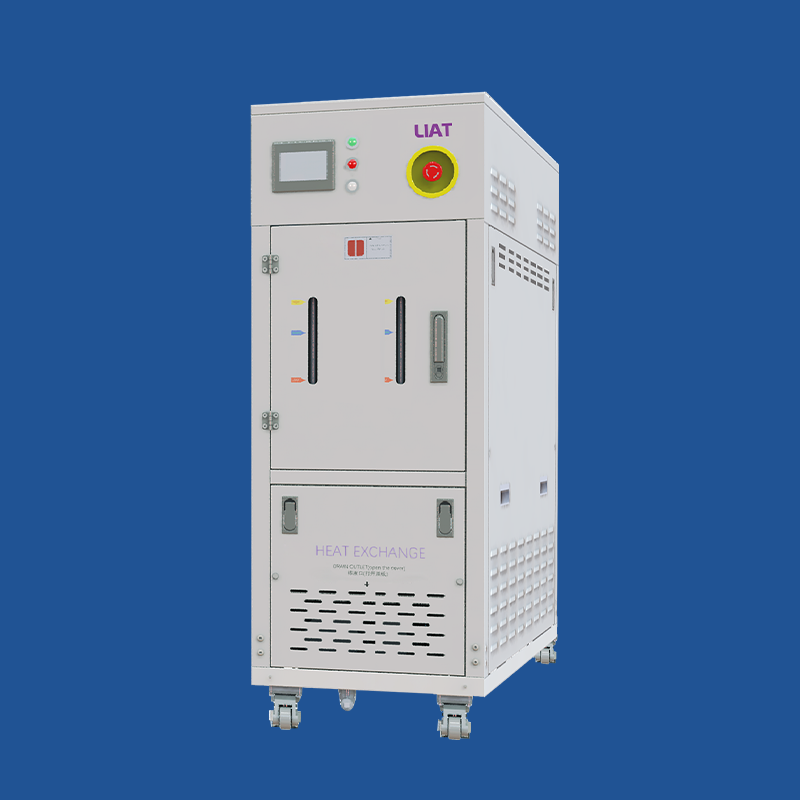
Industry Mandate: Cleanroom-Grade Thermal Stability is a Foundational Requirement
SEMI F47-0724 update requires chiller stability of +/- 0.1 degrees C for sub-2nm logic and HBM3 manufacturing.
Chillers within +/- 0.1 degrees C for sub-2nm logic chips and HBM3 fabrication processes are the most recent F47-0724 standards. What is the purpose of this? Fabs have known for a long time that temperature changes even less than 0.1 degrees C lead to 0.3 nm dimension errors that lead to all sorts of problems within those complex memory stack structures. With an almost endless number of memory layers, high-precision chillers are now the critical enablers of advanced manufacturing and the large majority of overlay issues that use to require entire requalification of chambers due to thermal shifts are gone. In the real world of manufacturing, the data indicates that less than 18% of defects are produced if a customer achieves a stability target of +/- 0.1 degrees C. Maintaining thermal control in cleanrooms is now as fundamental as maintaining particulate control.
FAQ
What is the importance of thermal stability in semiconductor manufacturing? Thermal stability is important because even small temperature changes can lead to major defects, resulting in a decrease of yield and an increase of manufacturing costs.
What is the importance of high precision chillers in the maintenance of thermal stability?
High precision chillers maintain thermal stability by removing bothersome temperature fluctuations in the fabrication environment so that the chips can be manufactured at the closest of tolerances.
What advantages do manufacturing plants gain from having advanced thermal control systems?
Advanced thermal control systems give manufacturing plants a decrease in thermal recovery time, an increase in throughput, and an improvement in quality of the products by keeping alignments of semiconductor wafers and lowering defects in them.