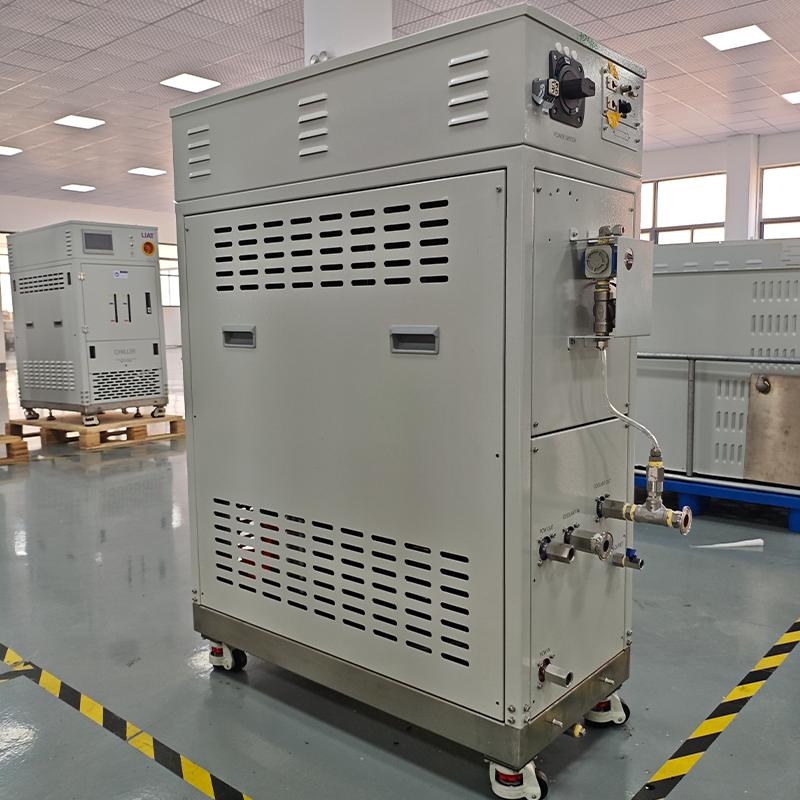
Primary Thermodynamic Benefits of Single-Stage Ammonia Systems
The single-channel refrigeration systems present in industries use ammonia as refrigerant and refer to ammonia’s great thermodynamic properties including high absorption of heat when it vaporizes. Ammonia has about eight times the latent heat of vaporization compared to most synthetic refrigerants. This means that single channel refrigeration systems with ammonia can pull heat away quickly even with smaller refrigerants. Because systems are designed with only one stage and one circuit, they do not require an extra compression step as other multi-circuit systems do. This means energy is not wasted due to pressure changes, which ASHRAE said could vary anywhere from 12% to 18% as of last year. The refrigerant design also allows for consistent temperature distribution over the entire evaporator coil. No more hot spots due to uneven cooling which also is critical in food processing as small temperature changes can be significant. These systems have cooling capacity focused to the exact spot it is needed, therefore improving temperature control for manufacturers. All of this and they still use approximately 15% less power when compared to similar dual circuit systems.
Maintenance Burden and Lower Failure Points: Design Simplicity vs Multi-stage Complexity
A few key metrics show operational reliability from the design simplicity in single channel industrial refrigeration:
45% reduction in components compared to multi-stage systems: omitted secondary compressors, intercoolers, and control valves.
Control circuits are unified, so control circuit diagnosis and repairs can be done faster, reducing mean-time-to-repair by 30%.
Track maintenance logs show these 12 manufacturing sites averaged a 50% reduction in service hours after instituting a single channel system.
The cascading design failure risks are completely eliminated, and regulatory compliance is made easier, all due to a simplification in mechanical systems and therefore fewer systems at risk of ammonia leaks. Maintenance teams have shown a 60% reduction in emergency callouts due to simplified systems, and during scheduled downtimes, they conduct most of the servicing themselves.
Importance of Industrial Single Channel Refrigeration in Various Sectors
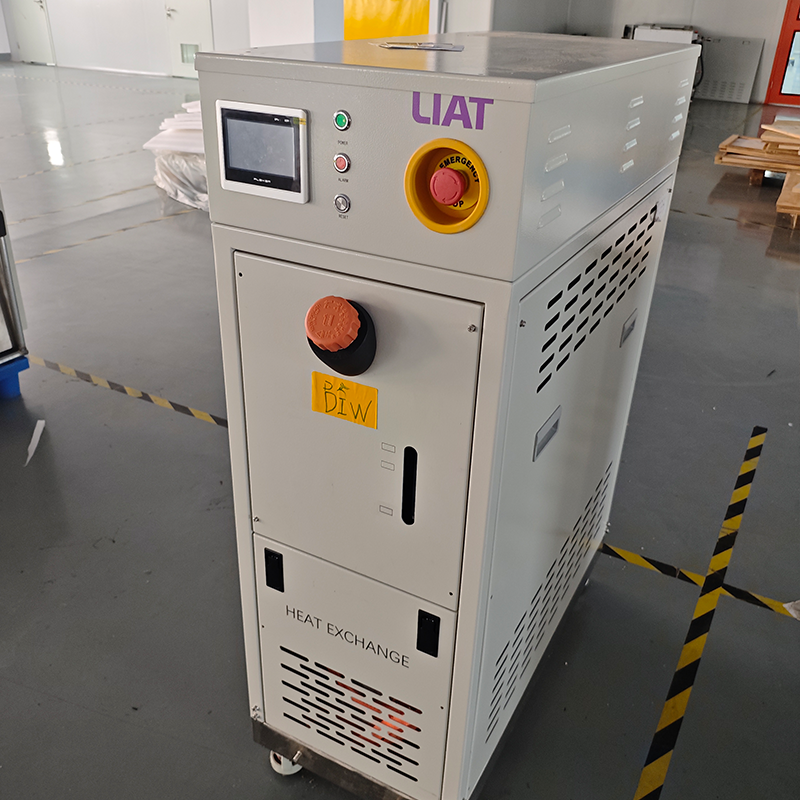
Food Processing: Consistent Cooling and Meeting Temperature Tolerances
In food processing, temperature stability is crucial. Any temperature increase beyond 1° C could lead to food spoilage, pose food safety risks, and a processing plant could even be in violation of food safety regulations dictated by the FSMA. As a result, industrial single channel refrigeration for blast freezing and pasteurizing is crucial in food processing. These refrigeration systems operate because of channel systems and less complicated ammonia flow paths. The less complicated the ammonia flow path, the less complicated it is for channel systems to function efficiently, giving less cause for premature stops and and preventing spoilage of massive quantities of food. This type of refrigeration is reliable, and coupled with consistency, it has been shown to favorably impact food processing businesses, as around 17% of product (Food Tech Journal) is said to be less wasted over a year with consistent temperature than with a fluctuating temperature. Furthermore, the refrigeration units are perfectly adapted to cope with the variations in production, as they are designed to respond to the on and off cycles of the compressors.
In chemical pharmaceuticals, the control of exothermic reactions during the synthesis of the drugs and the crystallization of the drugs is very important. The single-channel refrigeration system is the only system that is able to provide that support. An increase in the temperature during an exothermic reaction, even as little as 2 degrees, can affect the configuration of the molecules to the extent that the quality of the end-product is affected. The Pharma Engineering Review (2024) journal published research that indicated a 30% improvement of the refrigeration system over the multi-circuit traditional systems in the consistency of the batch quality. The design of fewer joints and valves help increase the flow of the refrigerant and reduce the probability of refrigerant loss due to leakage. The Chemical Safety Board indicated that the loss of refrigerant due to leakage may be as high as 45% during the production of drugs. There is a reduction of maintenance costs, as well, in the synthesis of active pharmaceutical ingredients (APIs) where a narrow range of temperatures is required. The loss due to the unexpected shutdown of systems that are designed to operate continuously can be as high as $740, 000 every hour, according to research conducted by Ponemon in 2023.
Total Cost of Ownership and Operational Safety – Industrial Single Channel Refrigeration
10-Year TCO: Capital, Energy, and Lifecycle Cost Savings Compared to Dual-Circuit Systems
Single-channel refrigeration systems have better value for their customers over time than those with dual circuits. The design allows customers to save approximately 15 to 25 percent due to the requirement for only one compressor as opposed to multiple units, along with less piping and fewer control devices to install. In terms of operational expenses, these systems are more efficient by approximately 12 to 18 percent due to the absence of energy losses associated with the operation of multiple compression stages. With systems that have fewer components, the need for maintenance is reduced by about 30 percent. This has been documented by industry analysts, and is oftentimes the case with maintenance and repair costs, which tend to be 2.5 to 3 times the initial costs of the machines. In production, reliability is often the most critical success factor, and systems are intrinsically more reliable with fewer moving parts. This is particularly true for complex systems that tend to operate with inconsistent levels of reliability, often experiencing unplanned downtimes.
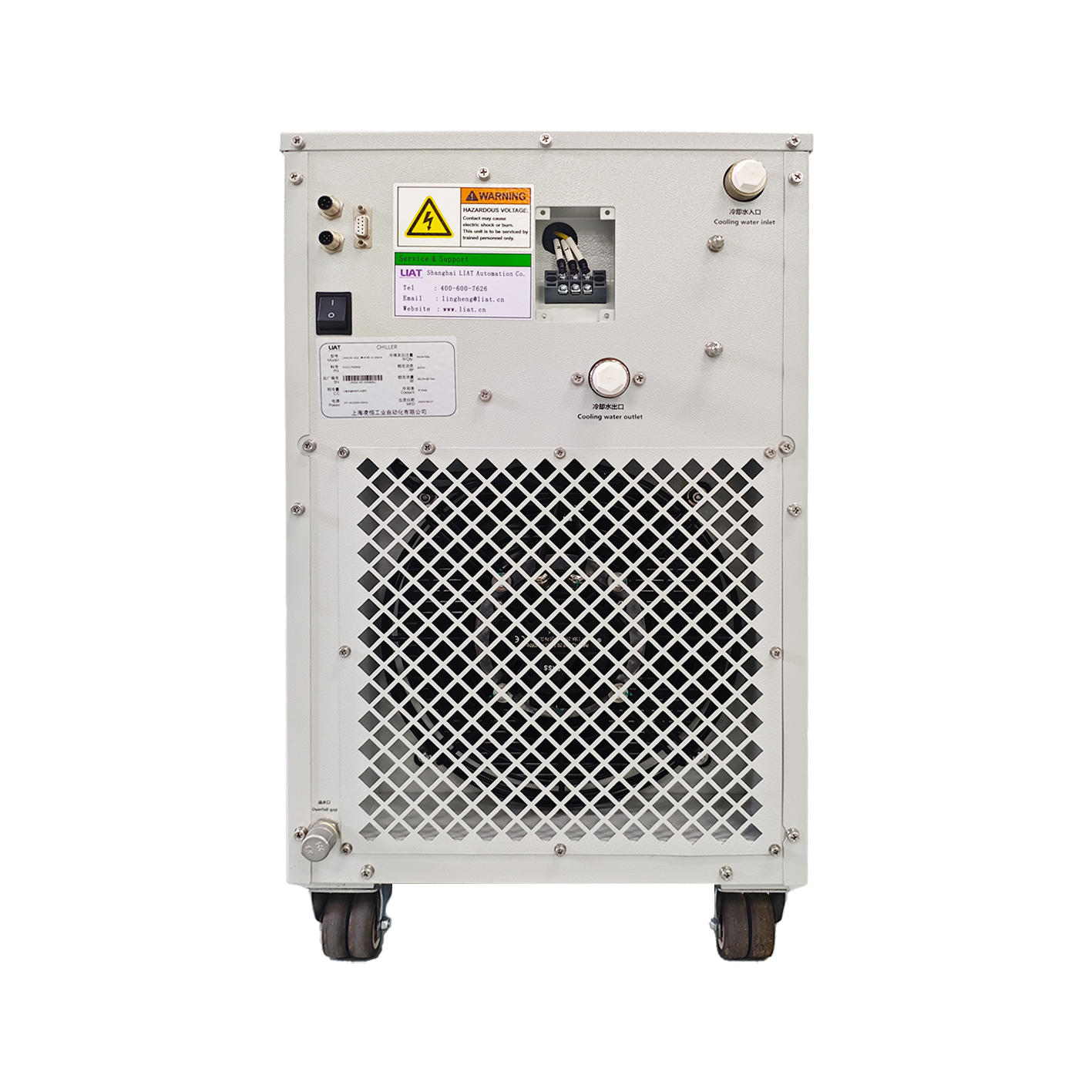
Streamlined Regulatory Compliance and Leak Management in Single-Stage Layouts: Ammonia Safety in Practice
Single channel systems increase ammonia safety because there are fewer possible places for leaks. For example, most facilities moving from dual circuit systems have 40% fewer joints and valves after the switch. This translates to fewer problems and less exposure to risk. Problems are easier to identify and resolve. The central monitoring system greatly assists in meeting OSHA requirements (in particular, §1910.119) and the EPA as well. In addition, the compact design improves gas incident mitigation and allows for quicker gas detection. Testing done at several manufacturing plants has proven the systems nearly cut emergency response times in half. For facilities that place a priority on employee safety and operational efficiency, choosing single channel refrigeration is essential, especially given today’s regulatory requirements.
FAQ
What is single channel refrigeration?
Single channel refrigeration is a system that has one refrigerant circuit, as opposed to multi-stage systems that have multiple circuits.
Why is ammonia used in refrigeration systems?
Ammonia is known for its superb thermodynamic attributes in absorption of heat from surroundings during its vaporization process.
How does single channel refrigeration improve operational reliability?
Operational reliability is improved since single channel refrigeration systems have less systems that can fail.
Which industries can utilize single channel refrigeration systems?
These systems can be used in industries like food processing, pharmaceuticals, and chemical manufacturing since they need better regulation of temperature for steady production.
In what ways do single channel systems improve the safety of ammonia?
They have fewer leak possibilities, less monitoring, and safety compliance is easier. This decreases the likely exposure of employees to ammonia.