
 EN
EN
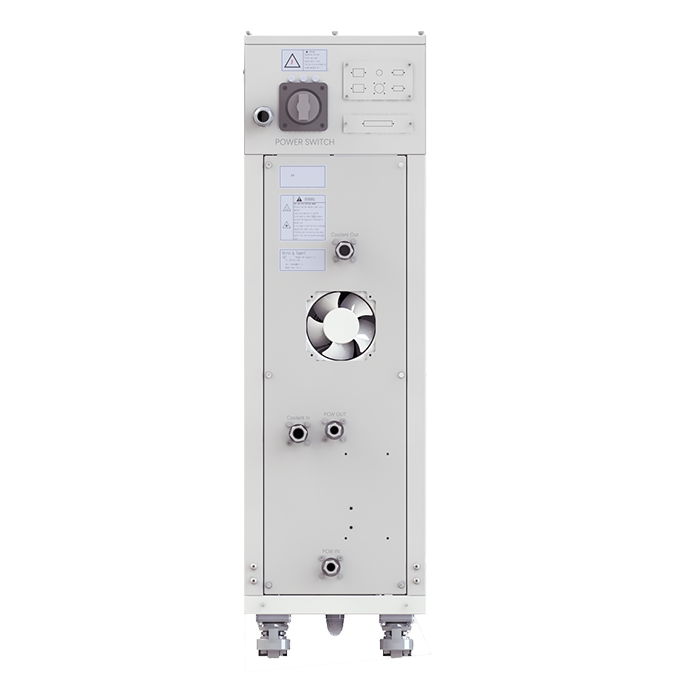
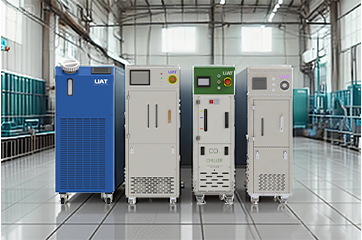
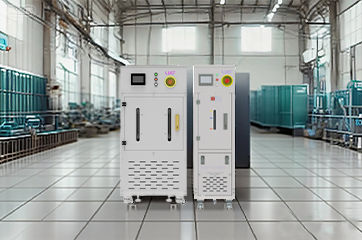
With a modular design, the chiller units have the ability to construct a closed loop system using separate, independent, compressor units for each refrigeration circuit, and as such, do not rely on one central compressor. For managed and unplanned down compressor events, the adjacent, neighboring circuits can increase their workload to allow for uninterrupted cooling. The unique design and built-in system provides redundancy to the production processes, and, during peak extreme conditions, the temperatures can remain virtually the same, only changing by as little as 0.5 degrees Celsius. Each individual circuit can be controlled to operate as low as 15% max power. This results in significant operational cost savings as the energy control required is to match the specific throughput in real-time without operational cost waste from being required to continuously cycle large systems on and off.
With hot-swappable modules, maintenance and expansion can be done in cleanrooms without disturbing existing processes. These modules interface with utility modules, which provide power, cooling fluids, and control connections, cleanroom-rated for Class 100. During maintenance windows, technical staff will replace refrigeration units or pump modules into existing structures, as IT staff do when they replace server blades. Front panel access means the tech staff will no longer need to access dusty areas to reduce the risk of cross-contamination. In 2023, Semiconductor Engineering published an article which detailed several case studies. Facilities that implemented these modules reduced the time required to expand their chillers by 70% compared to traditional methods that employed welding for pipe connections. All work was completed while remaining compliant with ISO Class 5 air cleanliness standards.
Intelligent Load Matching: The Role of Variable Capacity Control in Semiconductor Process Automation
Chiller Load Staging and Cycling of Inverter Driven Compressors for Lithography and Etch Tools
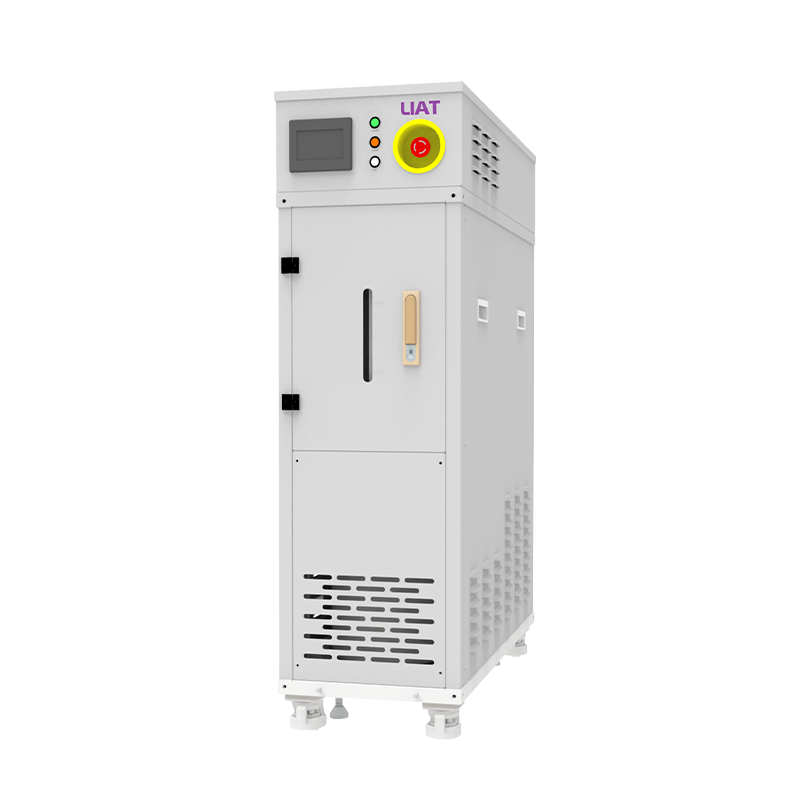
Modern modular chillers are capable of providing a cooling output that is proportional to what is required at any given instant by employing microprocessor-based modular chillers that incorporate multiple discrete refrigeration circuits that can be turned on or off to provide cooling to specific circuits. Additionally, the cooling units (compressors) incorporated in these chillers are not just simple on/off devices; they can modulate their cooling output from 10 to 100 percent, thereby providing a near-instantaneous response as the cooling load varies due to the heat dissipation rates of the lithography scanners and plasma etch machines utilized in semiconductor fabrication. The combination of these advanced features enables the chillers to be operated in a non-wasteful manner while not sacrificing the ability to control the coolant temperature at any point within a ±0.5 °C of the set point, even in the case of significant, rapid, and repetitive changes that occur during the various processing steps of the semiconductor fabrication process.
Per-Module Motors and Flow Modulation for Accurate Thermal Delivery
The chiller modules include these proportional motorized valves that adjust coolant flow depending on what is happening downstream with the tools. This leads to each module having the ability to provide optimal cooling to each specific process tool and prevent temperature spikes due to recipe changes or when there is an open chamber door. The system employs closed loop feedback to adjust coolant flow in real time with every process switch. Compared to older fixed systems, we have tested a 23% reduction in thermal stress on the wafers. This reduction makes a significant impact for semiconductor manufacturers that have to navigate tight tolerances.
Adaptive Temperature Regulation: TACS Optimizes Temperature Setpoints on-the-fly
TACS Integrates with Fab-Level MES for Temperature Stability of ±0.1°C for Critical Exposure Steps
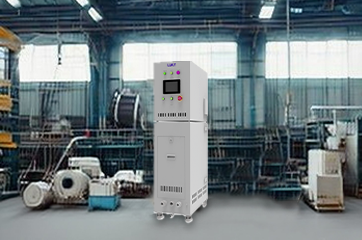
The Thermal Automated Control System, or TACS, integrates with the Control System at the fabrication facility, allowing operators to modify the temperature control setpoints during the exact exposure step of the process. Temperatures that exceed +0.1 or -0.1 degree Celsius may cause drift in the dimension of the mechanical components as well as drift with respect to the overlay, which can be particularly problematic for EUV lithography. TACS utilizes real-time data from the operational tools while managing the pressures in the various chambers, the chemistry of the resist, and the levels of radiation to anticipate and mitigate thermal alterations through the adjustment of coolant flow. The system conservatively cools while reducing the wear on the compressor, and maintains the desired temperature for photochemical reactions when active exposures occur.
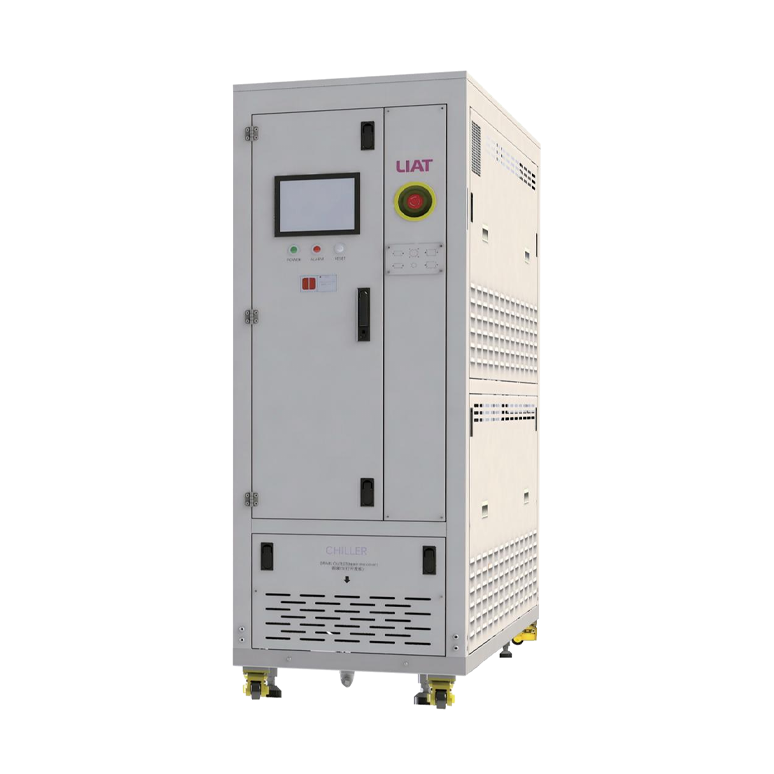
Based on our experience from real factory processes, such closed loop control systems improve wafer yield and reduce energy costs by 15 to 20 percent because they only cool what needs to be cooled. In addition, they manage random thermal fluctuations within the cleanroom environment so that the batch to batch consistency remains solid throughout production runs.
Predictive Adaptation: Optimizing Modular Semiconductor Chiller Performance Using Data Based Predictions and Closed-Loop Control
Load Forecasting Using AI Based On Historical Tool Dispatch Data And Chamber Cycle Data
AI has been able to achieve an average of almost 94% efficiency in predicting heat accumulation from tool dispatch data, and even 30 minutes in advance of lithography and etch tool heat triggering cycles. This allows operational engineers to reposition cooling resources before temperature fluctuations occur in circuit modules. The machine learning systems are able to optimize data collection from operational sensors to adjust cooling resource forecasts in real time. Optimized cooling has reduced unnecessary operation time of compressor systems by 22% with temperature control at less than +/- 0.1 degrees Celsius of set point.
Case Study: Adaptive Setpoint Tuning in a 300mm Fab Reduced Energy Use by 18% Without Compromising Process Yield
With an approximate annual savings of 3,200 hours of compressor runtime, this closed-loop system reduced annual runtime of the compressor by 3,200 hours and maintained defect density
Why is modular design important in semiconductor cooling systems?
Modular design allows for redundancy and means that individual circuits can be run at lower power levels, increasing energy savings and minimizing disruption to the production process.
How does the Thermal Automation Control System (TACS) work?
TACS uses data from an MES (Manufacturing Execution System) to enhance process temperature stability during a process by predictive control (real-time anticipation) of required cooling adjustments.
What is the impact of AI in semiconductor chiller systems?
AI enables predictive control for optimizing cooling and minimizes unnecessary compressor cycling and improves operational efficiency.
Table of Contents
- Intelligent Load Matching: The Role of Variable Capacity Control in Semiconductor Process Automation
- Adaptive Temperature Regulation: TACS Optimizes Temperature Setpoints on-the-fly
- Load Forecasting Using AI Based On Historical Tool Dispatch Data And Chamber Cycle Data
- Case Study: Adaptive Setpoint Tuning in a 300mm Fab Reduced Energy Use by 18% Without Compromising Process Yield