
 EN
EN
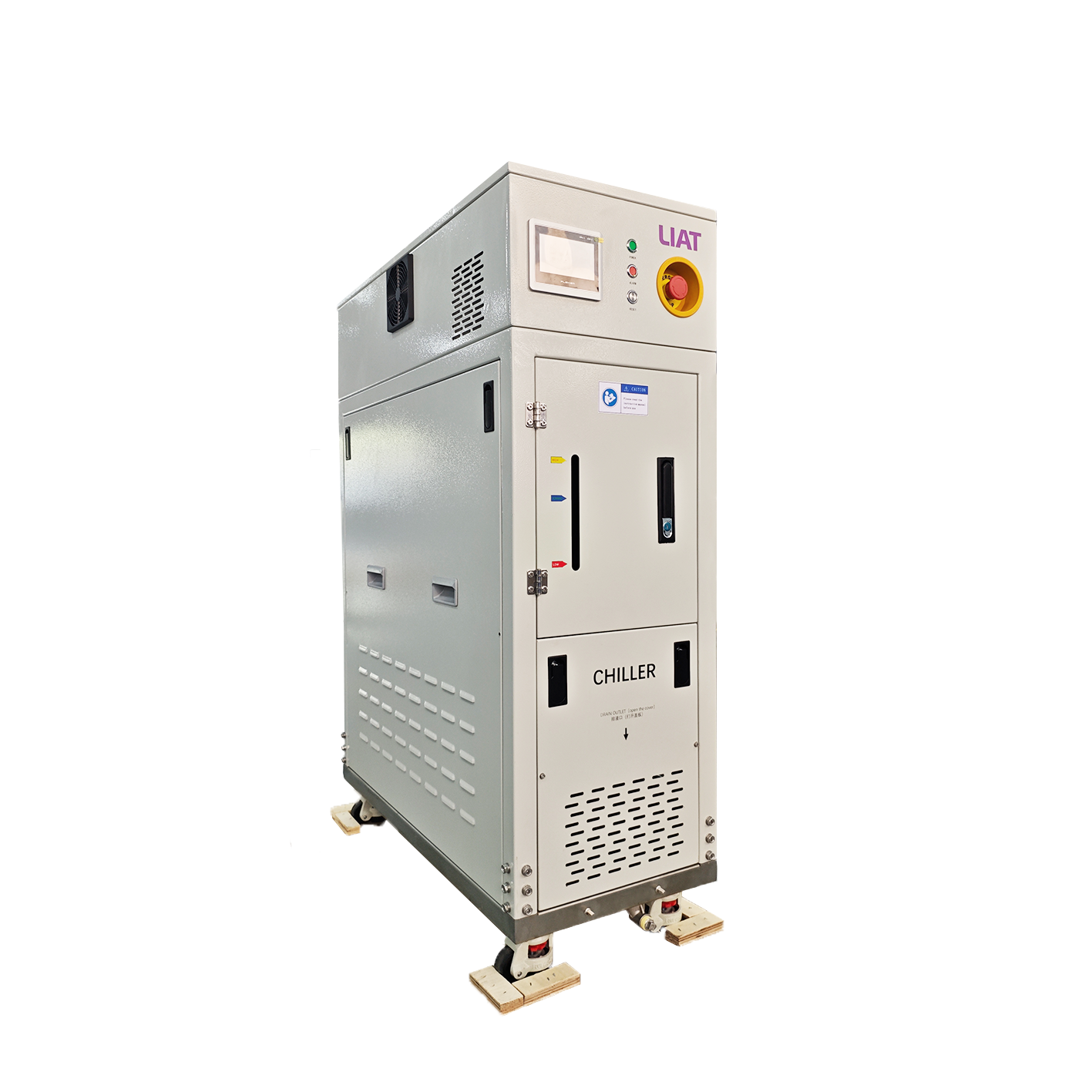
Precision Temperature Control for Dynamic Semiconductor Processing
Stability of Sub-0.02\u00b0C at Processing of Advanced Nodes < 5nm
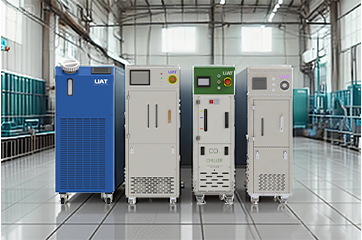
To prevent the occurrence of defects at the nanoscale, advanced sub-5nm semiconductor processing requires thermal stability of less than 0.02\u00b0C. The extreme ultraviolet (EUV) lithography and atomic layer deposition (ALD) process cause localized heating which, when uncontrolled, causes the wafers to warp and leads to defects and yield loss of over 40% to the critical layers. The semiconductor temperature chillers have been designed to address this with multi-stage refrigeration, milli-kelvin grade sensors and microchannel heat exchangers. This can provide uniform cooling over a 300mm wafer, whilst withstanding the extreme thermal transients (up to 100\u00b0C/sec) of plasma etch when chillers are used to relieve the thermally induced gradient stress fractures.
Predictive Thermal Control Algorithms with Real Time Sensor Feedback
Critical to this precise thermal control is the measurement of time with great accuracy. This includes embedded thermopile arrays with zone averages of less than 5mK at greater than 200Hz for over 200 measurement points. The input to control the thermal management system also includes synchronized adaptive control responses to thermal disturbance predictions for short time periods compared to conventional systems of less than 0.5 seconds (500ms) based on a combination of historical process data and other relevant environmental factors, data streams of humidity and gas flow of the process chamber. For example, the gas phase deposition chambers are cooled to above the exothermic reaction until the phase change occurs. The combined algorithms of embedded machine learning provide the energy use entailed during process control the least control and the most stable system with the least contributing overshoot, less upper and lower limit excursions.
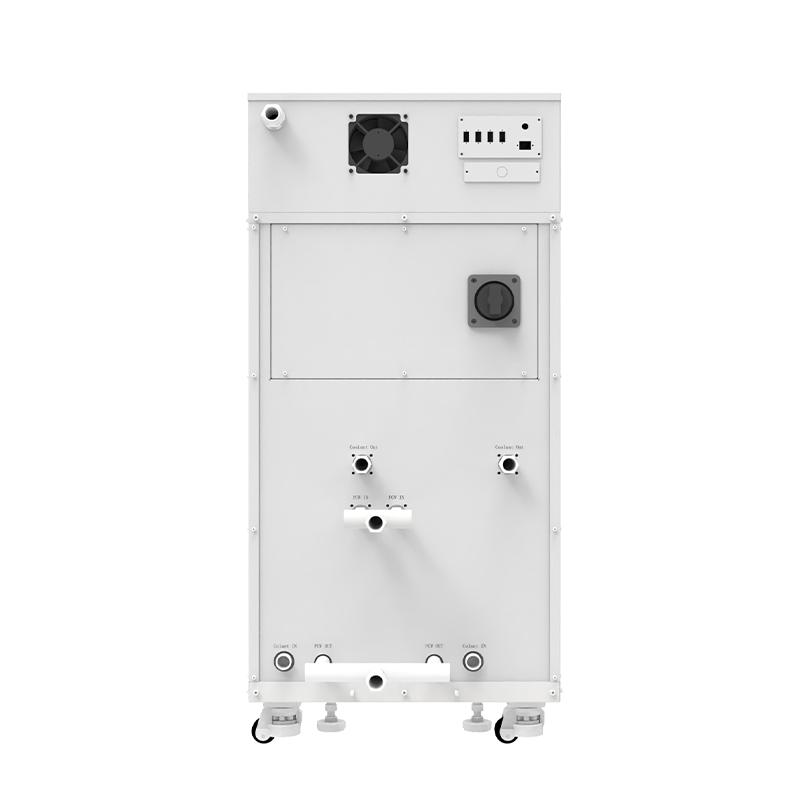
Thermal Management System Design in Semiconductor Equipment Cooling
Response Times of Less than 5 Seconds with Dual Channel Heat Exchangers and Variable Speed Compressors
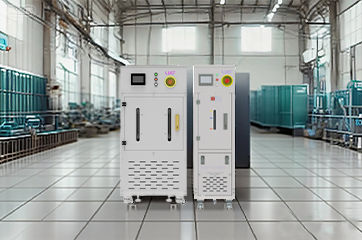
Variable speed technology has allowed for modulation of refrigerant flow in real time, which eliminates the cycling on and off of the compressors and, most importantly, has reduced temperature overshoot by 70% during process transitions. When combined with dual channel heat exchangers which have separate process fluid and refrigerant circuits these chillers can achieve temperature stability of ±0.1°C within 5 seconds after a load change. This load change responsiveness is critical for high rate, thermal lag sensitive processors such as etch and ALD reactors which can warp wafers and distort patterns. The design also prevents cross contamination while maintaining a heat transfer efficiency > 99.9% across the complete operating range: -80°C to 200°C.
Redundant and Modular Chiller Configurations for Resilience to Load Transients
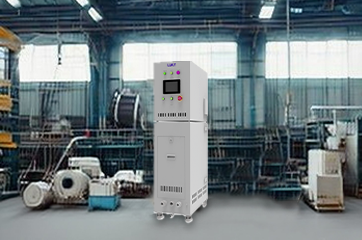
The N+1 compressor systems combined with a dual loop circulation design offer fail-safe thermal continuity during power fluctuations or process anomalies. Modular dual loop systems outperform traditional single loop systems which can take over 30 seconds to recover and allow for a ±2°C deviation. Our modular dual loop systems achieve response times less than 5 seconds with a temperature drift ≤±0.15°C, allowing the yield impact to be less than 1%. The design enables maintenance to be performed on the compressor modules without interrupting the process. Field data from Rapid Thermal Processing (RTP) facilities shows a reduction in thermal runaway incidents of 92%.
Adaptive Control Algorithms to Counter Ambient and Process Variability
Process cooling chillers in semiconductor fabs need to maintain a response at the nanometer level while varying ambient temperature conditions and continuously changing production loads. Adaptive control algorithms allow a combination of design and software control to maintain consistency within the natural variability of the temperature control process.
Live Thermal Data Driven Setpoint Optimization
Scanning thermal adaptive control systems (TACS) uses live data to adjust setpoints and humidity (±15% RH), air temperature, and process heat load variability (UV, etch, and deposition) disturbances. TACS has predictive thermal modeling, and can adjust responsive thermal deviations by 92% relative to systems operating lock and snap. The TACS predictive overshoot response, when transitioning and maintaining self-adjusting within the mandated (0.02%) temperature stability, aids in defect level performance and device yield stability (sub 5 nm level).
Power Disruption Fault Mode Resilience: During the Potential Power Disruption
Consistent cooling circuits and embedded phase-change materials provide the required thermal inertia to remain, after power loss and coolant flow interruption, for 8–12 seconds maximum sustained thermal balance within a system. This is essential to ensure photoresist layers remain free of premature crystallization and to ensure silicon substrates are free of microcracks during the required engagement of the backup systems. For manufacturing within the grid-unstable (non-agile grid) areas where voltage sags cause 37% of thermal runaway events within a semiconductor, chillers, system thermal inertia is necessary to ensure uninterrupted high-yield production.
Frequently Asked Questions
What is the temperature stability required for processes related to manufacturing semiconductors at sub-5nm nodes?
For processes concerning the manufacture of semiconductors at sub-5nm nodes, a thermal stability within the range of ±0.02°C is essential to eliminate nanoscale defects.
How do thermal transients during wafer fabrication chillers for the semiconductor industry?
Multi-stage refrigeration, milli-kelvin sensors, and microchannel heat exchangers are used in the semiconductor industry for wafer fabrication to ensure uniform cooling and eliminate transients during fabrication.
What significance does real-time sensing hold in the thermal management of semiconductor processes?
Real-time sensing holds immense significance as embedded sensors with thermopile arrays monitor differential thermal profiles, which is crucial in adaptive controller systems for predicting thermal load shifts and adjusting control response curves.
In what ways can adaptive hardware design be supported by integrating variable speed compressors?
Variable speed compressors have the ability to modulate the refrigerant flow in real time resulting in a 70% reduction in temperature overshoot during transitions, which is a key factor in the fabrication of semiconductors.
What features of a semiconductor chiller support stability in the event of a power or coolant interruption?
The combination of redundant cooling circuits and embedded phase change materials deliver thermal inertia during disruptions and sustain stable conditions long enough to allow for the activation of battery power.