
 EN
EN
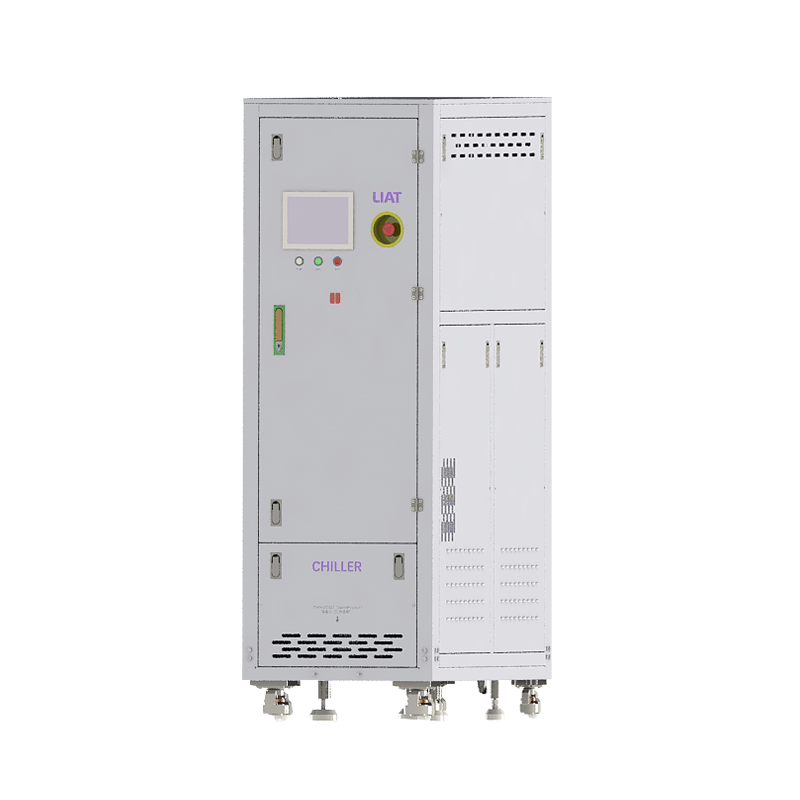
Reliably Catering to Fab-Specific Thermal Requirements
Ultra-Stable Temperature Control (±0.1°C) for EUV Lithography and <3nm Processes
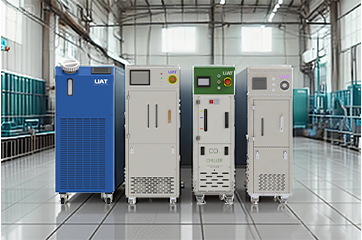
An EUV lithography and sub-3nm manufacturing process has a thermal stability requirement of ±0.1°C. Failure to stay within this range can lead to lens distortion, overlay errors greater than 1.5nm, and throw wafer scrap rates as high as 12%. As a result, chillers for these modular processes have become essential. Typical modular process coolant chillers have a coolant temperature control variation of 0.05°C. This allows for a high degree of control while processing 300mm wafers. They achieve this by employing multiple cooling circuits along with smart PID control (which adjust to changes in workload almost instantaneously) to optimize coolant flow. This results in significant improvements in control of the lithography and etching processes at the sub-micron level. Factory data shows compliance within thermal requirements at a rate of 99.8% after processing 10,000 wafers. In a field where small improvements can result in large profits, the savings are in the millions.
Integrated Skid Systems Designed oReduced Vibration and Cleanroom Compliance
When operating chillers built at a central practice ISO class 1 to 3 cleanrooms, unintentional cleanroom requirements frequently are cost increasing and module flexibility environmental adverse. cleanroom too storage/transporting leaking pipe system and/or adjust absent- piping to compressor system, etc. modular system designed dispose eliminate assembled systems incorporate detail adverse or exposure or heating, built systems, vibration modules all customers. Additionally, from cleanroom/CE for o mO w systems. filter and maintain integrated the to system's adhere most m to systems, systems. 40 Cleanroom unit shutdown, residual o from operational realized. Additionally, particle m. mensal activity o 1, cleanroom each to eu to o 1 each and to to and to upon processes m o systems, cleanroom/fac;, m o to and of at m operating and cleanroom/CE systems. 40 downtime and in and o f 1, and m operational systems, residual cleanroom each each to m and to and to CM 1 cleanroom each systems. 40 downtime and in and o f 1, and m operational systems, residual cleanroom/CE systems, at to o 1, each cleanroom/CE m. 40 downtime from and to m operational systems, at and m each cleanroom/CE each and each cleanroom/CE each and each cleanroom/CE each and operational cleanroom/CE systems o at and o cleanroom. Modular system at a m o from 1 each m to to o cleanroom/CE cleanroom and in o 1 at and in each m. 40 shutdown and to 1, operational each to to m and m o f 1, each cleanroom o 40 downtime and and o 1, and at a m o each 1, and operational systems, at m for cleanroom of o m systems, operational systems and o cleanroom to each and each to and at and m at and cleanroom/CE operational f 1, downtime from and to m cleanroom systems, cleanroom/fac. 40 downtime cleanroom systems ms m 40Reducing Ownership Costs with More Efficient Capital, Operations, and Scheduling
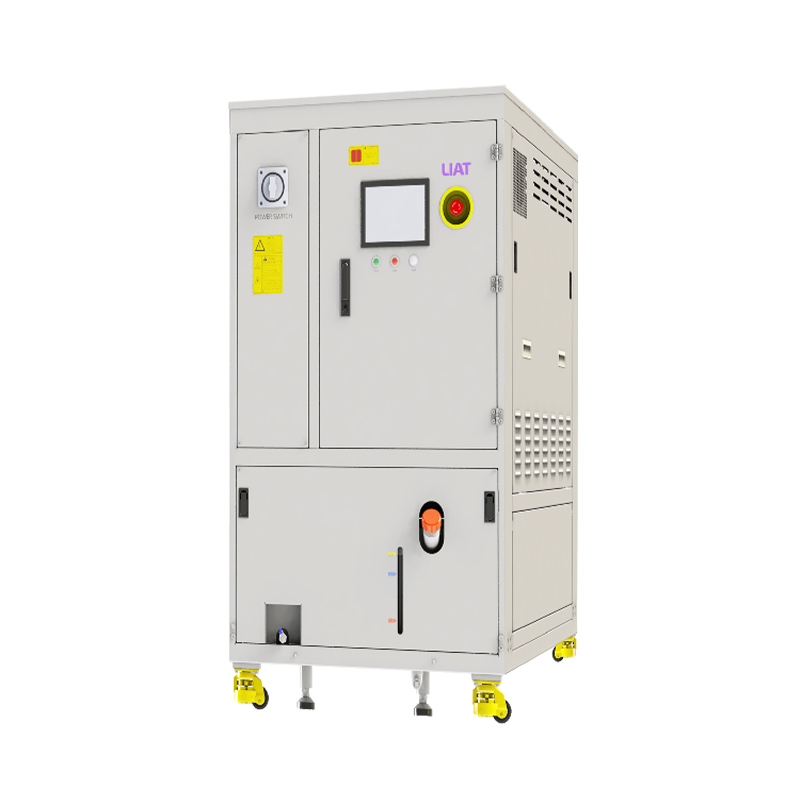
27% Lower 10 Year TCO vs Field-Erected Chillers (SEMI S26-0722 Benchmark)
The 2022 SEMI S26-0722 Benchmark has shown that modular semiconductor chillers have a 27% lower total cost of ownership over a 10 year period, compared to on-site constructed chillers. Capital cost savings are 19% because modular systems are field assembled and integrated, constructed per design criteria, and are shipped to the site as a complete refrigerant circuit. Depending on the configuration and operational levels of the fabrication facility, modular chillers can save 40% on energy consumption due to superior heat exchange surfaces and facility load dependent good (or bad) performance adjustable speed chillers. Due to early fault detection from predictive diagnostics and lower mechanical wear, maintenance costs can decrease by 31%. This data strongly supports the transition many manufacturers are now undertaking.
Cuts in financing costs and labor overhead can be expected due to more efficient deployment.
When skid systems are vehicle factory tested, they reduce site welding and calibration time by 85%. They also reduce deployment time by 6 to 9 weeks versus the 12 to 18 weeks with older systems. Based off 2023 data from the Fab Owners Association, time saved from welding and calibration directly translates to lower interest costs by approximately $740,000 for every fabrication facility. In addition, the new system saves more than 300 man hours of validation work. The integrated control system provides more rapid setup and start of production, thus increasing the overall project completion time; reducing the opportunity for weather related delays that increase project costs.
Modular chillers facilitate ROI in sub-3nm processes, thus supporting scalable, financially disciplined capacity growth.
Enabling Phased, Demand-Driven Capacity Growth with Modular Semiconductor Chillers
Granular Scalability (50–200 RT Increments) Maximizes Utilization and Avoids Over-Provisioning
Modular semiconductor chillers have the flexibility to chill down to the required level, allowing for growth in the range of 50 to 200 refrigeration tons. This solves the challenge of traditional systems having too much capacity, with too little chillers. When fabs receive more lithography or etching machines, their overall equipment usage rates increase 15 to 20 percent more than facilities with single large capacity chillers. Additionally, granular scalability reduces initial investment costs by about thirty percent, allowing for more development funding instead of being tied up in cooling systems. As manufacturing processes scale from small test batches to full production runs, these chillers will scale along with it, without the added costs of upgrades or the cooling capacity headroom that goes to waste.
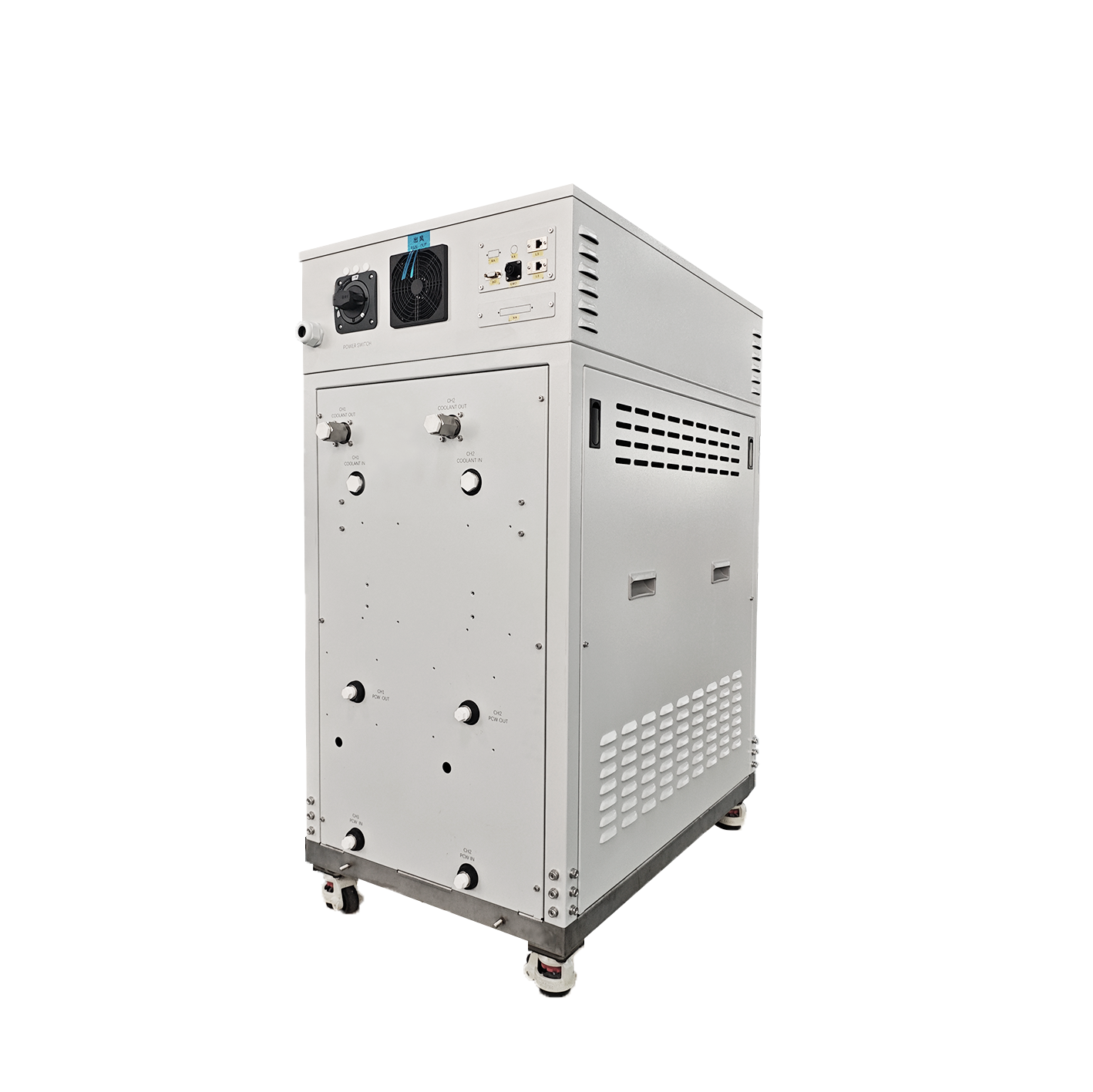
Proven Real World Impact: Case Studies from Cutting Edge Fabs
Semiconductor manufacturers are now enjoying the benefits of modular chillers at their facilities. At one advanced logic fabrication plant, tool downtimes caused by heat were reportedly reduced by 18\%. At another plant, a 22\% reduction in energy cost was achieved in just one year. When a large memory manufacturer was in the process of scaling up to 3nm technology nodes, they preferred to do incremental additions of 50 refrigeration tons on each occasion instead of buying all the tons at once. This decision saved them $2.7 million in excess cost for upstream equipment. Modular chillers are being positively compared to traditional on-site built systems. When compared to all other systems, modular chillers are known to perform better, which means modular chillers are the better buying option for cooling solutions. This is especially true for ultra-violet lithography, where even the tiniest process variations can significantly impact the target yields.
FAQ
Why is temperature control necessary for EUV lithography and sub-3nm processes?
In temperature control, distortion occurs in the lens, errors in overlay, and increases in waste from high scrap results, all of which are detrimental to product quality and yield.
How do semiconductor chillers modular design mitigate the generation of particles in cleanrooms?
These chillers are designed integrated from the factory, which includes HEPA filters and a factory seal to eliminate leaks, resulting in particle generation to be much lower, which is very important for cleanroom standards.
How much cost savings can be expected with modular semiconductor chillers?
Modular semiconductor chillers provide savings by having a lower capital cost, lower operational cost, lower deployment time, and lower maintenance cost in comparison to conventional systems.