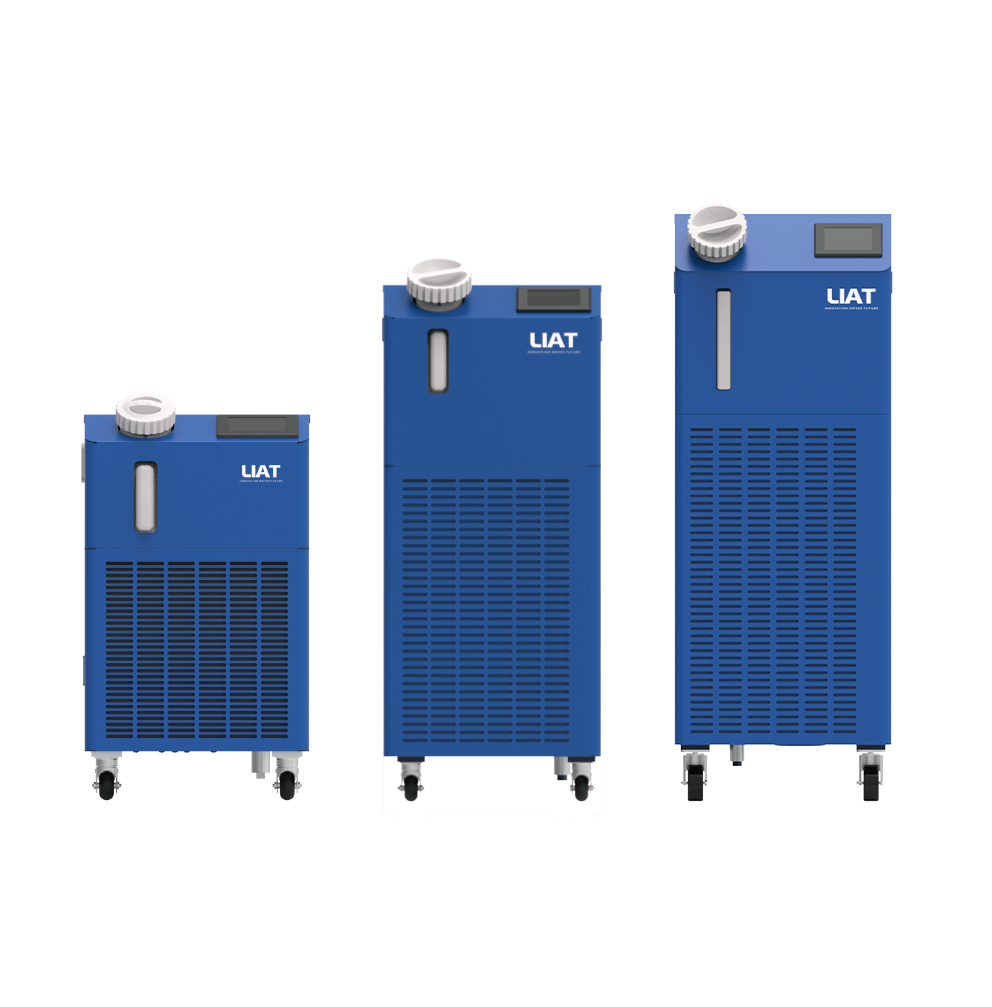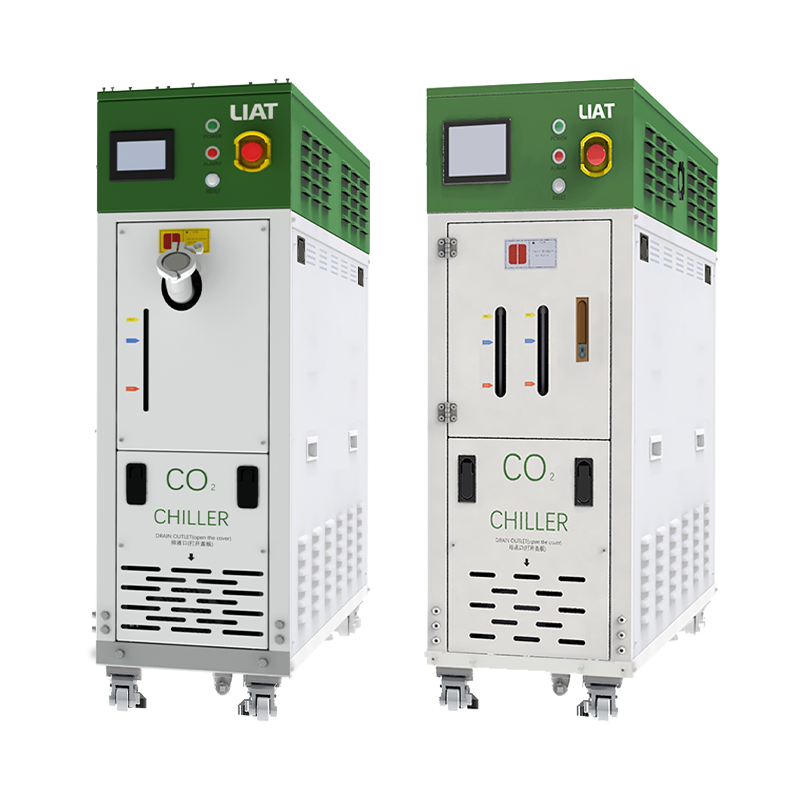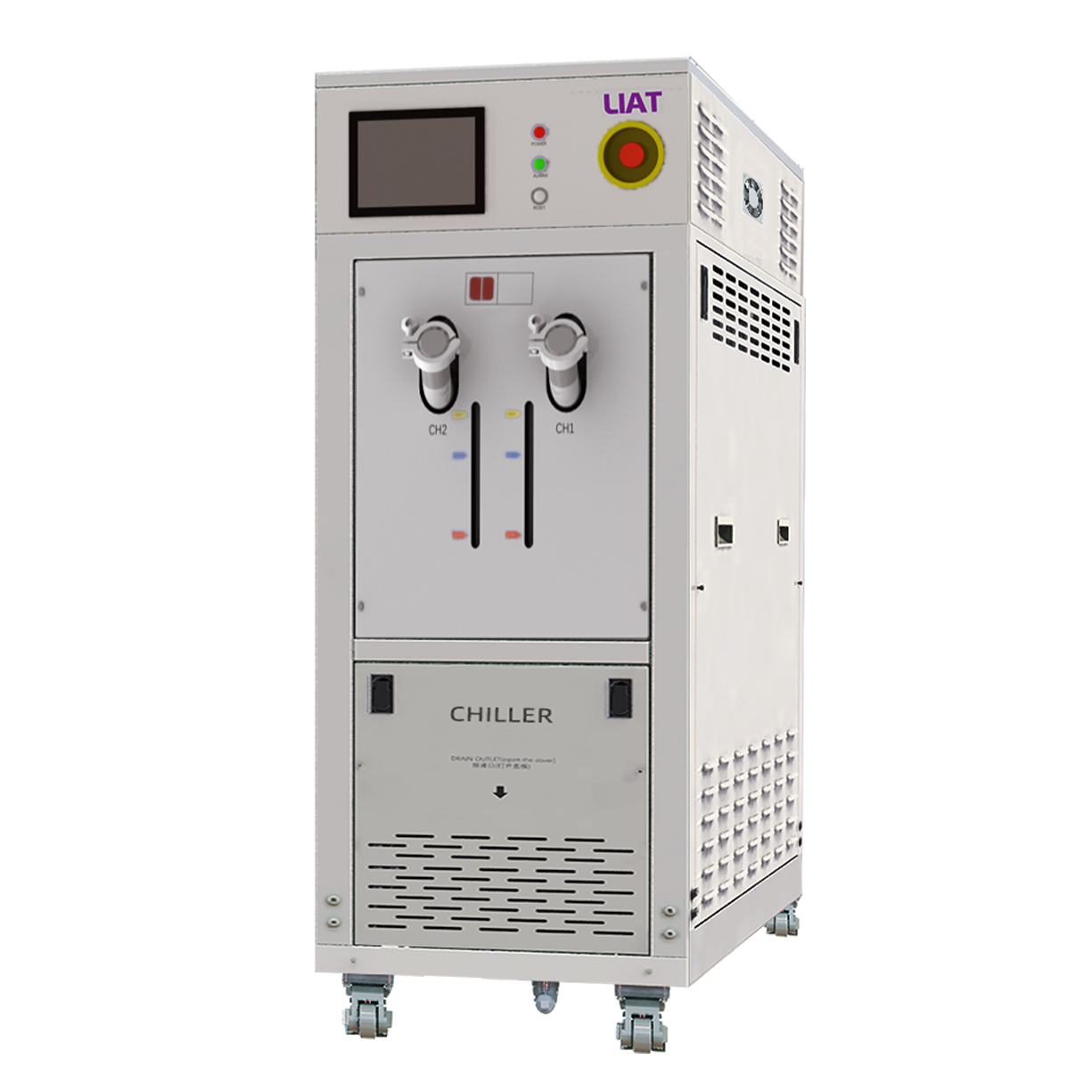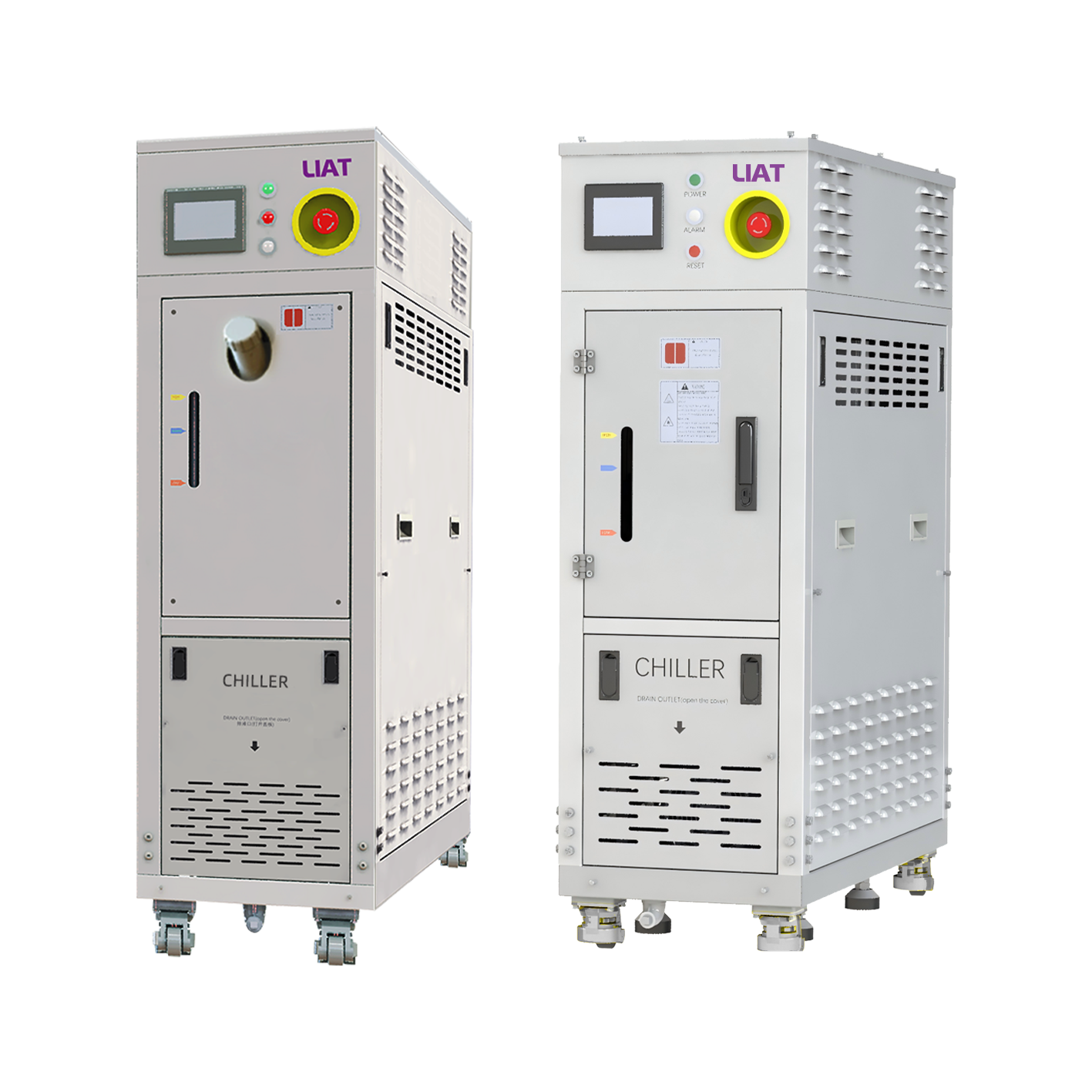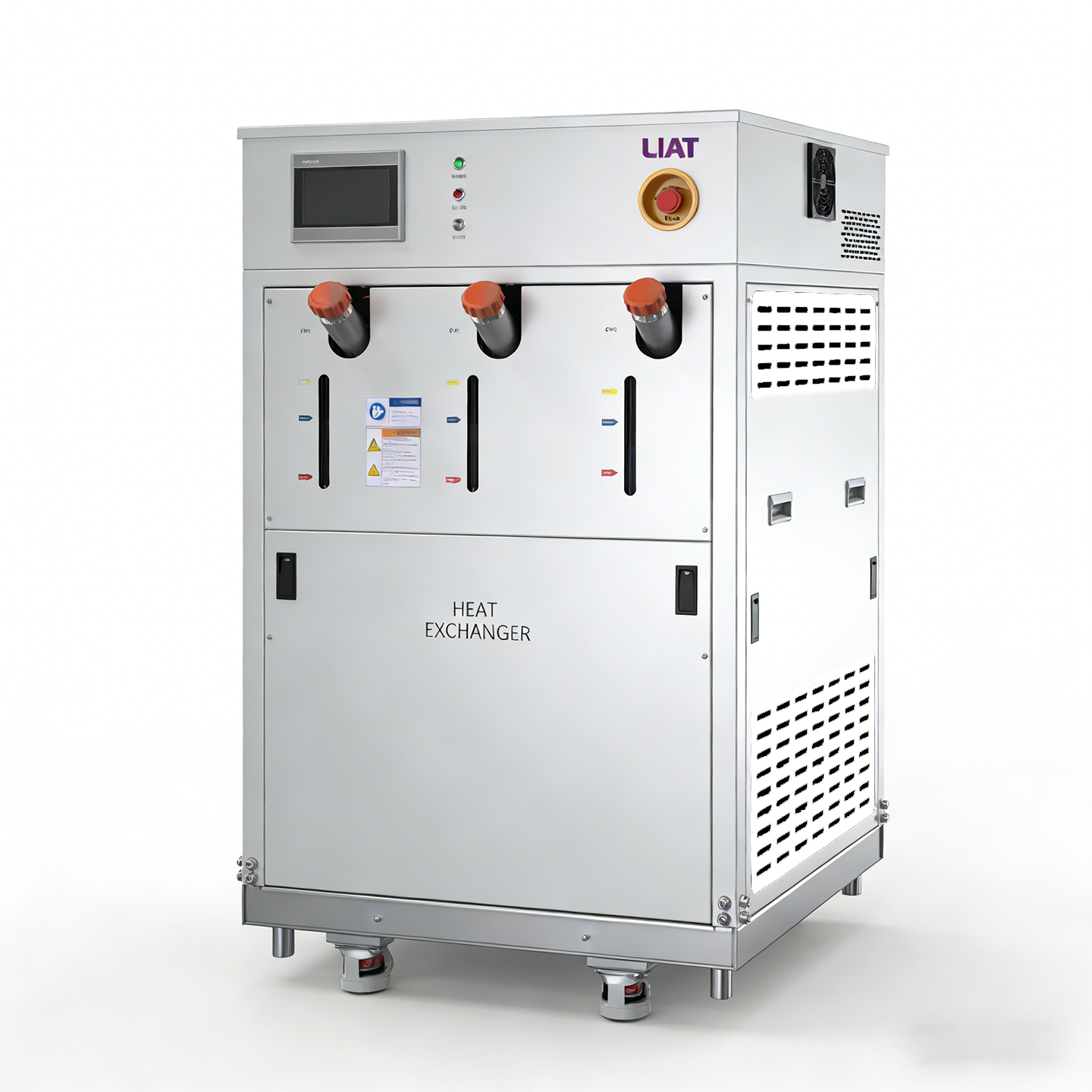
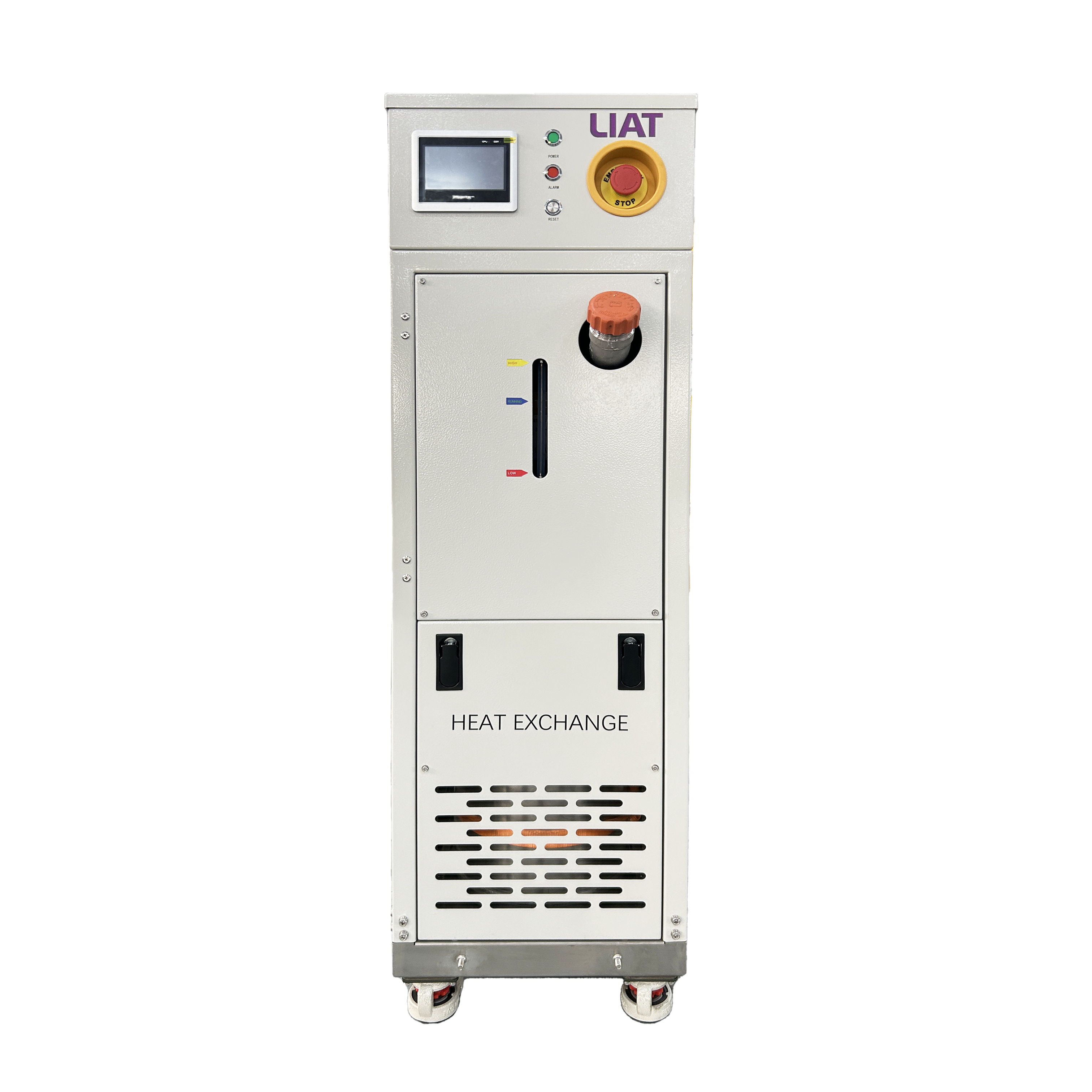
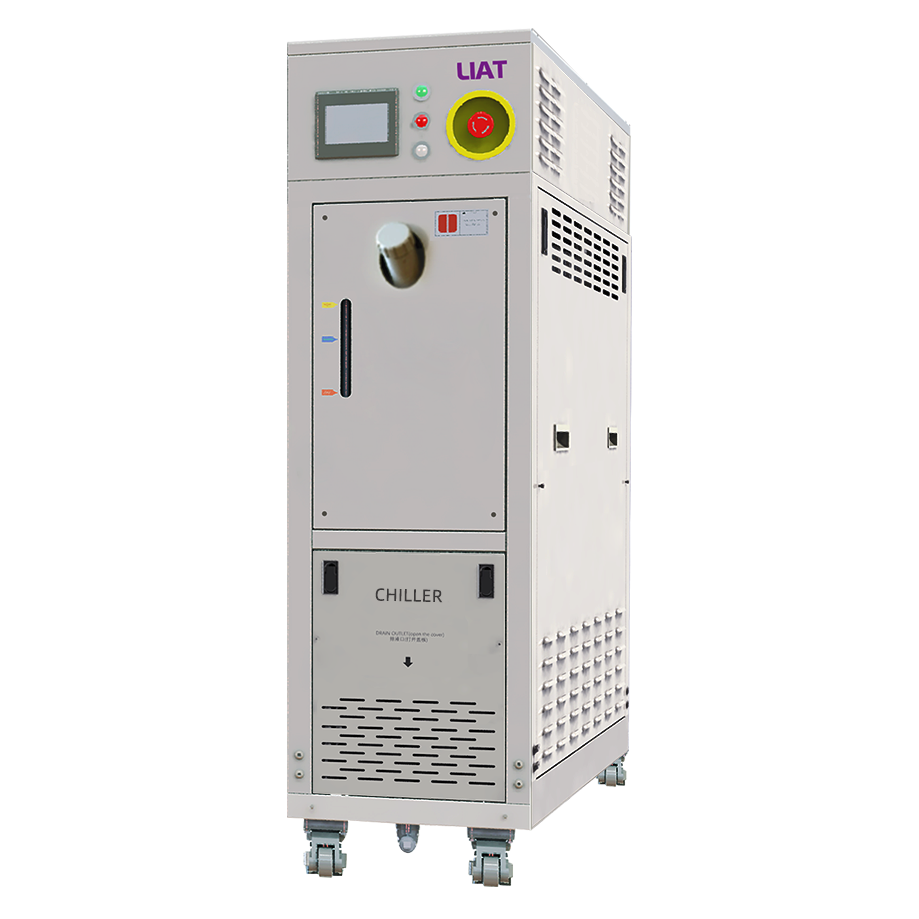
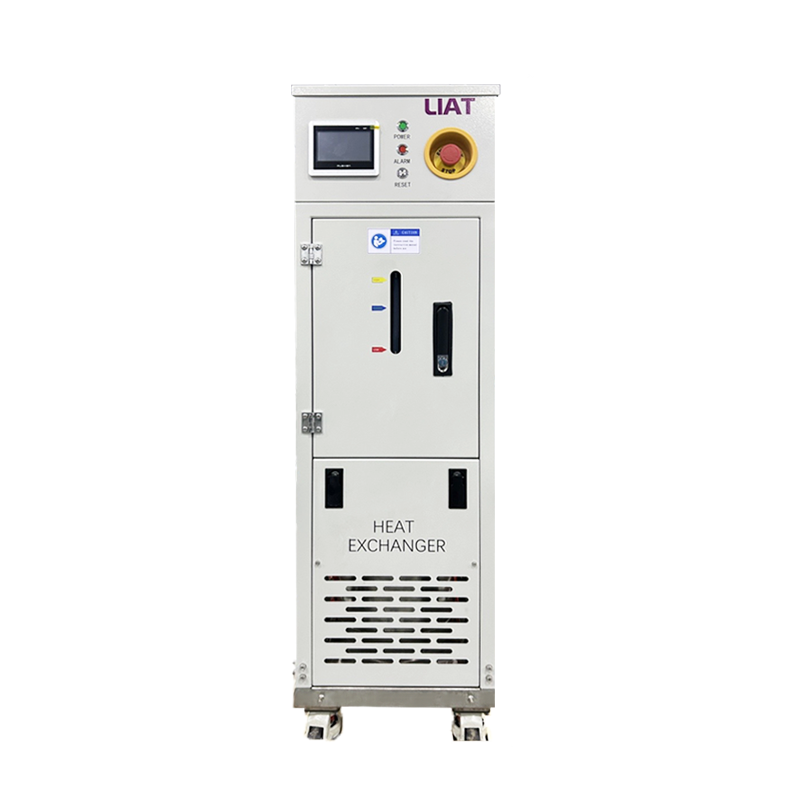
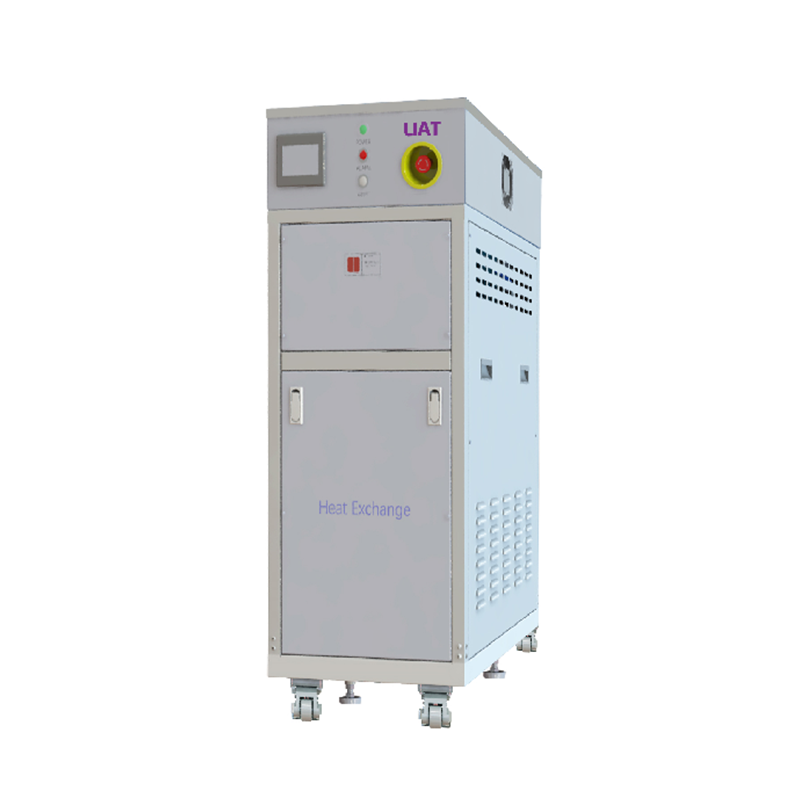
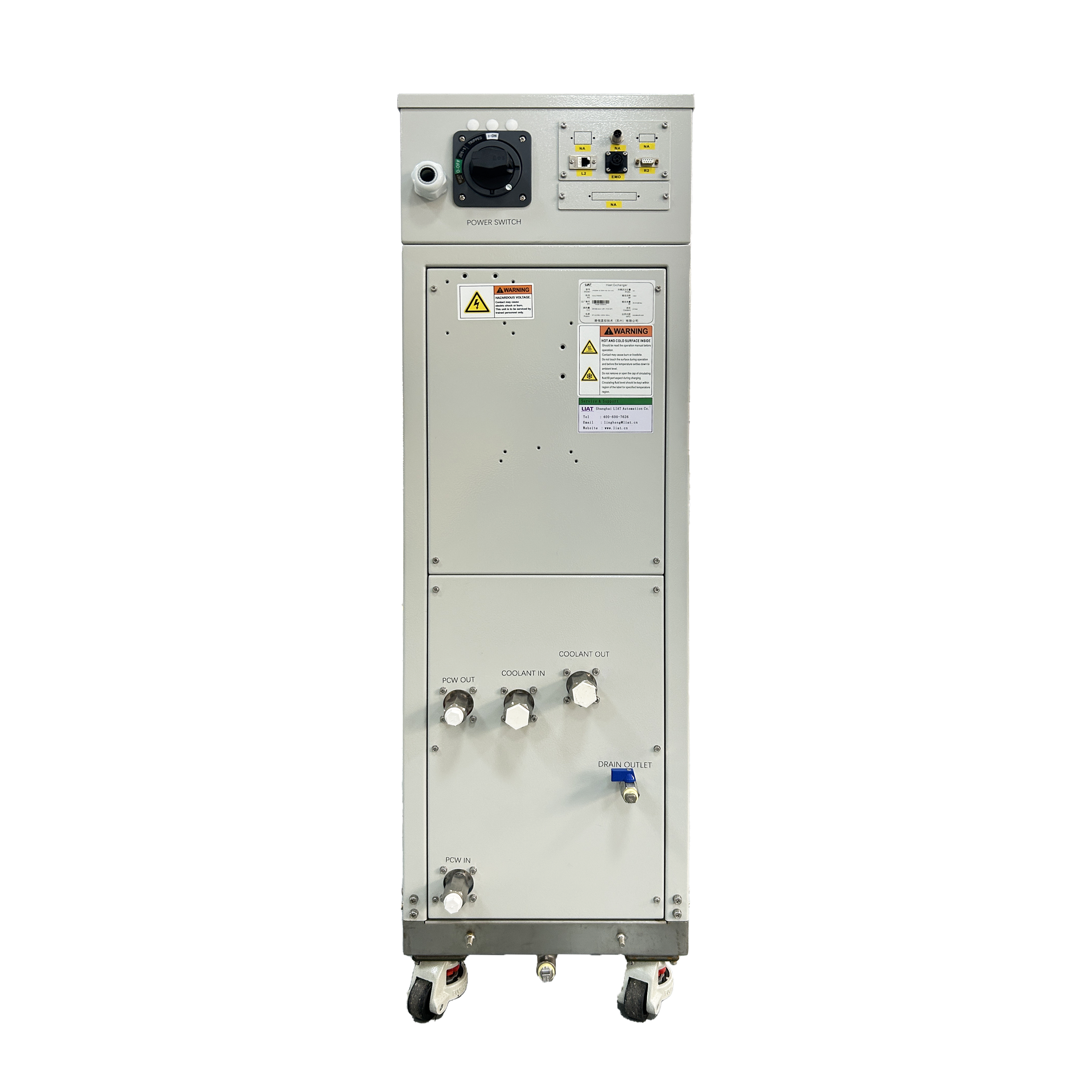
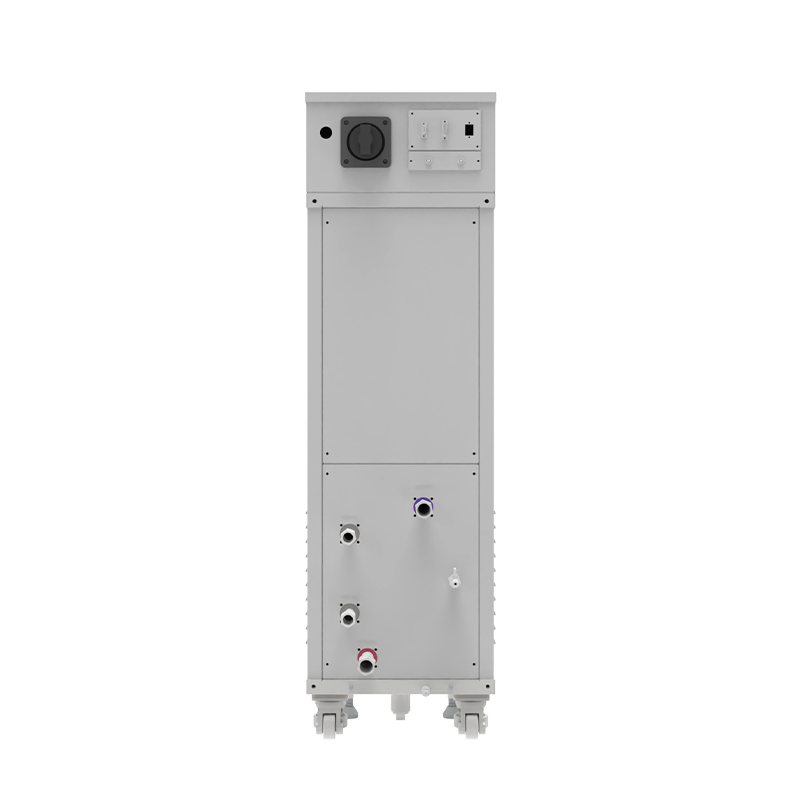
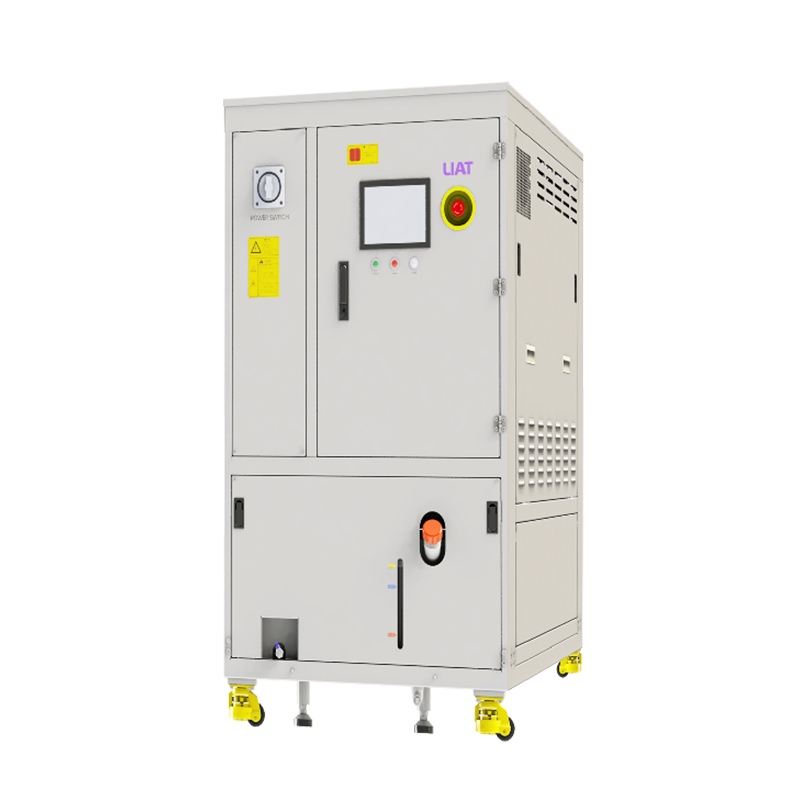
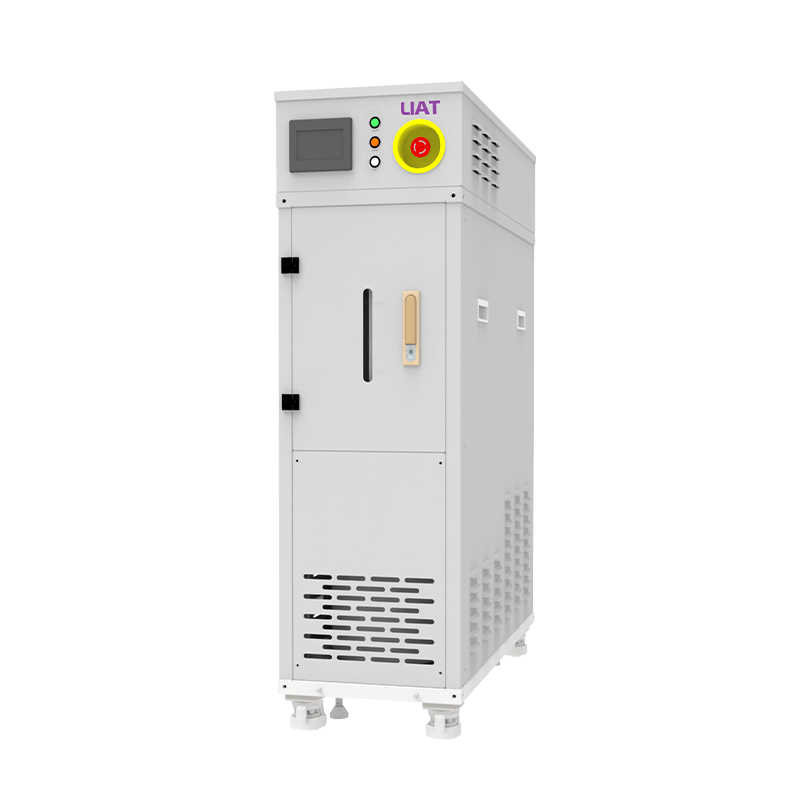
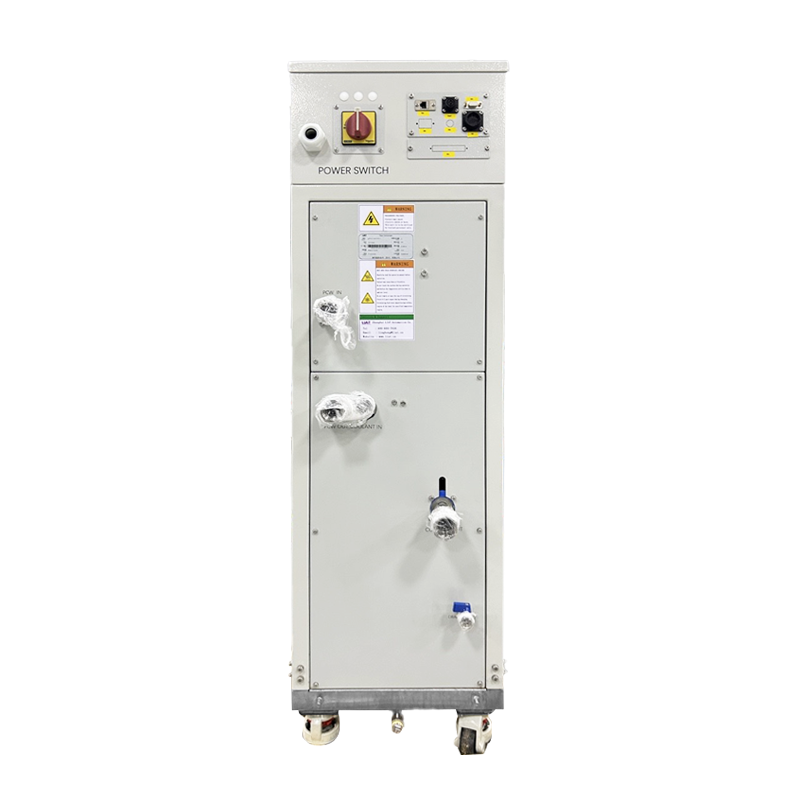
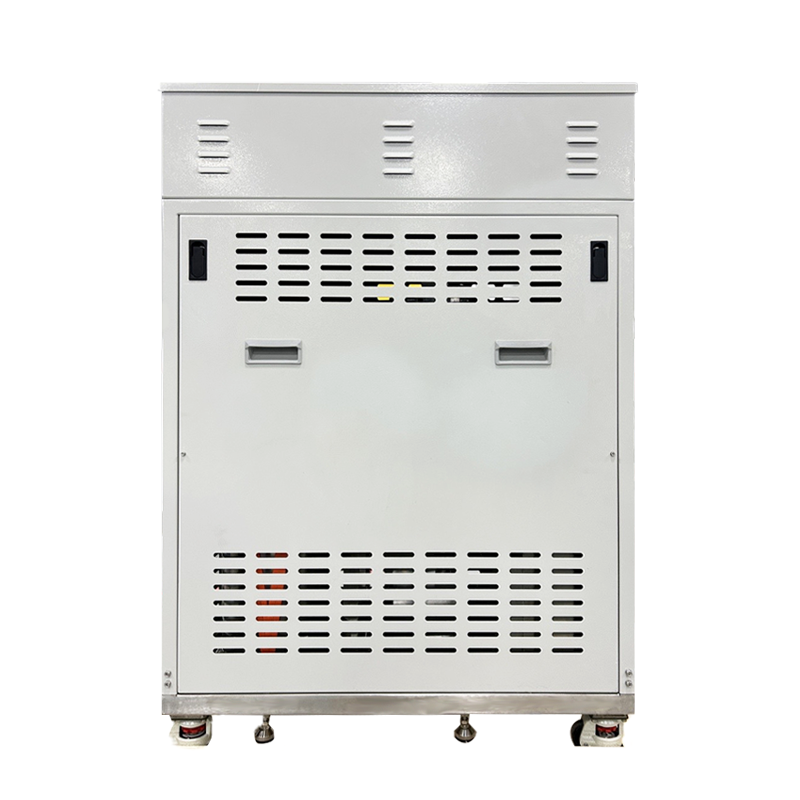
Single Channel Heat Exchangers
Temperature Stability: ±0.1℃
Temperature Range: 25℃~+200˚C
Heating Capacity: 8 KW-200KW
Advanced PLC control with PID algorithms achieves ±0.1℃ precision temperature regulation of process fluid. This system is deployed across critical thermal management scenarios:
Semiconductor manufacturing equipment
New energy testing platforms
Medical diagnostic devices
Industrial laser systems

- Overview
- Recommended Products
- 15+ Years of Industrial Thermal Management Experience
- Strict Factory Quality Inspection
- Fast Worldwide Delivery
01Why Choose LIAT Single Channel Heat Exchanger
|
High Heat Transfer Efficiency Optimized plate heat exchanger design provides fast and efficient thermal transfer while minimizing energy loss. |
Complete Cooling Loop Isolation Primary and secondary cooling circuits remain completely separated, preventing contamination and protecting valuable production equipment. |
Compact Industrial Design Space-saving modular construction allows quick integration into existing industrial cooling systems. |
Low Pressure Drop Optimized internal flow channels reduce pressure loss while maintaining excellent heat exchange performance. | Flexible Customization Support for customized heat transfer capacity, flow rate, connection type, controller, and communication protocol. |
Global Technical Support
Professional thermal engineers provide complete project consultation, commissioning guidance, and worldwide after-sales service. |
02 Powerful performance
Performance Highlights |
Technical Overview |
Performance Curves | Key Advantages |
|
• High Heat Transfer Efficiency • Stable Closed-loop Cooling • Equipment Isolation Protection • Low Pressure Loss • Compact Footprint • Easy System Integration • Energy-saving Operation • Easy Maintenance
|
• Single Independent Heat Exchange Circuit • High-efficiency Plate Heat Exchanger • Closed-loop Cooling System • Compact Industrial Design • PLC Intelligent Controller • Optional Temperature Monitoring • Air-cooled & Water-cooled Integration
|
|
|
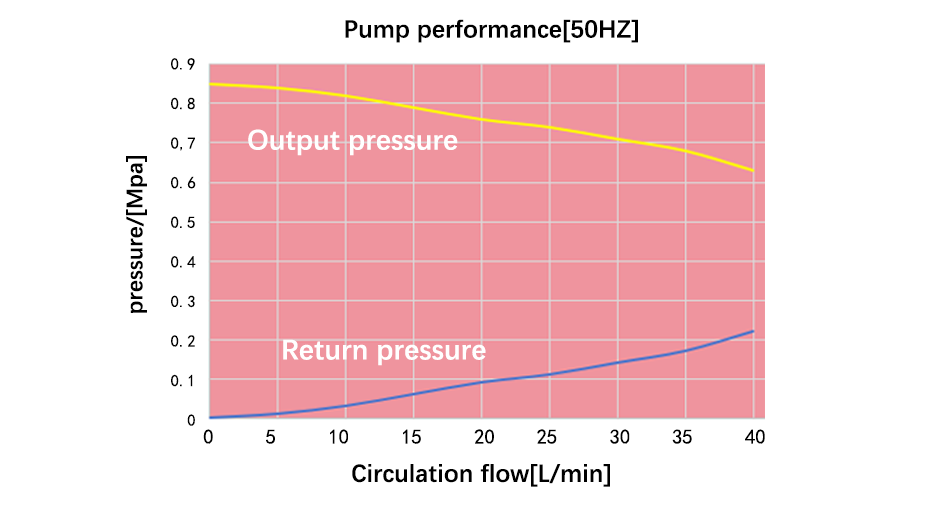
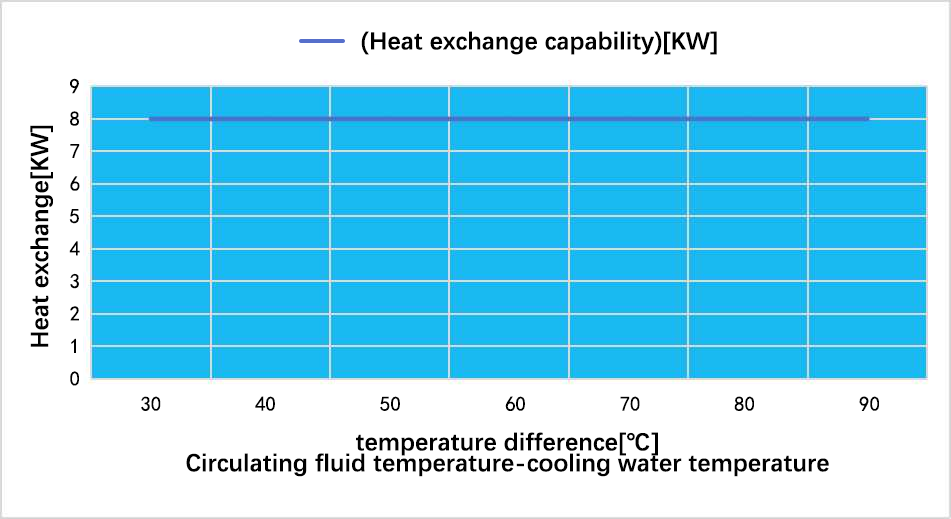
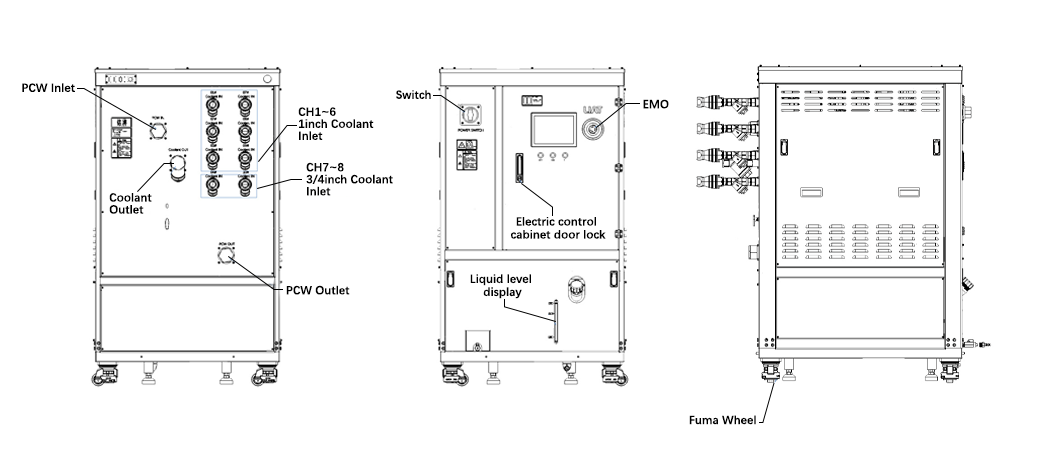
Structure Design |
Structure diagram |
Core Components |
Heat Exchange System |
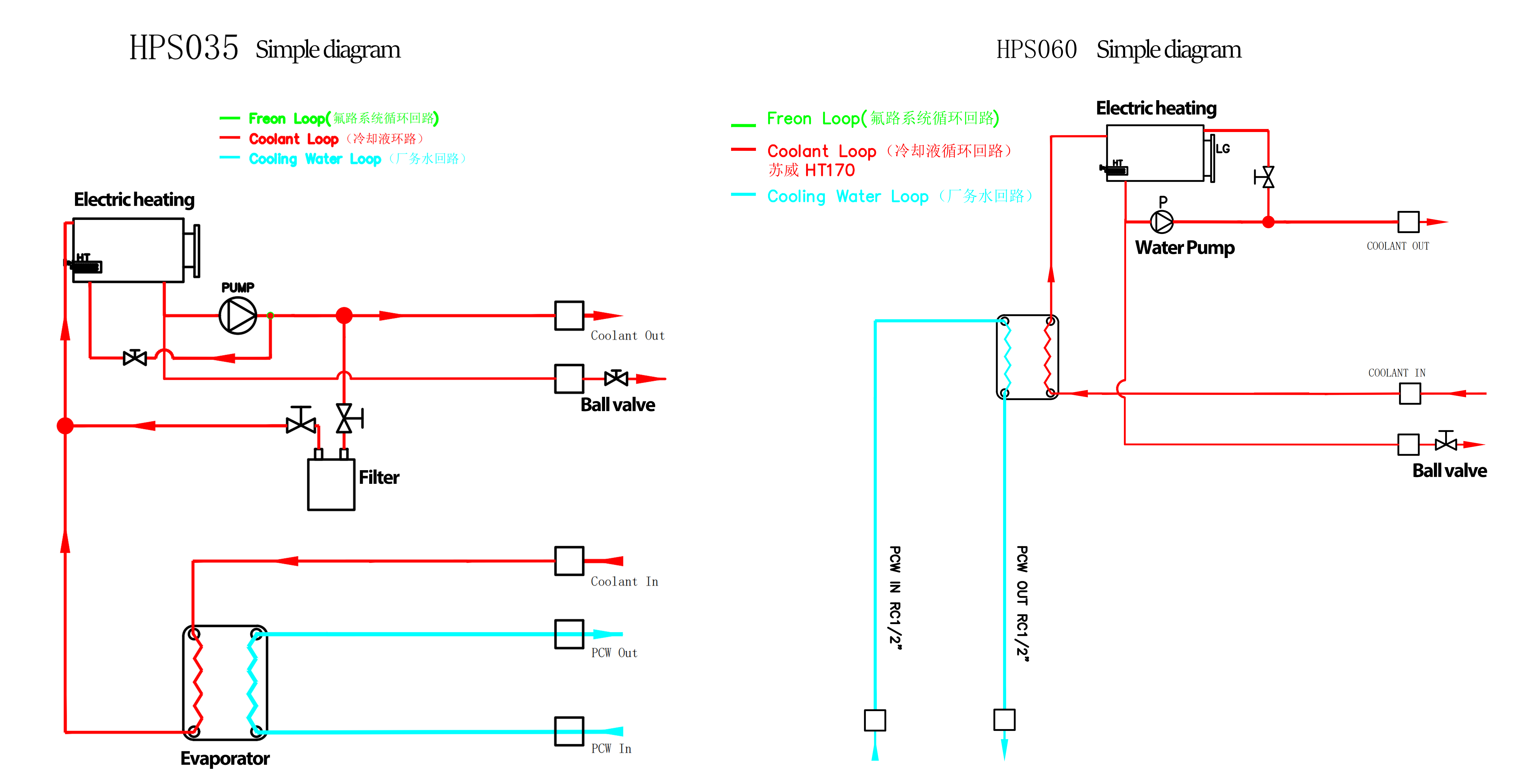
Working Principle |
|
• Compact Modular Cabinet • Industrial-grade Construction • Easy Installation • Front Maintenance Design • Flexible Pipe Connection |
|
• Brazed Plate Heat Exchanger • Circulating Pump • Flow Sensors • Temperature Sensors • Stainless Steel Pipeline • PLC Intelligent Controller 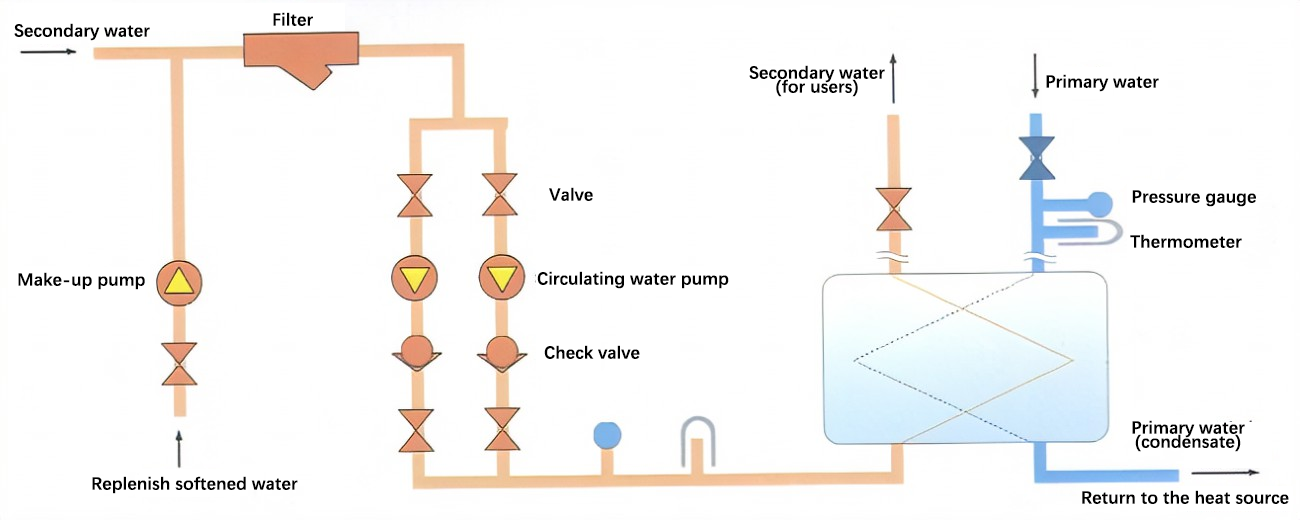
|
The liquid-to-liquid heat exchanger transfers thermal energy through high-efficiency plate technology while completely separating the two cooling circuits.
This minimizes contamination risk and improves overall cooling performance.
|
① Process liquid absorbs heat. ② Heated liquid enters the plate heat exchanger. ③ Cooling liquid removes heat. ④ Two liquids remain completely isolated. ⑤ Cooled process liquid returns to production equipment. |
03 Performance Description
LIAT Single Channel Heat Exchangers are engineered for efficient liquid-to-liquid heat transfer in industrial cooling systems.
Designed to isolate primary and secondary cooling circuits, the system improves cooling efficiency, protects valuable production equipment, and maintains stable operating temperatures.
With compact construction and high-performance heat exchangers, our systems are widely used in semiconductor manufacturing, laser equipment, battery production, industrial automation, laboratory equipment, and precision manufacturing applications.
04 Applications
 Semiconductor Equipment Semiconductor Equipment |
 Laser Processing Systems Laser Processing Systems |
|
|
|
|
|
|
|
|
 Battery Manufacturing
 Medical Equipment
 Laboratory Cooling
 CNC Machines
 Industrial Automation
05 Technical Details
Structure Design |
Core Components |
Heat Exchange System |
|
• Compact Modular Cabinet • Industrial-grade Construction • Easy Installation • Front Maintenance Design • Flexible Pipe Connection |
• Brazed Plate Heat Exchanger • Circulating Pump • Flow Sensors • Temperature Sensors • Stainless Steel Pipeline • PLC Intelligent Controller |
The liquid-to-liquid heat exchanger transfers thermal energy through high-efficiency plate technology while completely separating the two cooling circuits.
This minimizes contamination risk and improves overall cooling performance. |
06 Working Principle
① Process liquid absorbs heat.
② Heated liquid enters the plate heat exchanger.
③ Cooling liquid removes heat.
④ Two liquids remain completely isolated.
⑤ Cooled process liquid returns to production equipment.
07 Specifications
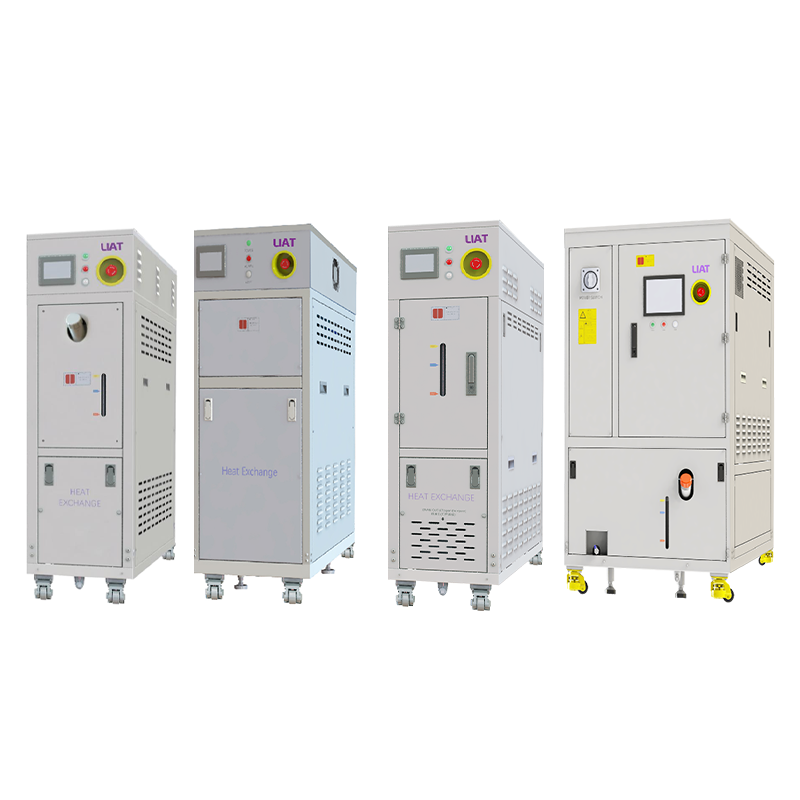
| HPS008/120/040/200M Product Parameters | ||||
| Product | Heat Exchange HPS008 | Heat Exchange HPS120 | Heat Exchange HPS040 | Heat Exchange HPS200M |
| Product model | HPS080-W-32W | HPS120-W-32F2 / W-32F3 | HPS040-W-32W | HPS200M-W-33 |
| Cooling method | Water Cooled Heat Exchange Type | Water-cooling | ||
| Control mode | PID Control | |||
| Temperature Control Range | +30℃~+80℃ | 30℃~140℃ / 30℃~200℃ | +30℃~+80℃ | +20℃~+50℃ |
| precision | ±0.1℃ | |||
| Heat exchange | 8kW | 12 KW@PCW+10˚C | 40 KW | 30℃@200KW |
| Power | 3 KW x 2 | 3 KW x 6=18 KW | 3 KW x 2 | / |
| Tank | 20L | 25 L | 340L | |
| Circulating liquid flow rate | 20L/min(0.65MPa) | 20L/[email protected] | 100 L/min | 160L/[email protected] |
| PCW traffic | 15L/min@15~25℃ | 80L/min@15~25℃ | / | |
| Temperature range | 5~35 ℃ | |||
| Types of circulating fluid | Ethylene glycol mixture, pure water/ DI Water | Fluorinated Liquid | Ethylene Glycol Mixture /DI Water | Ethylene glycol mixture, pure water |
| Circulating liquid interface | Rc3/4“ | Rc 3/4" * 4 | Liquid outlet2”Liquid inlet1”*6+3/4“*2 | |
| PCW interface | Rc 1/2” | Rc 1” | RC2” | |
| External dimensions(mm) | 380W*900D*1300H | 520W*780D*1300H | 900W*1000D*1600H | |
| Input power supply | 3Ph,208-220V,50Hz | 3Ph, 380V,50Hz | ||
| Whole machine power | 7.6kW | 7~20 KW | 11 KW | 2.2 KW |
| Net weight | 180kg | 200 kg | 230 kg | 440 kg |
| Design standards | SEMI | |||
08 Why Choose LIAT
 |
 |
 |
 |
 |
 |
09 Frequently Asked Questions
 What is a Single Channel Heat Exchanger?
A Single Channel Heat Exchanger transfers heat between two isolated liquid circuits without mixing the fluids, providing efficient cooling while protecting industrial equipment.
 What industries commonly use this product?
Semiconductor manufacturing, laser processing, laboratories, medical equipment, battery production, industrial automation, and chemical processing.
 Why use a heat exchanger instead of direct cooling?
Heat exchangers isolate the cooling circuit, reduce contamination risks, improve system reliability, and simplify maintenance.
 Can the system be customized?
Yes. Heat transfer capacity, flow rate, materials, controller, communication protocol, and piping layout can all be customized.
 What materials are available?
Stainless steel, brazed plate, and corrosion-resistant materials are available depending on the application.
 How can I request a quotation?
Send us your cooling medium, flow rate, inlet/outlet temperatures, and application details. Our engineers will recommend the most suitable solution within 24 hours.