What Makes a Plate Type Dual Channel Exchanger Efficient
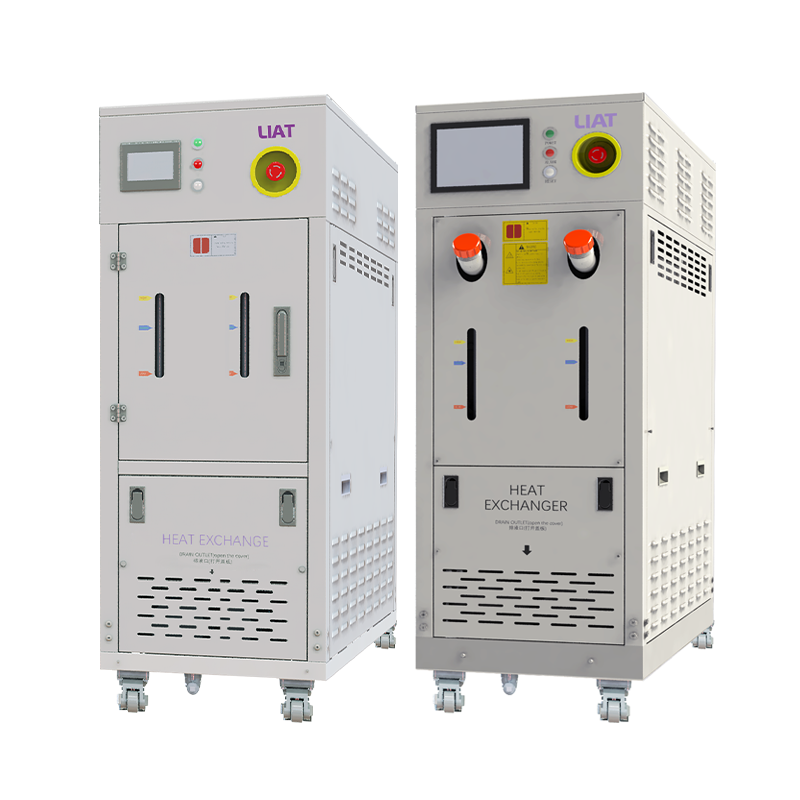
The Dual Channel Plate Type Heat Exchanger is an exceptional construction in the heat transfer equipment line. They are the best design in the field when compared with heat transfer equipment design with shell and tube heat exchangers. These Heat Exchangers consist of the following parts; Corrugated plates with herringbone or inclined pattern design, sealing gaskets, fixed pressure plates and movable pressure plates. It is the corrugated plates that enhance the efficiency and design of the heat exchanger. They are used in the construction of the independent flow channels that are used for alternating hot and cold media, and with the design of the dual channels, the fluid is allowed to flow backward once in the plates and once again flows in two parallel channels. This is the outstanding design that streamlines the structure and fosters efficient heat transfer. This design works best in the exchanger for chemex (chemical engineering) and food processing engineering in terms of performance efficiency, less space occupation and reliable performance, thus is the most preferred design in the industries. Detailed engineering construction design and work can be accessed in the following website wwwliatemcom.
How Dual Flow Path Improves Heat Transfer Efficiency
The biggest benefit of this type of heat exchanger is that there is more than one flow path for working fluids. This is way more efficient than heat exchangers that have one flow channel. This type of heat exchanger is able to lengthen the flow path for the fluids, increasing the fluid’s contact time with the heat transfer surface. This makes it more efficient at transferring heat from the hot fluid to the cold fluid, preventing energy loss. This type of heat exchanger is able to have more uniform flow as well, eliminating turbulent areas that would just waste energy. The heat transfer rate of plate type dual channel exchangers is well over 3000-6000 W/m2-°C. That is way higher than other heat exchangers. Also, when the delta-T is 20°C or more, it's heat transfer performance is unmatched.
The Impact of Material Selection on Efficiency
The efficiency of a dual channel heat exchanger is largely dependent on the materials used. Equipment with high performance materials is more durable and achieves better heat transfer. The plates of a dual channel heat exchanger typically consist of AISI 304 stainless steel, AISI 316L stainless steel, and titanium alloy. Each of these materials has the ability to maintain stable heat transfer in extreme conditions as a result of their thermal conductivity and corrosion resistance. For instance, AISI stainless steel is used in the food and pharmaceutical industries due to their high sanitary requirements, while titanium alloy plates are used in highly corrosive chemical industries. The dual channel heat exchangers also use EPDM rubber and PTFE externally coated gaskets that eliminate medium leakage and maintain the channels in the flow tight. The dual channel heat exchanger has an improved efficiency and reliability due to optimal material combinations.
Benefits of Compact Structuring and Space Saving
Aside from having high efficiency heat transfer, the dual channel heat exchangers have a compact structure which helps improves the efficiency of productivity for companies. For the same heat transfer area a plate type dual channel heat exchanger is 1/3 the volume of a conventional shell and tube heat exchanger. This helps significantly save installation space. This is especially true for where space is limited such as marine equipment and modular units. Companies do not have to extend the area of the plant to accommodate the heat exchanger which reduces the cost of infrastructure. In addition, the compact structure of plate type dual channel heat exchangers makes it easier to arrange the other equipment. This improves the production process layout. For small to medium businesses with limited production space, plate type dual channel heat exchangers are the best heat transfer equipment as they can provide high heat transfer efficiency and optimal space utilization.
How Easy Maintenance Results in Efficiency Gains
The dual plate exchangers work with optimal efficiency in large part due to how easy they are to maintain. Unlike some heat exchangers, dual plate exchangers have a field removable design. This allows personnel to easily clean and replace worn serviceable items. During maintenance, down time is further reduced since the removable pressure plates permit easy access to the plates and gaskets for cleaning and replacement. Fast and easy replacement of the sealing gaskets also prolongs serviceable life of the equipment. Regular maintenance scheduling allows for the flow channels in the dual plate exchangers to be kept clean and heat transfer efficiency losses due to fouling to be avoided. Production minimizing losses due to equipment failure inefficiencies, and enterprises maintaining their efficiency can be easily avoid simply making maintenance less time consuming.
Application Scenarios: Verifying Efficiency in Practice
In many different industries, the effectiveness of the plate type dual channel exchanger has been proven. In the chemical industry, the plate type dual channel exchanger assists in the heat exchange of different chemical mediums, allowing for the efficient use of energy and minimized production costs. In the HVAC industry, the exchanger assists in the heating and cooling of buildings, providing an energy-efficient and comfortable environment. In the food and pharmaceutical industries, the plate type dual channel exchanger with notable hygiene performance efficiently heats materials with heat transfer meeting required standards, thus, reducing processing time and improving product quality. The effectiveness and stability of these devices are further proven by their extensive use in diverse industries. If you're interested in the plate type dual channel exchanger in your industry, visit our homepage for more.
 Hot News