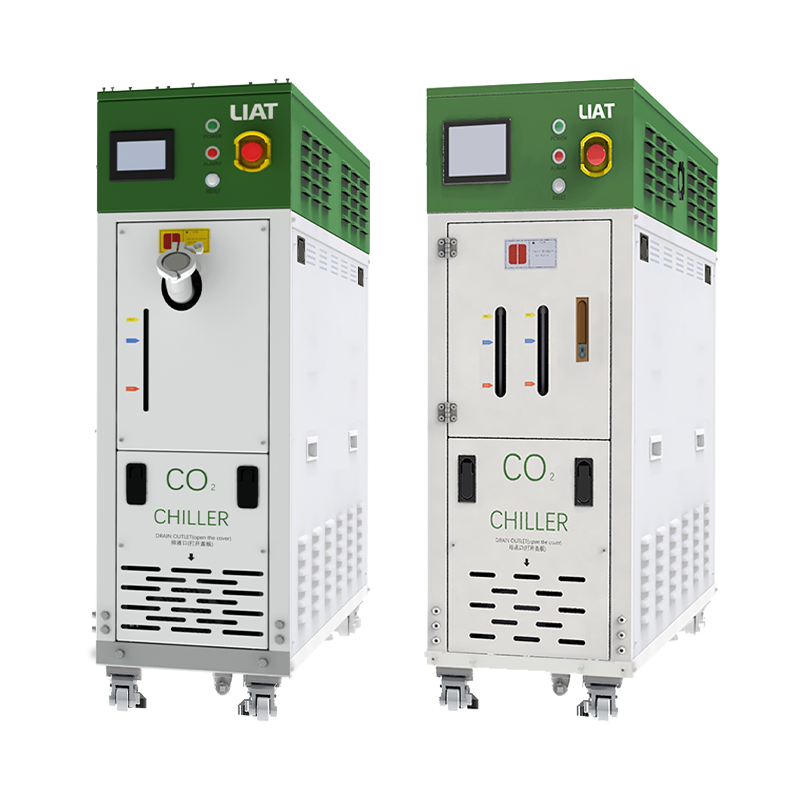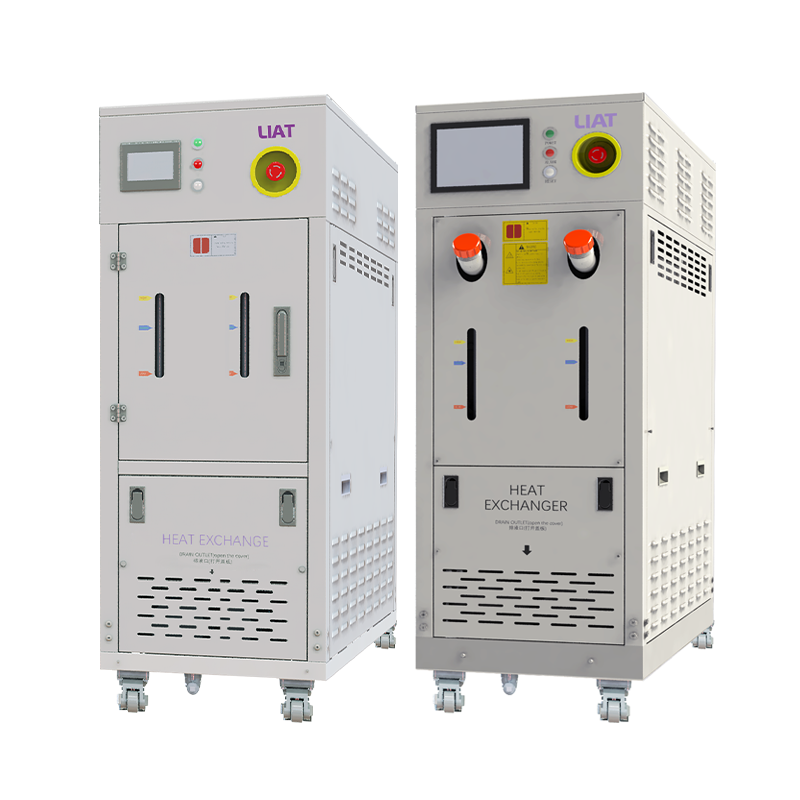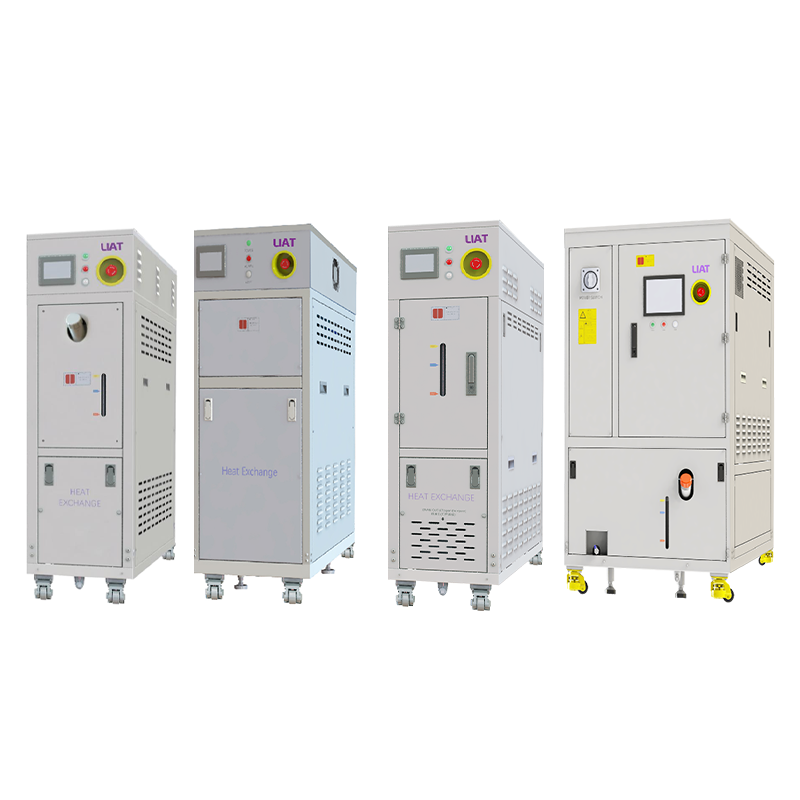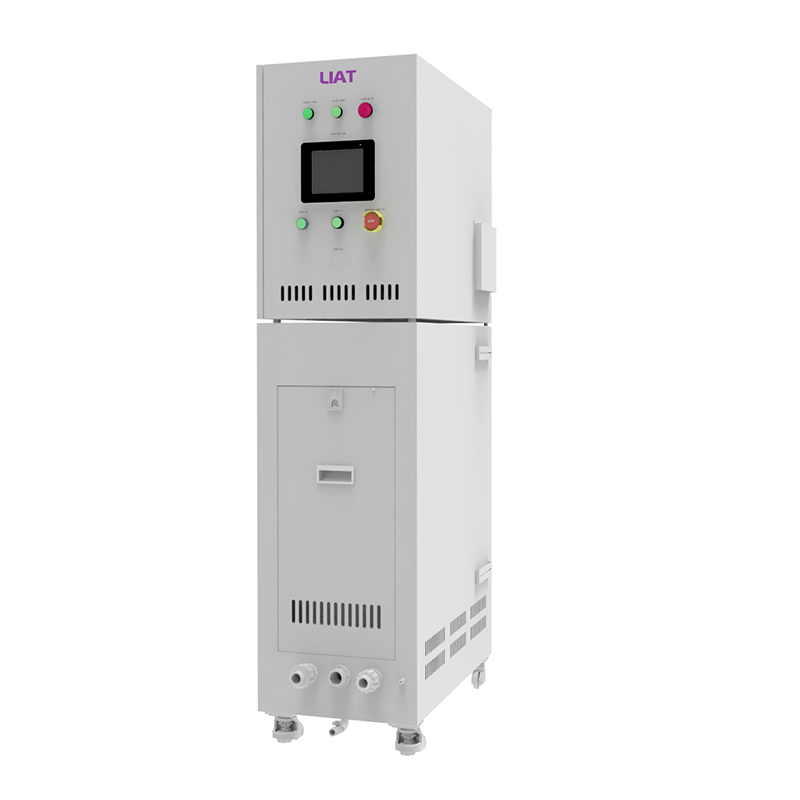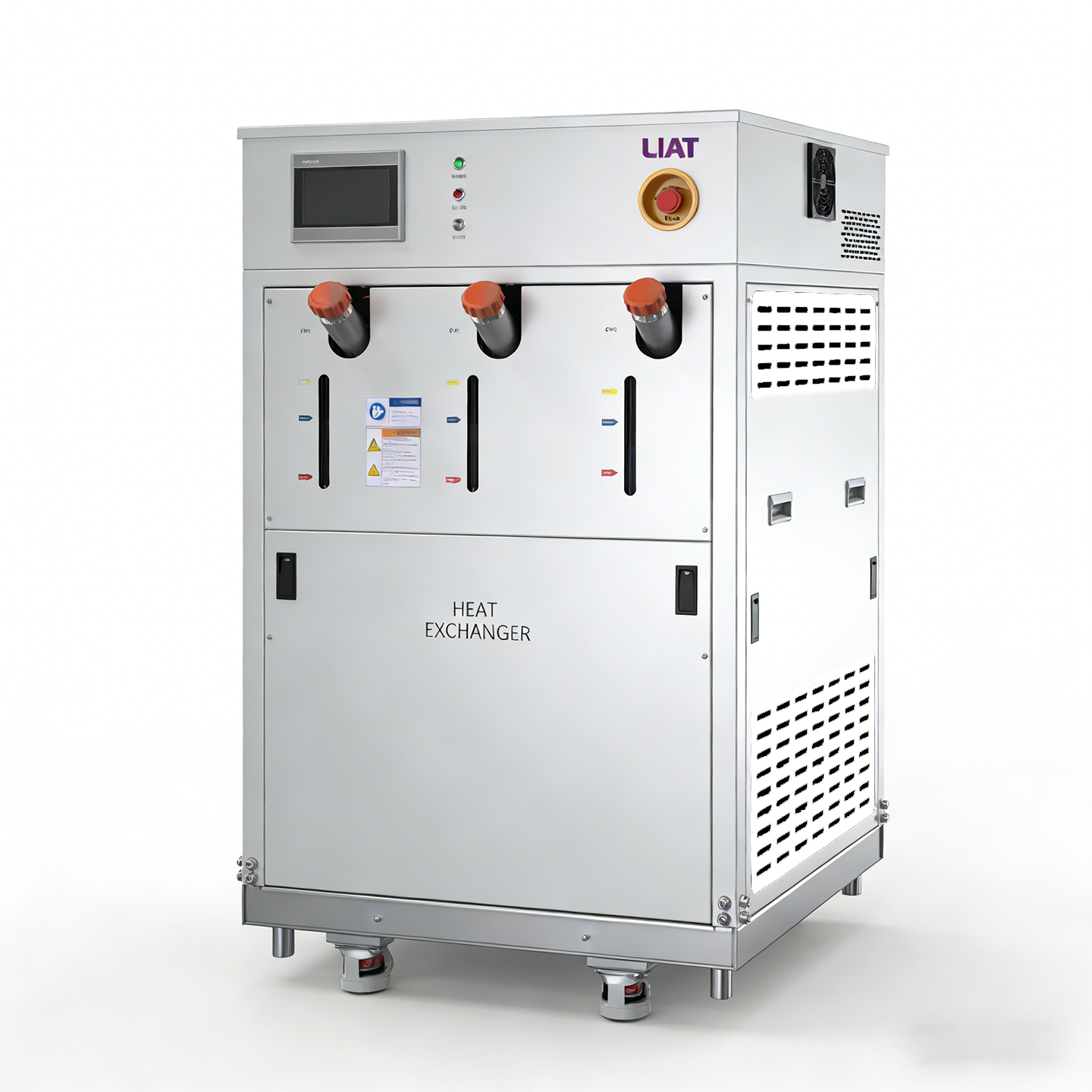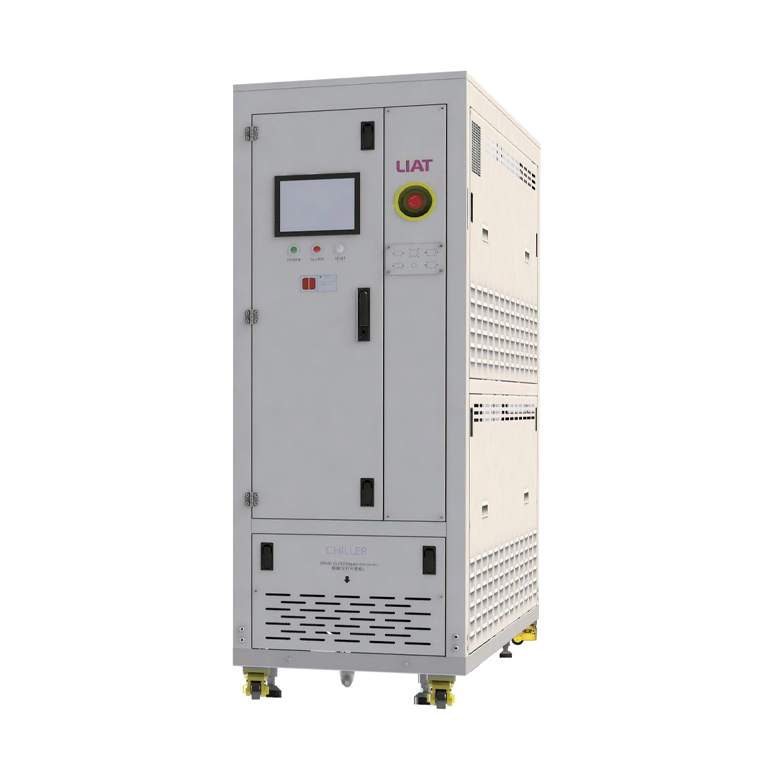
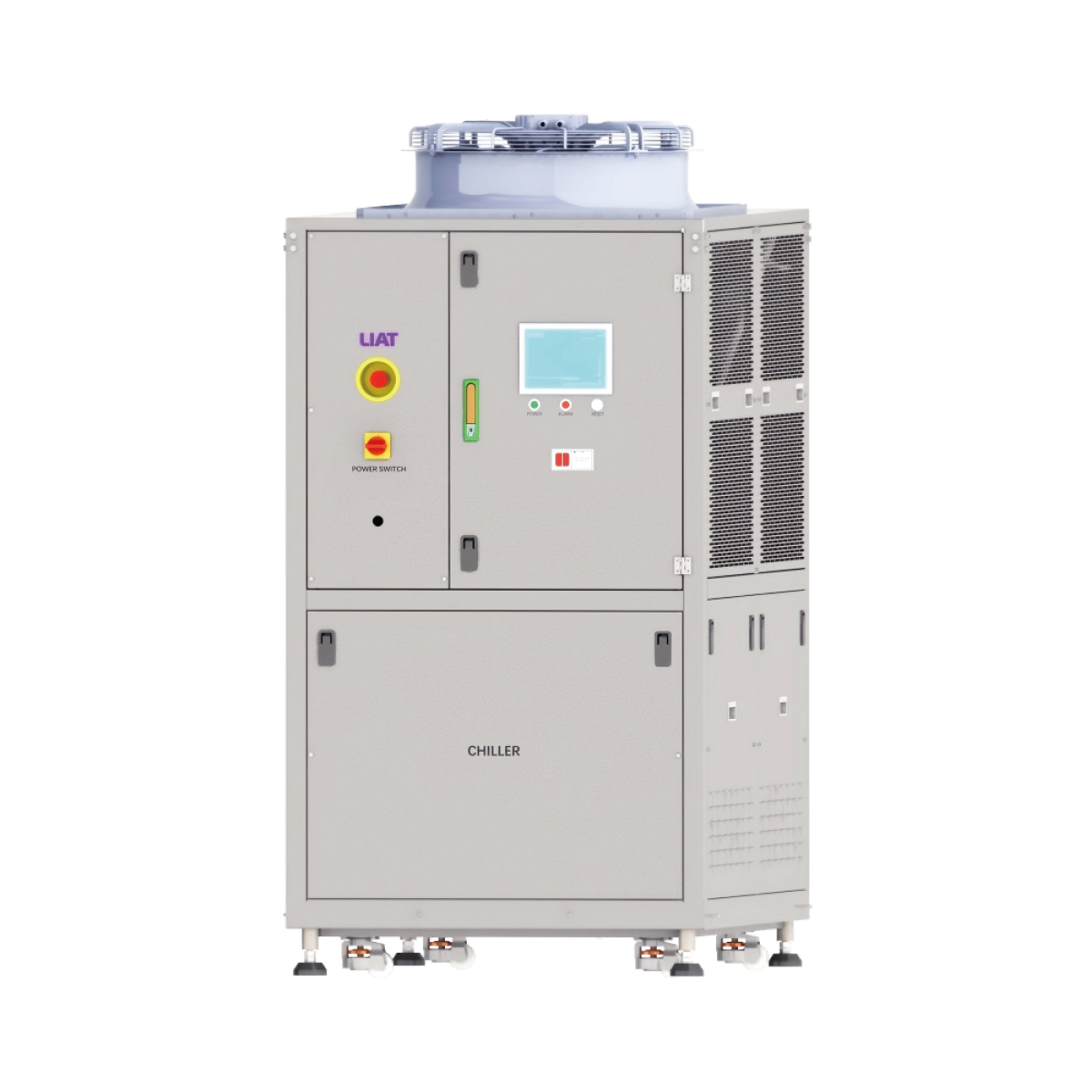
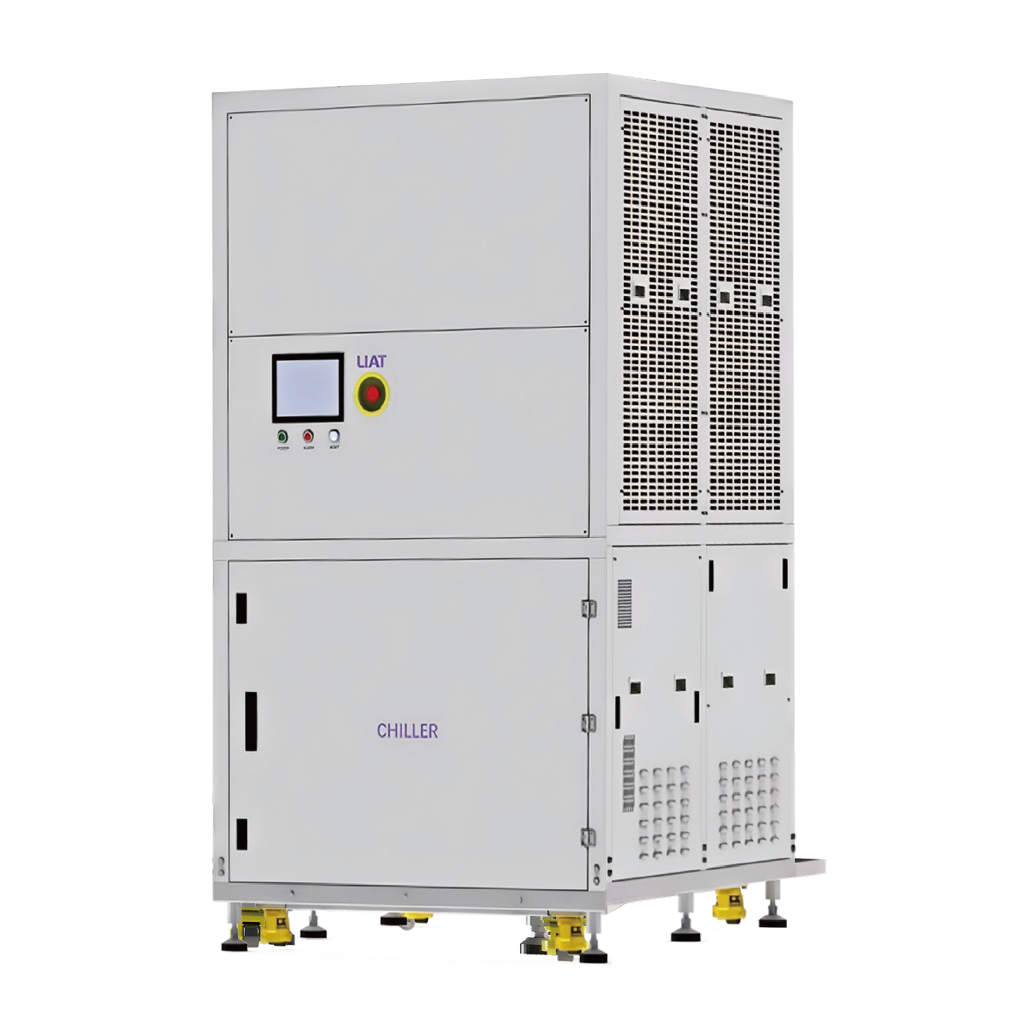
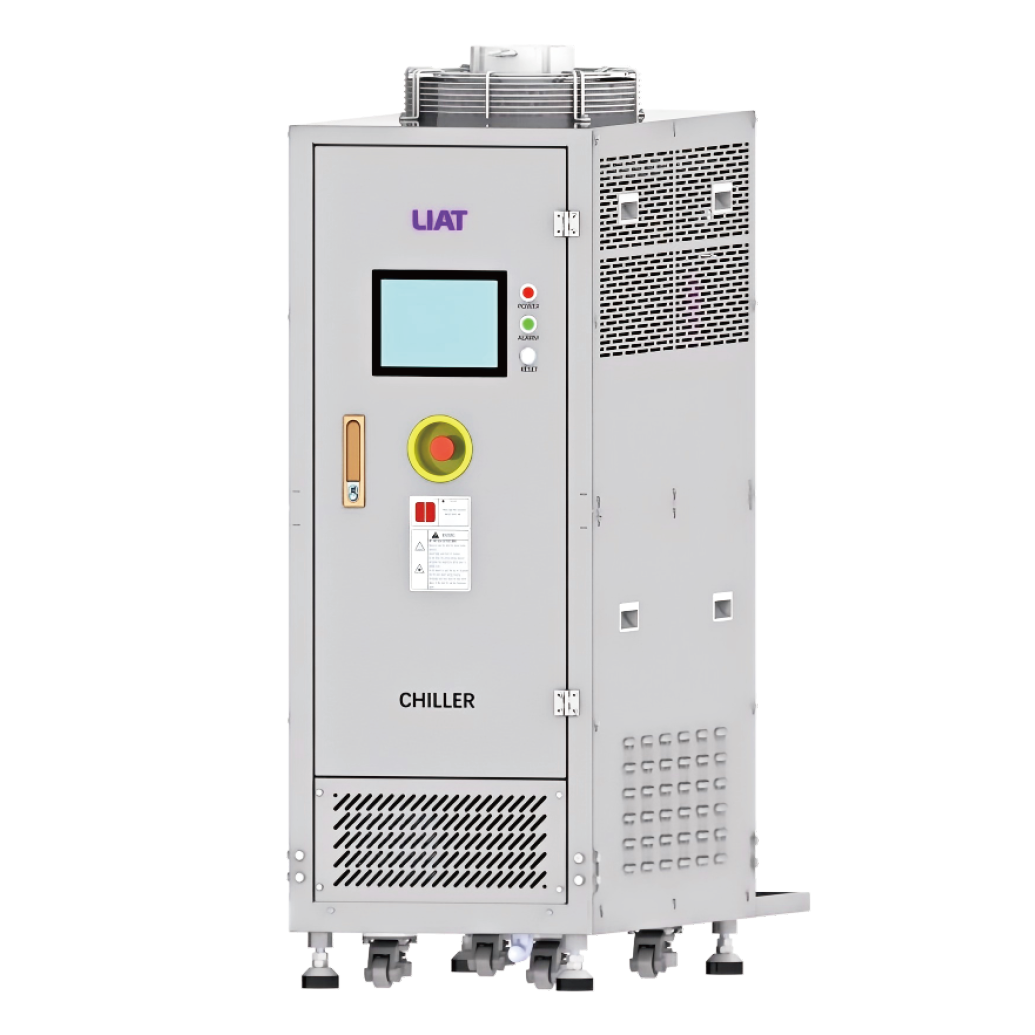
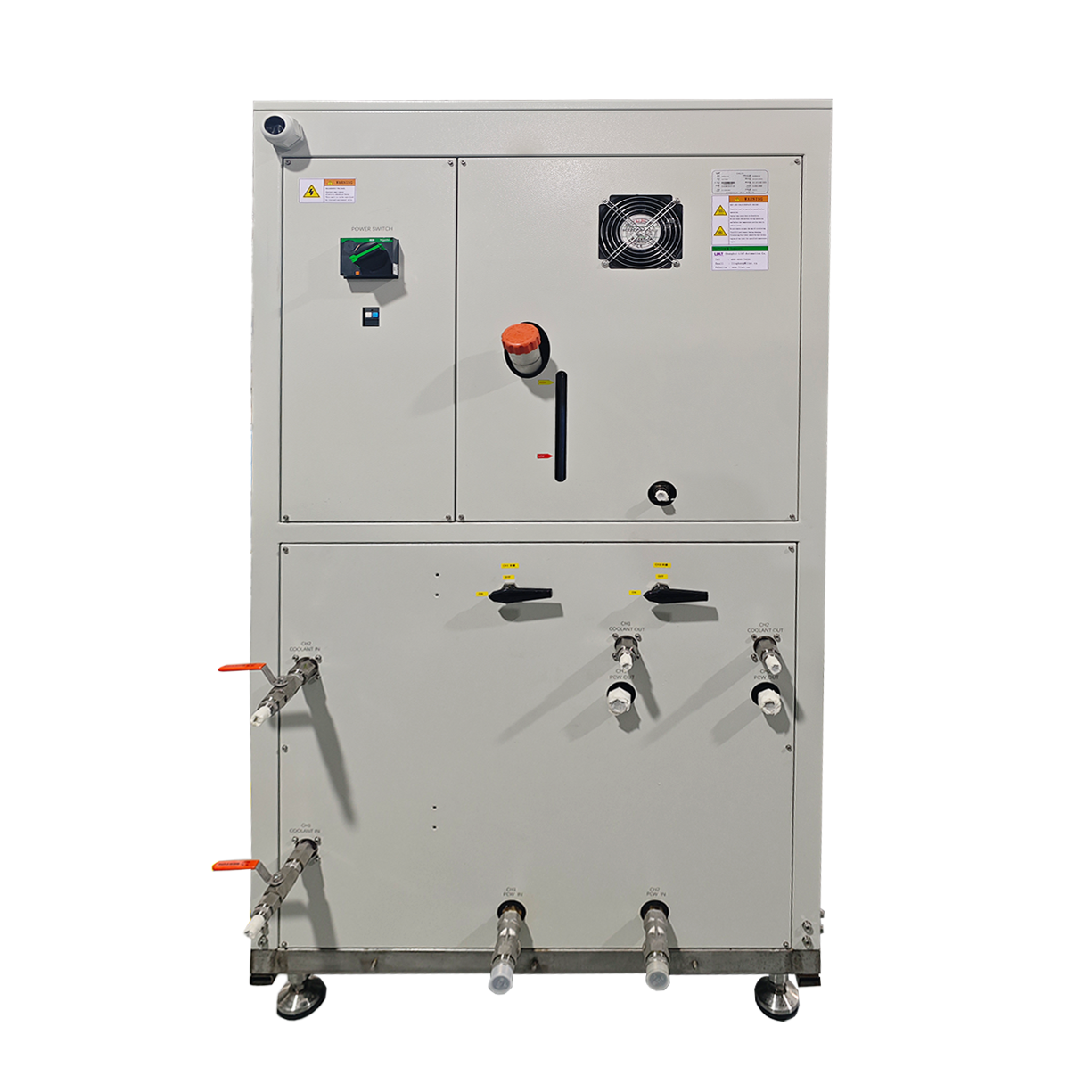
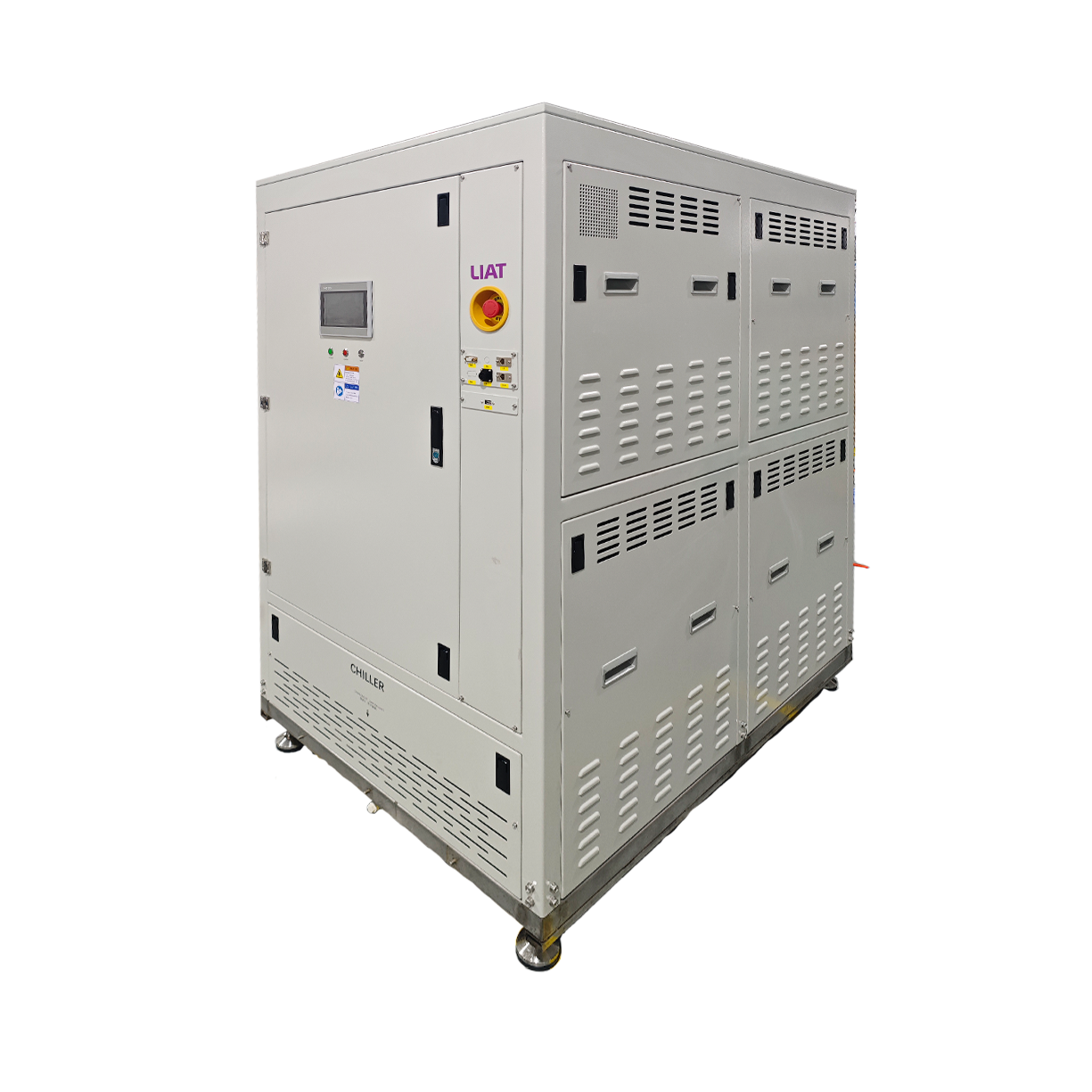
New energy low-temperature chiller

- Overview
- Recommended Products
- 15+ Years of Industrial Thermal Management Experience
- Strict Quality Inspection Before Delivery
- Fast Global Shipping
01 Why Choose LIAT New Energy Low Temperature Chiller
|
Designed for Battery Thermal Management Optimized for electric vehicle batteries, battery modules, energy storage systems, and power electronics requiring precise liquid cooling. |
Exceptional Temperature Stability Advanced PID control maintains temperature stability up to ±0.1°C, improving battery safety and charging performance. |
High-efficiency Liquid Cooling Efficient heat exchange technology rapidly removes heat while reducing energy consumption. |
Reliable Industrial Performance Industrial-grade refrigeration components ensure continuous operation under demanding production environments. | Customized Cooling Solutions Support for customized cooling capacity, coolant type, communication protocol, voltage, controller, and mechanical design. |
Worldwide Engineering Support
Professional thermal engineers provide complete technical consultation, project support, commissioning, and after-sales service. |
02 Powerful performance
Performance Highlights |
Technical Overview |
Key Advantages | |
|
• Designed for New Energy Industry • High-efficiency Liquid Cooling • Fast Temperature Response • Stable Battery Thermal Management • Energy-saving Refrigeration • Continuous Industrial Operation • Intelligent Remote Monitoring • Easy Maintenance
|
• Cooling Capacity 3kW–100kW • Temperature Range -40°C to +30°C • Temperature Stability ±0.1°C • PLC Intelligent Controller • High-efficiency Liquid Cooling • RS485 / Modbus / Ethernet Communication • Air-cooled & Water-cooled Models Available
|
|
|
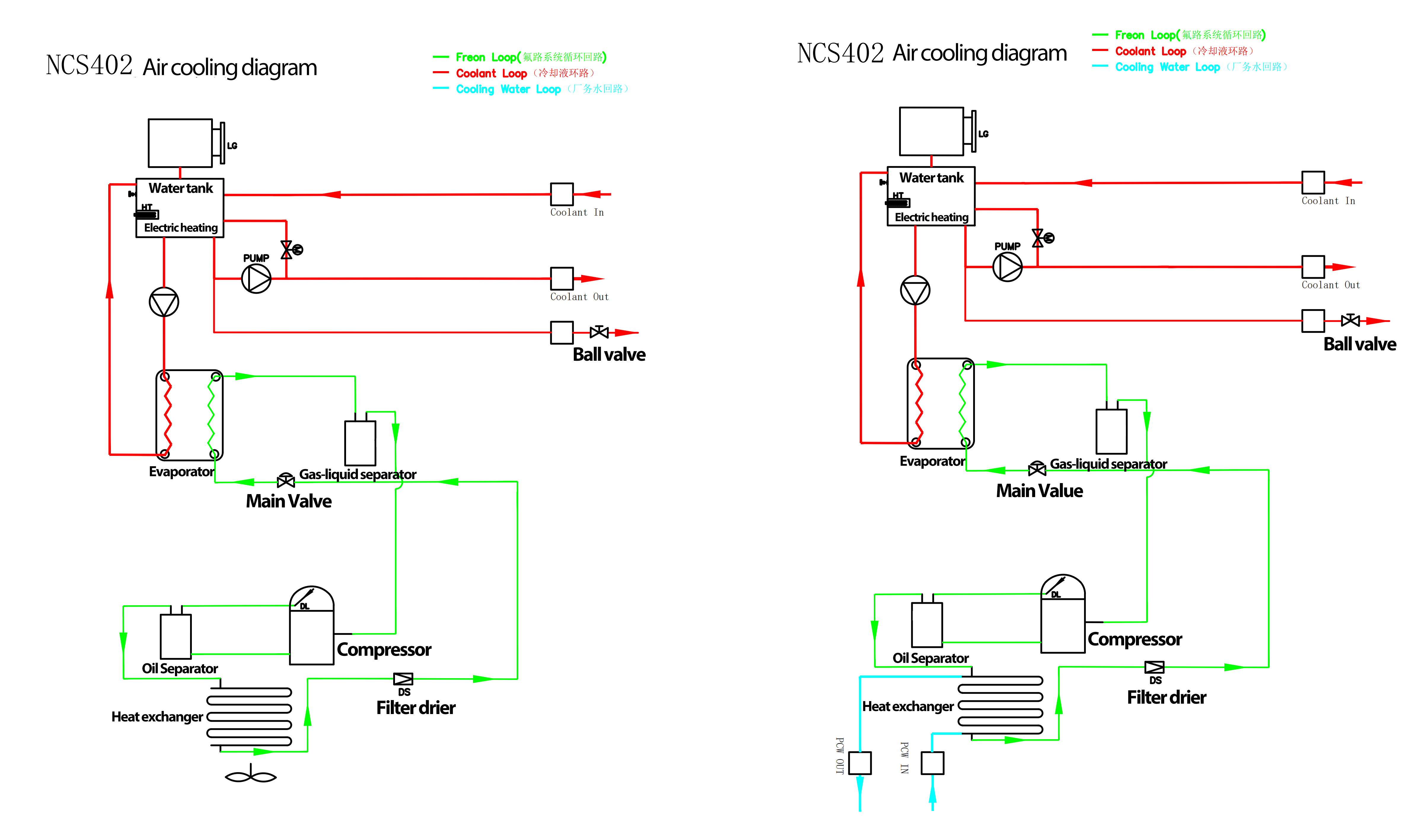
Structure Design |
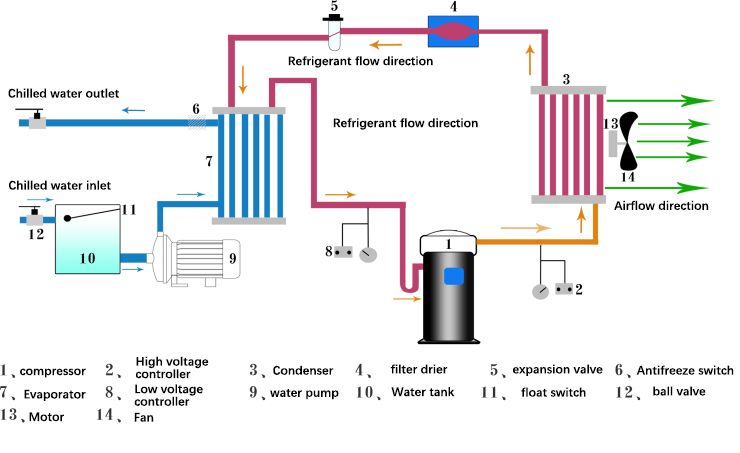
Structure diagram |
Core Components |
Refrigeration System |
Working Principle |
|
• Compact Modular Cabinet • Industrial-grade Construction • Easy Maintenance • Flexible Installation • Optimized Airflow Design |
|
• High-efficiency Scroll Compressor • Plate Heat Exchanger • Electronic Expansion Valve • Industrial Circulating Pump • Precision Temperature Sensors • PLC Intelligent Controller |
The liquid cooling system continuously removes heat from batteries and power electronic equipment while maintaining precise temperature control under varying operating conditions. |
① Coolant circulates through the battery or equipment. ② Heat is transferred to the refrigeration system. ③ Compressor removes thermal energy. ④ Intelligent controller regulates cooling capacity. ⑤ Stable operating temperature is continuously maintained. |
03 Performance Description
The intelligent refrigeration system rapidly removes heat generated by batteries, power electronics, and energy storage equipment while maintaining highly stable operating temperatures. Advanced PID control continuously adjusts cooling performance according to thermal load, improving battery safety, charging efficiency, and equipment reliability.
04 Applications
 EV Battery Pack Testing EV Battery Pack Testing |
 Battery Manufacturing Battery Manufacturing |
|
|
|
|
|
|
|
|
 Energy Storage Systems (ESS)
 Battery Module Production
 Charging Equipment
 Hydrogen Energy Equipment
 Power Electronics
05 Technical Details
Structure Design |
Core Components |
Refrigeration System |
|
• Compact Modular Cabinet • Industrial-grade Construction • Easy Maintenance • Flexible Installation • Optimized Airflow Design |
• High-efficiency Scroll Compressor • Plate Heat Exchanger • Electronic Expansion Valve • Industrial Circulating Pump • Precision Temperature Sensors • PLC Intelligent Controller |
The liquid cooling system continuously removes heat from batteries and power electronic equipment while maintaining precise temperature control under varying operating conditions. |
06 Working Principle
① Coolant circulates through the battery or equipment.
② Heat is transferred to the refrigeration system.
③ Compressor removes thermal energy.
④ Intelligent controller regulates cooling capacity.
⑤ Stable operating temperature is continuously maintained.
07 Specifications
| Model | NVD402-A-33 | NCD303-W-33 |
| Cooling Method | Air-Cooling | Water-Cooling |
| Control Mode | PID Control | |
| Temperature Control Range | CH1/ CH2:-40℃~+85℃ | -30℃~+85℃ |
| Precision | ±0.1℃ | ±0.1℃ |
| Refrigeration Capacity | CH1/ CH2: -40℃@2 KW 20℃@20 KW |
-30℃@3 KW 20℃@20 KW |
| Heater | CH1/ CH2: 8kW | CH1/ CH2: 20kW |
| Tank | CH1/ CH2: 20L | CH1/ CH2: 20L |
| Circulating Liquid Flow Rate | CH1/ CH2: 1~30L/min(0.3Mpa) | CH1/ CH2: 1~30L/min(0.3Mpa) |
| PCW Traffic | / | CH1: 50~80 L/min@15~25℃ CH2: 50~80 L/min@15~25℃ |
| Types of Circulating Fluid | Ethylene glycol mixture | Ethylene glycol mixture |
| Refrigerant | R404A | R404A |
| Circulating Liquid Interface | CH1/ CH2: Rc3/4“ | CH1/ CH2: Rc3/4“ |
| PCW Interface | / | CH1/ CH2: Rc1“ |
| External Dimensions(mm) | 1200W*1800D*2250H | 1000W*1500D*1900H |
| Input Power Supply | 3Ph,380-400V,50Hz | 3Ph,380-400V,50Hz |
| Machine Power | 42kW | 66kW |
| Net Weight | 850kg | 800kg |
08 Why Choose LIAT
 |
 |
 |
 |
 |
 |
09 Frequently Asked Questions
 What is a New Energy Low Temperature Chiller?
It is a precision liquid cooling system designed for batteries, energy storage equipment, charging systems, and other new energy applications requiring stable thermal management.
 What industries commonly use this chiller?
Electric vehicles, battery manufacturing, energy storage systems (ESS), hydrogen energy, charging equipment, renewable energy, and battery laboratories.
 Can LIAT customize the cooling system?
Yes. Cooling capacity, coolant type, communication protocol, controller, power supply, and mechanical structure can all be customized.
 Does it support remote monitoring?
Yes. Optional PLC, Modbus, RS485, Ethernet, and IoT monitoring solutions are available.
 What cooling methods are available?
Both air-cooled and water-cooled configurations are available depending on project requirements.
 How can I request a quotation?
Provide your required cooling capacity, operating temperature, application, and installation requirements. Our engineers will recommend the most suitable model within 24 hours.