Why Are Single Channel Heat Exchangers Important for Cooling Systems
In today's cooling systems—be it semiconductor, new energy vehicle (EV) powertrains, or industrial equipment—stable and efficient heat transfer is core to ensuring the device performs and lasts. Single channel heat exchangers, core components of the thermal management systems, are irreplaceable for applications where temperature control and compact design are required. Because of the experience with over 12 years of thermal management, Suzhou Lingheng Precision Industry Co., Ltd., an professional thermal management solution provider, is offering top quality single channel heat exchangers with various industries requirements. System integrators and equipment manufacturers often ask, Why are single channel heat exchangers essential to the cooling system? This paper will answer this question from multiple angles to illustrate the importance of single channel heat exchangers.
Why Precision Temperature Control is Critical for Single Channel Heat Exchangers
Single channel heat exchangers are perhaps the best option for cooling systems in high-tech industries due to the precision needed. Where there are multi-channel heat exchangers, there are temperature control issues. Single channel heat exchangers have designed individual flow paths, meaning there is equal uniformity in fluid velocity and heat transfer throughout the channel. Temperature control requirements for the single channel heat exchangers are ±0.1°C, and even this fits the thermal control required itch for the semiconductor 5nm chips and EV battery testing. For example, in the semiconductor etching processes, there is a 0.5°C temperature swing, and it is deemed a disaster for the thermal stability of the cooling fluid. Yield loss due to thermal instability is a disaster for multi-channel heat exchangers. This ultra stable temperature control is required and invaluable for most cooling systems.
Space Considerations in Cooling Systems Design
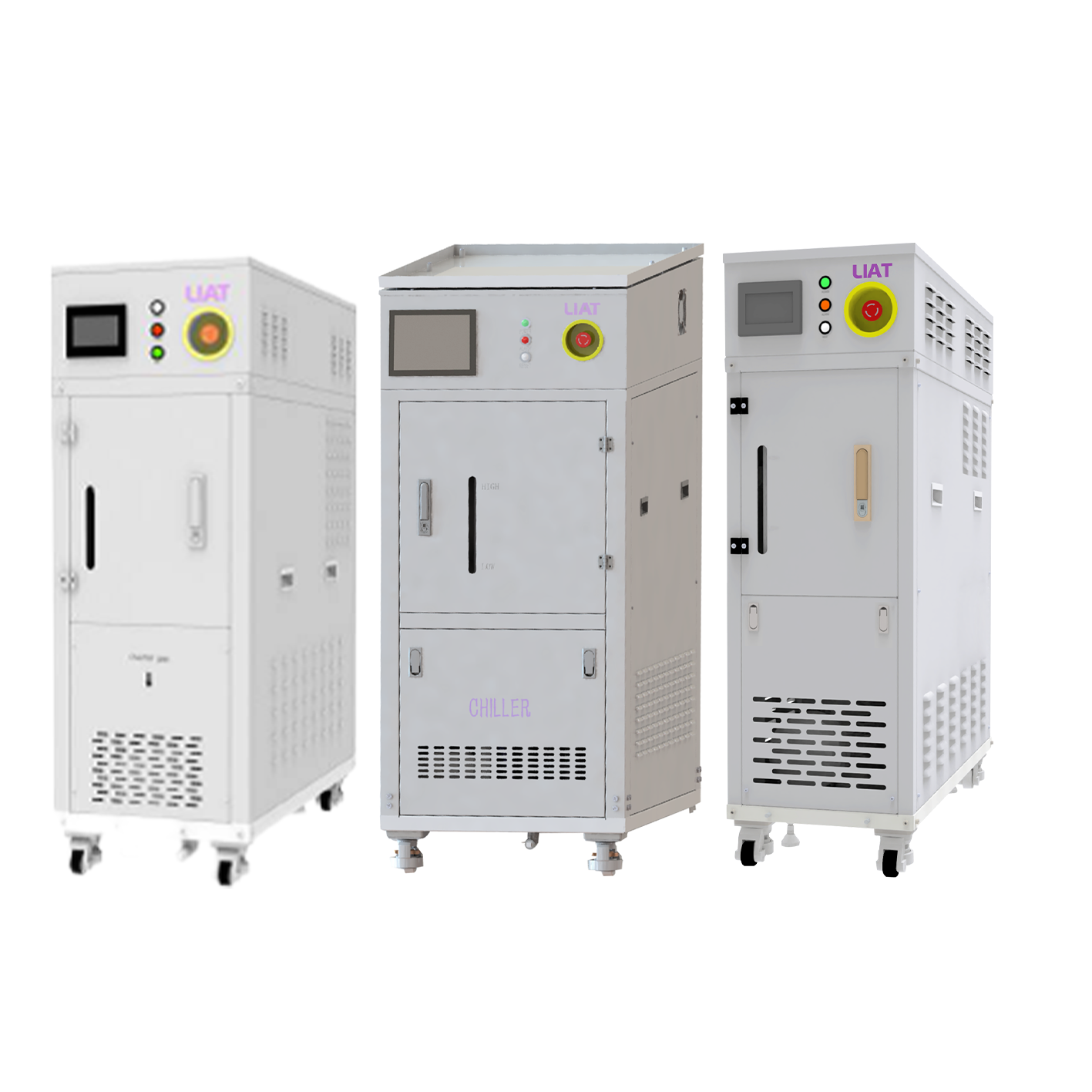
Space optimization is one of the most important aspects of the design of cooling systems for specialized equipment, such as EV powertrain and compact semiconductor devices, which have limited installation spaces. Lindheng has Single Channel Heat Exchangers (SCHE) featuring compact designs. Their integrated single flow path eliminates the need for complex manifold connections (common in multi-channel designs) which results in 30% less volume than in traditional heat exchangers. Their compact designs enable installation in narrow spaces, such as between EV battery packs and semiconductor test chambers. For instance, in EV thermal management systems single channel heat exchangers enable the efficient cooling of e-drive systems battery modules gaps which greatly improves layout design flexibility of the vehicle. This space optimization advantage makes SCHEs the cooling systems of choice in applications with limited size and weight.
High Heat Transfer Efficiency: Reducing Energy Consumption of Cooling Systems
Single channel heat exchange systems perform outstandingly and drive the energy costs of cooling systems down. Lingheng employs direct thermal conductivity materials--aluminum alloys and stainless steel--and designed channel configuration with smooth walls and even flow restrictions to optimize and minimize the sytsem's efficiency of heat exchange. Heat exchangers in single channels provide specialized cooling fluids--water and refrigerants--that offer heat exchange coefficients of 25% greater than multi-channel systems. In industrial chiller systems, this performance results in decreased pump power as each single channel heat exchanger lowers chiller energy usagesby 15-20% in even thermal loads. Single channel heat exchangers are a most economic feasible solution for cooling systems with energy saving and system performance needs.
Versatility \& Strong Compatibility of the Single Channel Heat Exchanger
A major upside of the Single Channel Heat Exchangers is their versatility. The equipment is built to withstand different configurations of the cooling systems and a variety of fluids. Lingheng designs its heat exchangers to correspond with a range of cooling media like water, ethylene glycol solutions, and fluorinated liquids for different industry needs like water cooled semiconductor equipment and oil cooled EV motors. The exchangers are also designed with customizable connection ports, and mounting brackets, to allow for integration with other components of the cooling systems like pumps, valves, sensors, etc. For instance, in the cooling systems for data centers, the single channel heat exchangers are used in conjunction with high precision chillers to absorb high heat flux dissipated from server racks. In the automotive industry, they are used to cool die casting mold systems with high temperature coolants. The diversity of these applications ensures that all the requirements from different users are met.
Dependable Operations With Minimal Maintenance: Decreasing Downtime for Cooling Systems
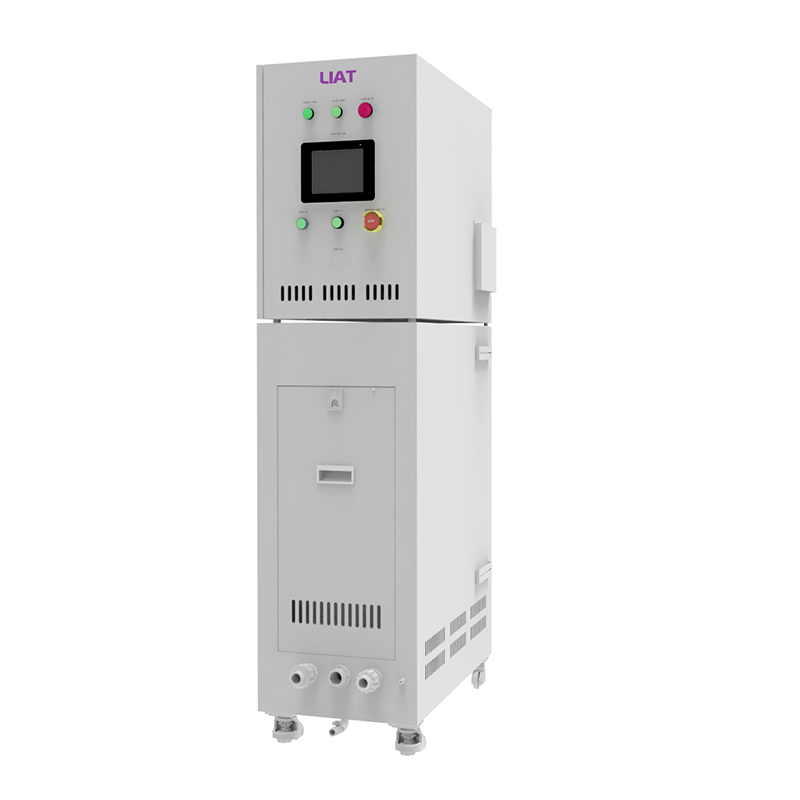
Reliability and simple maintenance are significant for cooling systems for mission-critical operations like semiconductor fabs and EV production lines. In these situations, single-channel heat exchangers shine. Customers get smooth flow paths with no flow internal flow dividers, meaning no black boxes with high clog/leak failure rates common to the multi-channel designs. Because of this, over multi-channel designs, the sediment build up maintenance interval extends to 12-18 months and is more than 3x that of multi-channel heat exchangers. When maintenance does need to happen, the designs are so straightforward and maintenance is so simple that systems of this type are down for less than 4 hours. For instance, in semiconductor manufacturing, where unplanned downtime is so prevalent, single channel heat exchangers provide peace of mind and low operational maintenance reliability that fosters unimpeded production flow. For these reasons and more, these heat exchangers are a core product for cooling systems where uptime is critical.
Cooling System Safety and Quality: Compliance with Industry Standards
As per global industry standards, all single-channel heat exchangers by Lingheng offer a safety and quality assurance for cooling system. Exchangers receive endorsements for their adherence to international standards such as ISO 9001, IEC 61215, and RoHS, which guarantees Environmental and Safety Compliance to target markets in the EU, US, and Southeast Asia. For cooling systems in medical devices or food processing, Lingheng’s single-channel heat exchangers have also been audited against the safety of materials sanctioned by the FDA to avoid the risk of contamination of the fluid. In addition, each unit is subjected to various tests (pressure resistance, leak detection, thermal performance tests, etc.) in Lingheng’s Class 100 cleanroom facilities before shipment. This enables assurance on quality and safety on performance with the single-channel heat exchangers where several industries would have to assure safety and compliance regulations on the cooling system.
 Hot News