How Does a Dual Channel Cascade Chiller System Work
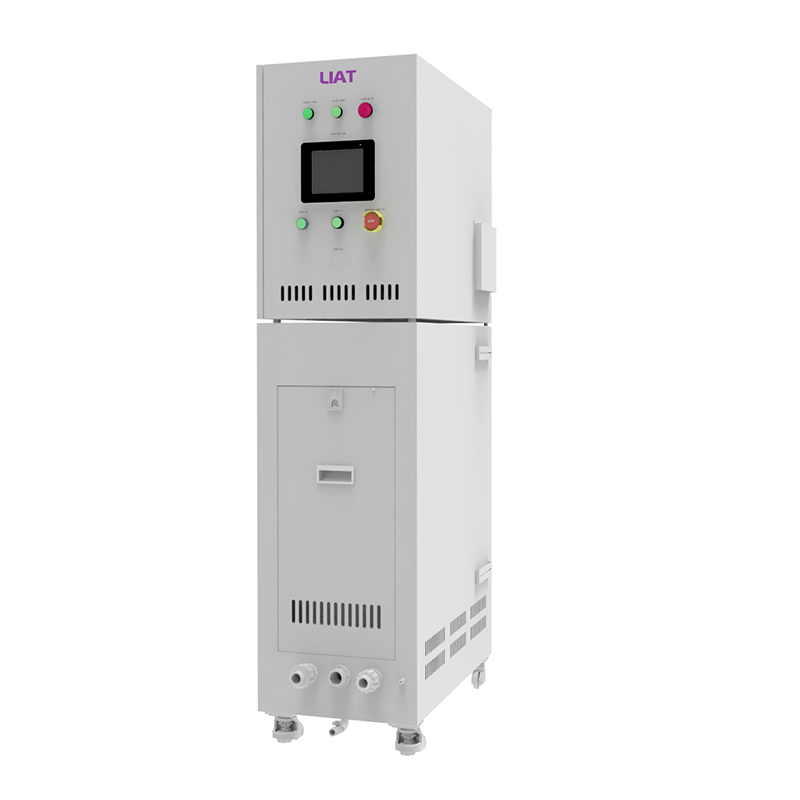
The dual-channel cascade chiller system stands at the frontier of chiller technology, addressing the specific sub-zero cooling requirements of semiconductor fabrication, the latest in energy vehicle technology, and other multiplicative industries. Moving beyond traditional single-channel chillers, the dual-channel convenience coordinates two separate but interlinked chillers, allowing for greater flexibility and even more precise control over mastering and maintaining the operative temperature. Each of these industries depends on and requires less than even minute changes in temperature for greater yield, quality, and more energy-efficient production. Building on more than 12 years of experience in the field of thermal management technology, Suzhou Lingheng Precision Industry Co., Ltd. has fine-tuned the system to meet the excess temperature control technical requirements of 2.5D/3D semiconductor and EV (Electric) powertrain (retail) testing, holding range widths of -100 to +200°C and gradients of 0.1°C.
Working Principles of Dual Channel Cascade Chiller System
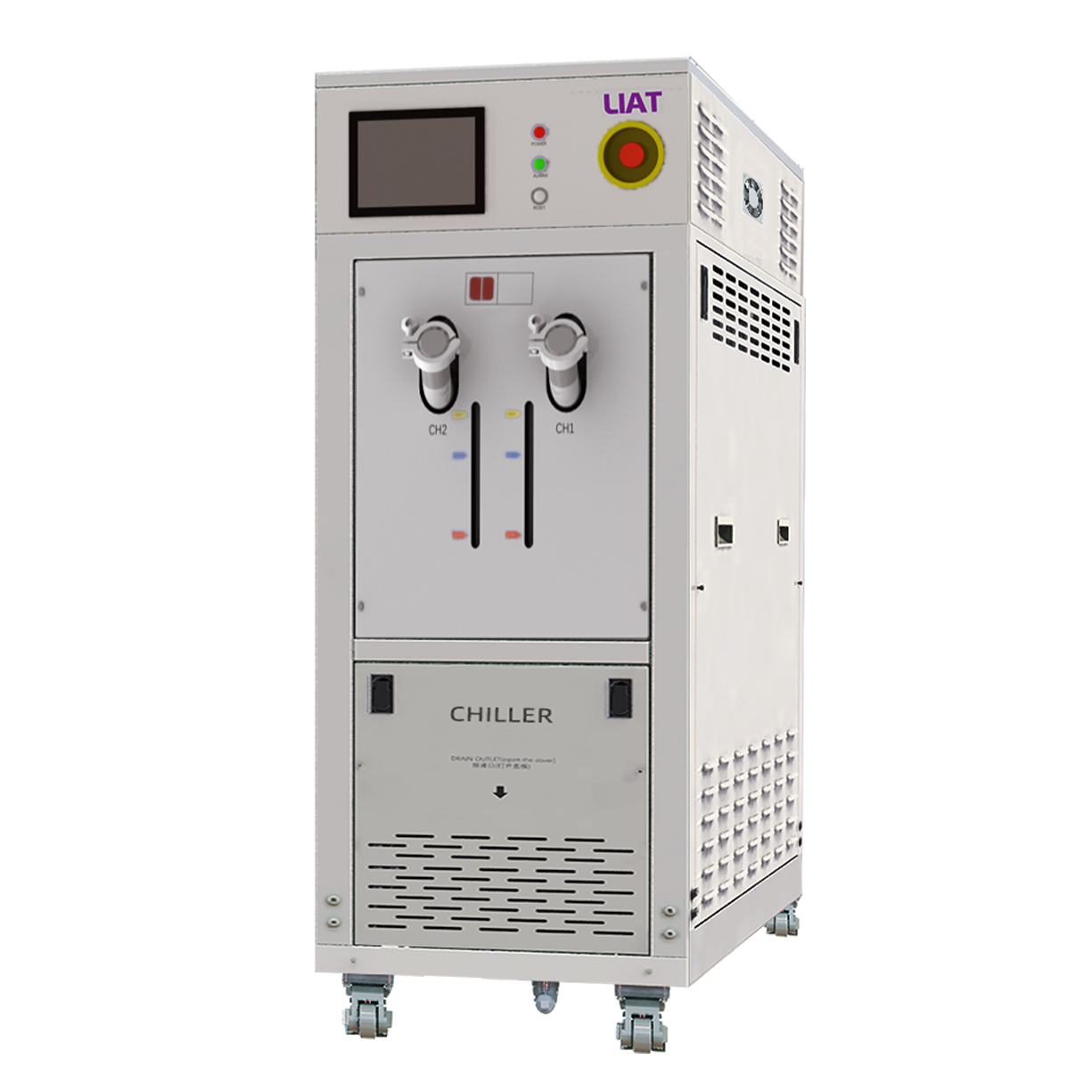
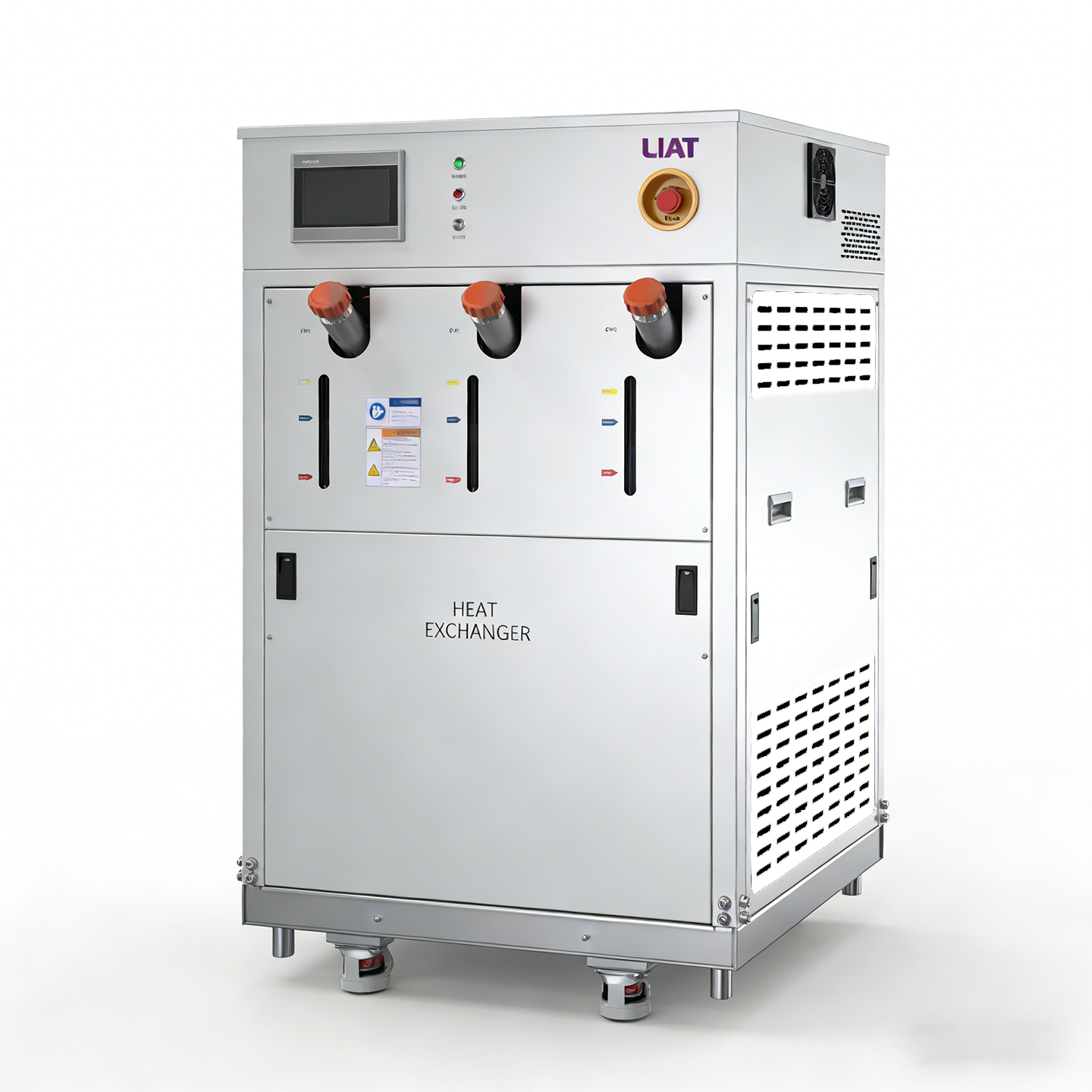
System’s dual channel design and cascade refrigeration cycle are the most prominent features of the dual channel cascade chiller system. Each channel runs a closed refrigeration loop and the two loops are connected via a heat exchanger for cascade heat transfer. This design optimizes the operation of the dual channel cascade chiller system for extreme temperature applications, and takes advantage of the different refrigerants in each stage. An example of the application of the dual channel cascade chiller system in semiconductor manufacturing is the simultaneous cooling of two independent process modules while maintaining stable temperature for the etching and deposition processes. The PLC control system housed in the dual channel cascade chiller system provides seamless operation of the two channels in adjusting cooling capacity in response to real-time load variations, maintaining temperature stability. The system’s all metal panel construction improves heat dissipation and lowers EMI, further assuring reliable operation in challenging industrial environment.
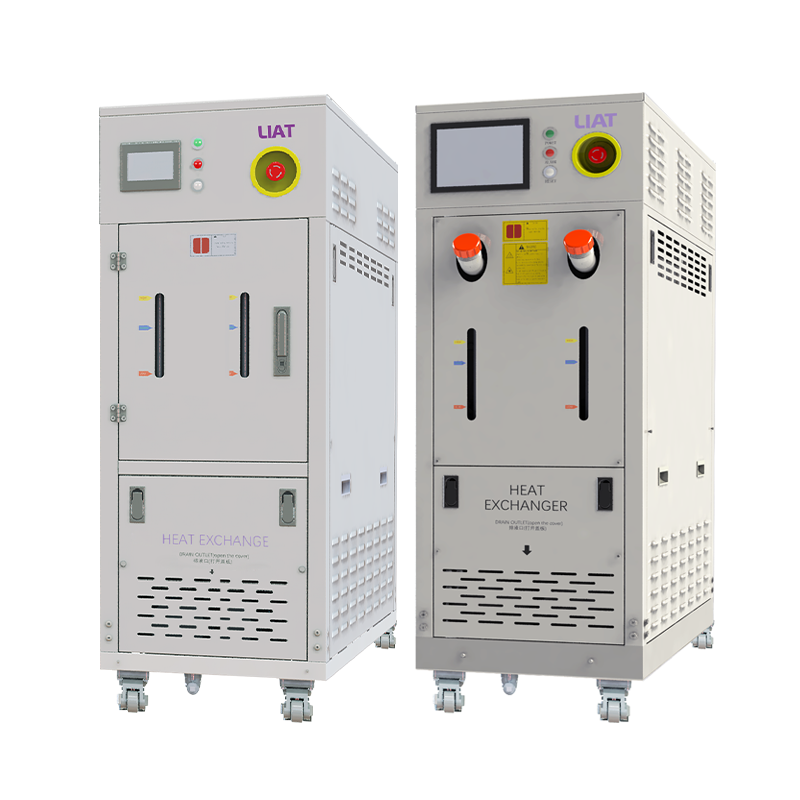
Design Features of Dual Channel Cascade Ciller Systems
Top tier dual channel cascade chiller systems are made of several components working together to deliver a high level performance in cooling. These components include: dual independent compressors, cascade heat exchangers, temperature control sensors, and control units. Each independent compressor is meant to cover different temperature ranges in order to obtain overall efficiency in the broad range of temperature from -100 degrees C to +200 degrees C. The cascade heat exchangers actively promote efficient heat transfer in the two channels, thereby minimizing cooling efficiency. Temperature control sensors placed strategically within the system give real time data to the PLC control unit to make real time adjustments within control limits to +/- 0.1 degrees C. Additionally, dual channel cascade chiller systems from Suzhou Lingheng come with specially designed circulating liquid ports and complementary communication interfaces to facilitate the connection with different OEM tools used in semiconductor fabs and automotive assembly. Such working components make the dual channel cascade chiller system a dependable and adaptable unit for numerous industrial uses.
Applications of Dual Channel Cascade Chiller Systems in Critical Industries
The Dual Channel Cascade Chiller System excels in industries where high-precision thermal management is needed. In the semiconductor industry, it is critical for processes like chiplet and 3D packaging, where thermal instability can cause a yield loss of up to 40%. Maintaining a stable temperature loss of 37% is generated by the Dual Channel Cascade Chiller System, therefore improving efficiency and costs. In the new energy industry, it is widely used in the testing of EV powertrains and the optimization of battery safety. It provides stable cooling of die-casting molds used in automotive production, avoiding porosity defects from temperature differences over 8°C, therefore reducing rejection rates by 15%. Furthermore, the Dual Channel Cascade Chiller System exceeds expectations of being carbon neutral like Sudzo Lingheng’s CO2-based models with GWP=1, and no Ozone Depleting Potential (ODP) which meets the environmental standards of the Kigali Amendment. Thus, being the ideal system for the industries looking to lower their carbon footprint.
Benefits of Dual Channel Cascade Chiller Systems Over Conventional Systems
Duel channel cascade chiller systems have a number of advantages over single channel chillers and other traditional systems. The systems double channel design allows for superior flexibility and makes it possible to cool multiple processes or pieces of equipment simultaneously without loss of performance. The cascade refrigeration cycle allows their systems to achieve high altitudes of low temperature. This beats out single-stage chillers which have a hard time achieving temperature ranges below -50°C. Another key benefit is energy efficiency. The systems inverter technology varies the speed of the compressor to adjust to demand as opposed to running at constant high speeds. This design saves a ton of energy. The dual channel cascade chiller systems reliability is also aided by this design and is in a redundant design. This means that in the case one channel needs maintenance, the other one can continue running allowing for zero downtime during critical maintenance periods. The systems compact design also frees up a lot of space on your factory floor. And due to the systems low electromagnetic interference, the dual chiller is compatible with the sensitive electronic equipment utilized in semiconducters and data center apps
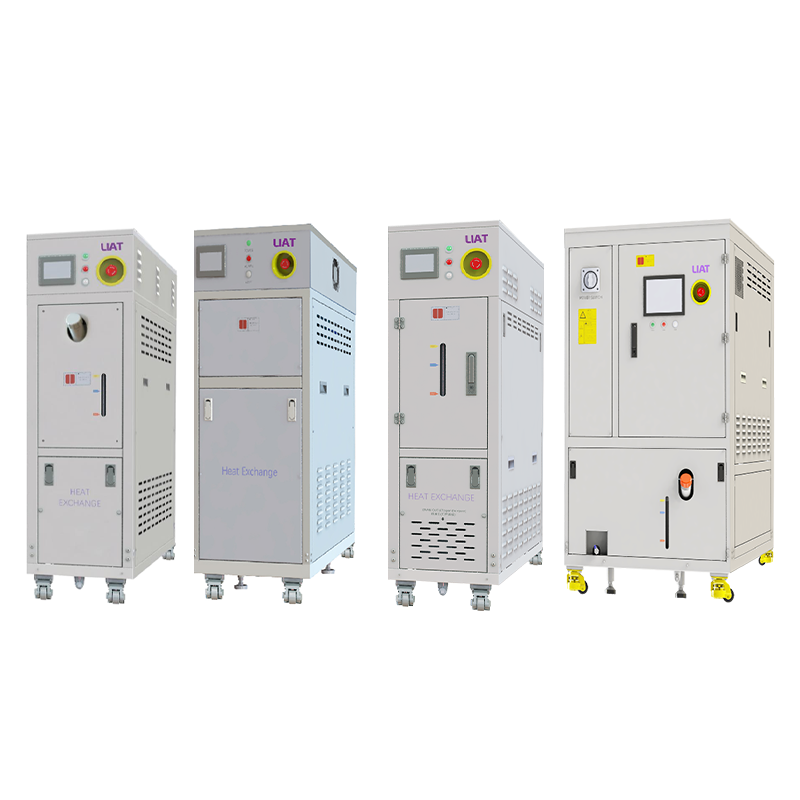
How To Select a Proper Dual Channel Cascade Chiller System
Buying a suitable dual channel cascade chiller will depend on the characteristics of the cascade chiller as well as the specific requirements of the user. When selecting a cascade chiller, the first thing to look for is the temperature range of the system as well as its precision. In this regards, the system needs to be able to operate over a temperature range and maintain a temperature to within 0.1 °C. Cooling requirements have to be evaluated to determine the cooling capacity of the system to determine if the system will be able to handle the cooling requirements of the processes especially those that are high as with semiconductor etching or EV battery testing. Integration of the system to the existing equipment is very important. Therefore, customize able interfaces and circulation ports are a necessity as they ensure no disruptions within the process of cooling. Environmental compliance is very important and systems with low GWP and zero ODP should be chosen as they are more aligned to current global standards as regards systems with cascade dual channel. The positive aspects of this company of Suzhou Lingheng cascade dual channel system is due to its 12 years in the industry, distribution network in the country, and systems in Class 100 clean room as a constant manufacturer to provide quality and to provide after market support. These systems can improve the production processes and enhance the industry.
 Hot News