
Why an EV Battery Test Cooling System Boosts Test Accuracy
Battery test results are only as useful as the conditions around the cell, module, or pack. An EV battery test cooling system gives engineers a controlled thermal boundary while they examine capacity, power, impedance, charging behavior, durability, or safety-related responses. When that boundary drifts, the electrical trace may reflect a changing thermal environment as much as it reflects the device under test.
For a test team, the point is not simply to keep hardware cool. The point is to make temperature a known, recorded input. A well-matched EV battery test cooling system helps teams compare like with like across runs, fixtures, and development stages. That makes it easier to decide whether a change in voltage, resistance, or available power came from the test article or from the surrounding setup.
Temperature is part of the measurement condition
Lithium-ion behavior responds to temperature, current profile, state of charge, rest time, and heat-transfer conditions. That is why an EV battery test cooling system should be considered part of the measurement chain rather than background utility equipment. A cell that begins a discharge at a different temperature from a previous run may produce a different voltage response even if the electrical procedure looks unchanged.
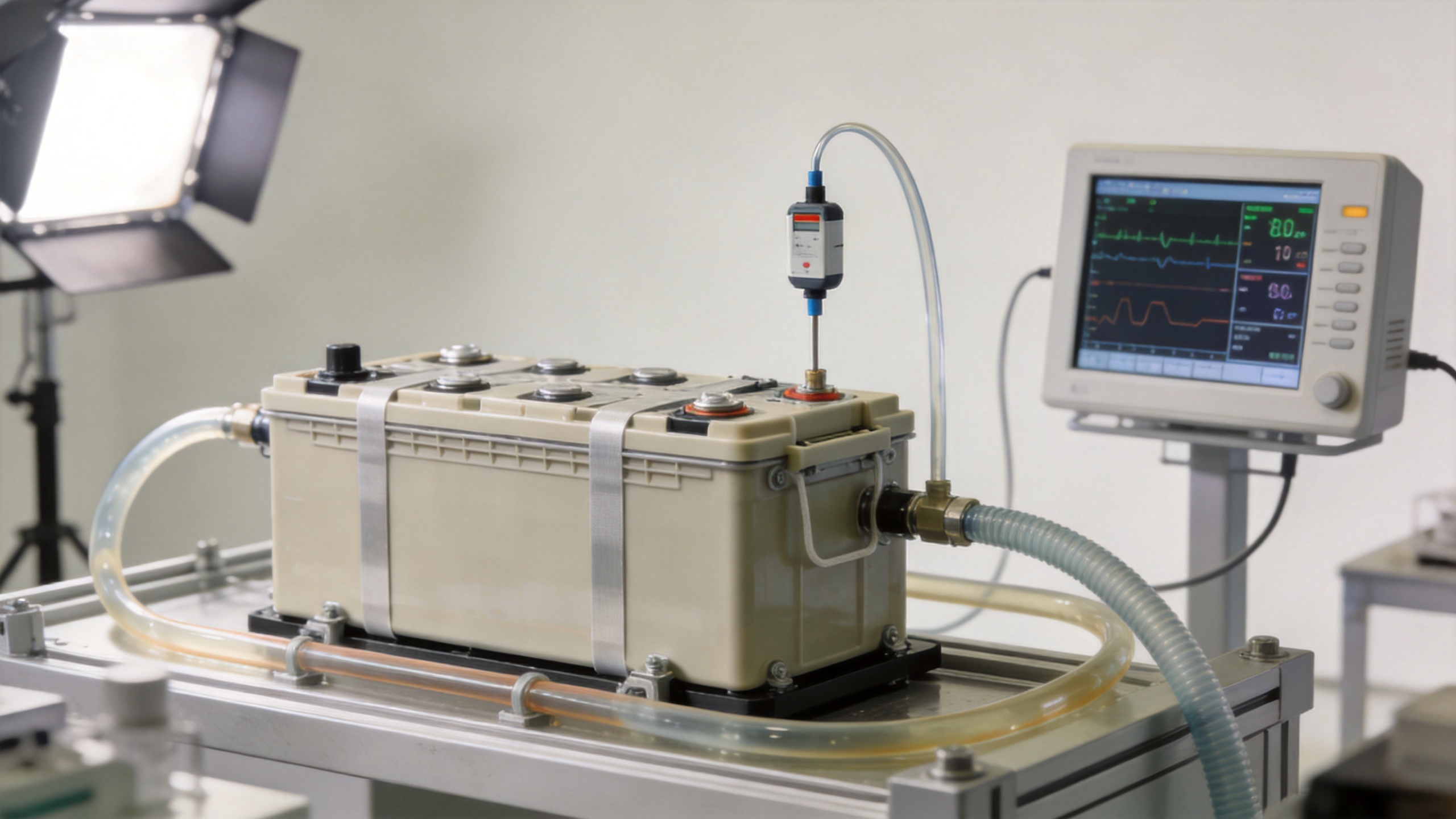
Standards-oriented battery procedures commonly call for a defined initial temperature or stabilization period before testing, unless a different condition is specified. In practice, an EV battery test cooling system supports that discipline by circulating conditioned fluid through a cold plate, chamber connection, or fixture and by making the thermal starting point observable.
What matters is not a universal setpoint. The relevant window depends on the chemistry, fixture, test purpose, coolant, allowable gradient, and programmed duty cycle. If heat load changes sharply, target temperature alone is usually not enough to judge the setup. Supply and return temperatures, flow, pressure, and device temperatures can explain whether the loop is actually following the intended condition.
How thermal variation can distort test interpretation
An EV battery test cooling system helps reduce several sources of uncertainty that can otherwise overlap. First, a changing cell temperature can shift measured electrical behavior during high-current charge or discharge. Second, uneven heat removal can leave one area of a module warmer than another. Third, a delayed response from the cooling loop can make transient results harder to compare between runs.
These effects do not automatically invalidate a test. They do mean that engineers should treat temperature as a potential confounder when a trace changes unexpectedly. A practical EV battery test cooling system gives the team evidence to separate a test-article effect from a thermal-control effect. This is especially useful when comparing design revisions, validating a thermal contact path, or investigating a result close to an acceptance limit.
What stable cooling contributes during demanding profiles
During long cycling, pulse loading, fast charging, or repeated hot-and-cold sequences, thermal demand rarely stays flat. An EV battery test cooling system must handle the actual heat-load pattern rather than only a nominal steady condition. Capacity is important, but so are control response, fluid distribution, pressure drop, and the ability to operate across the planned temperature range.
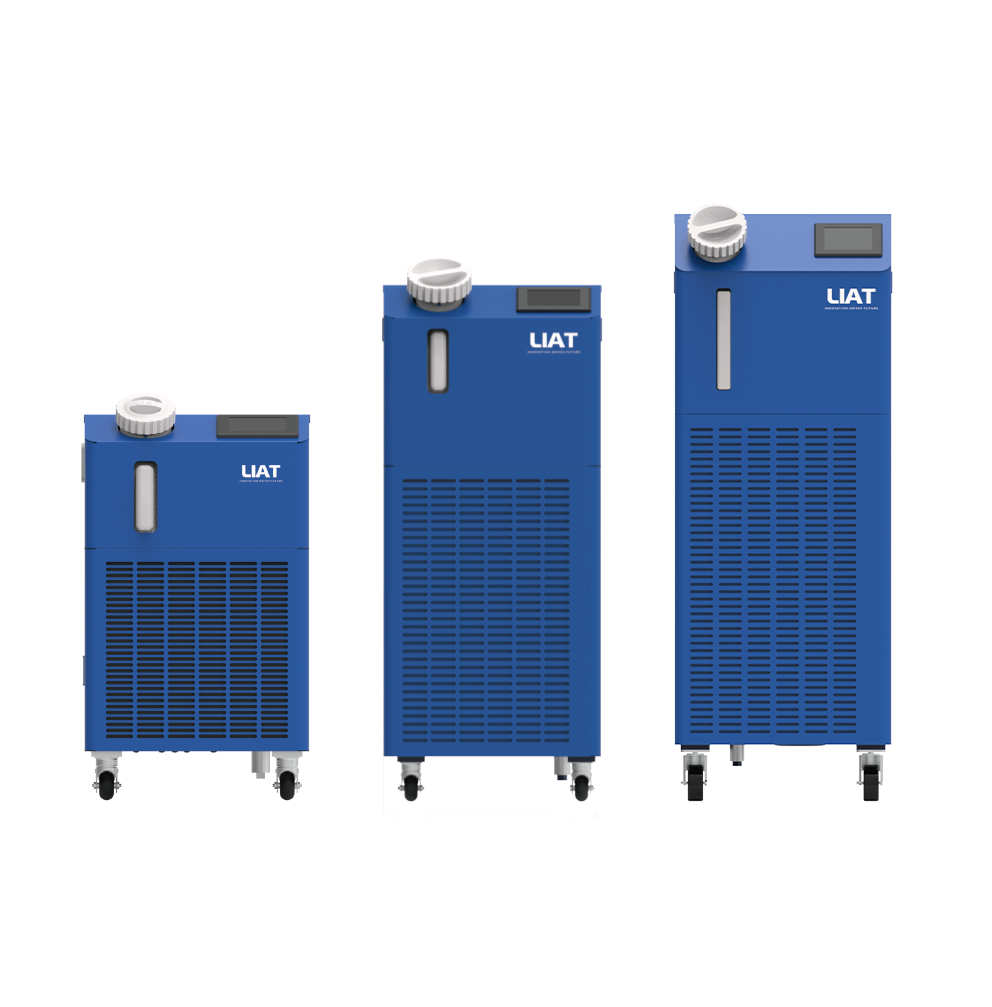
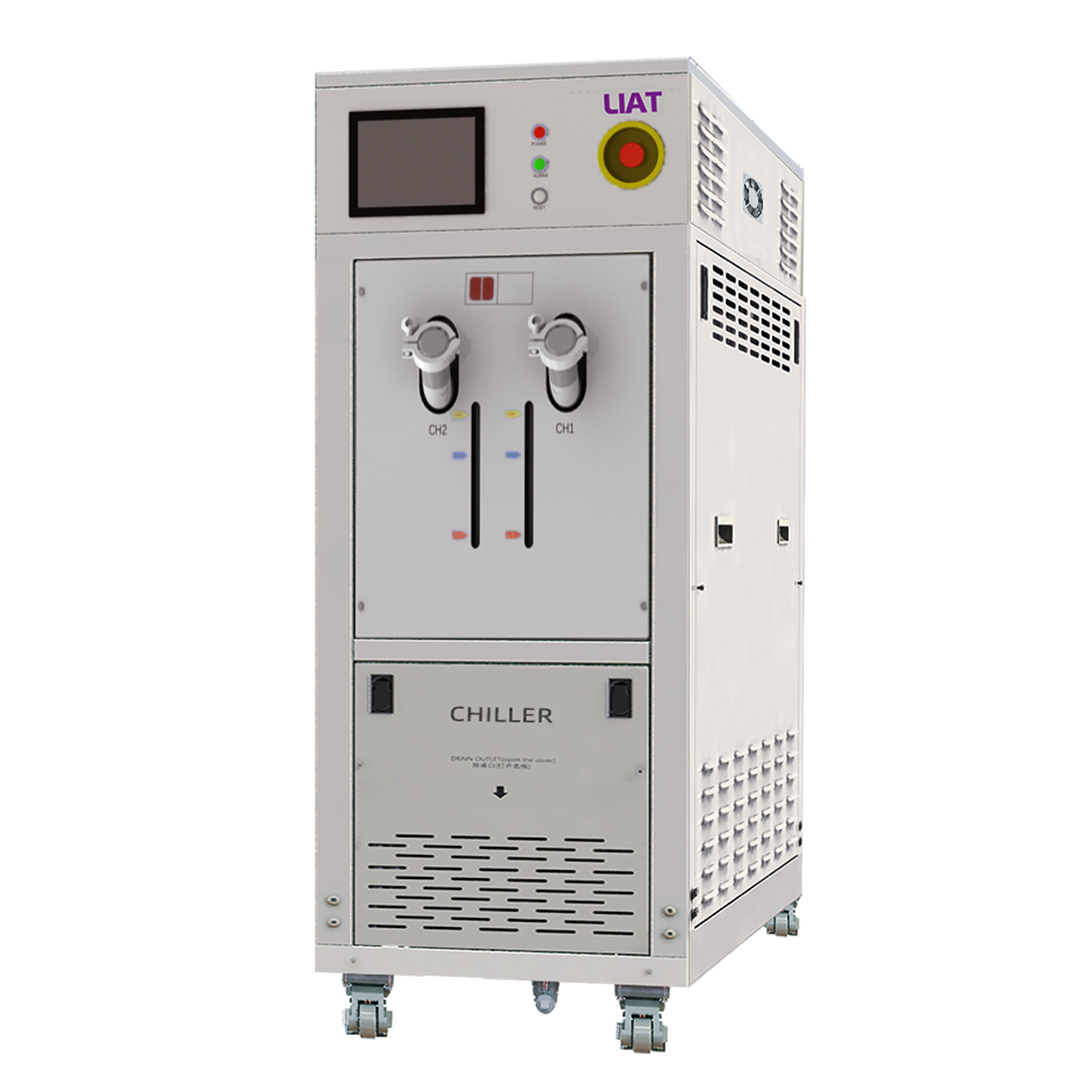
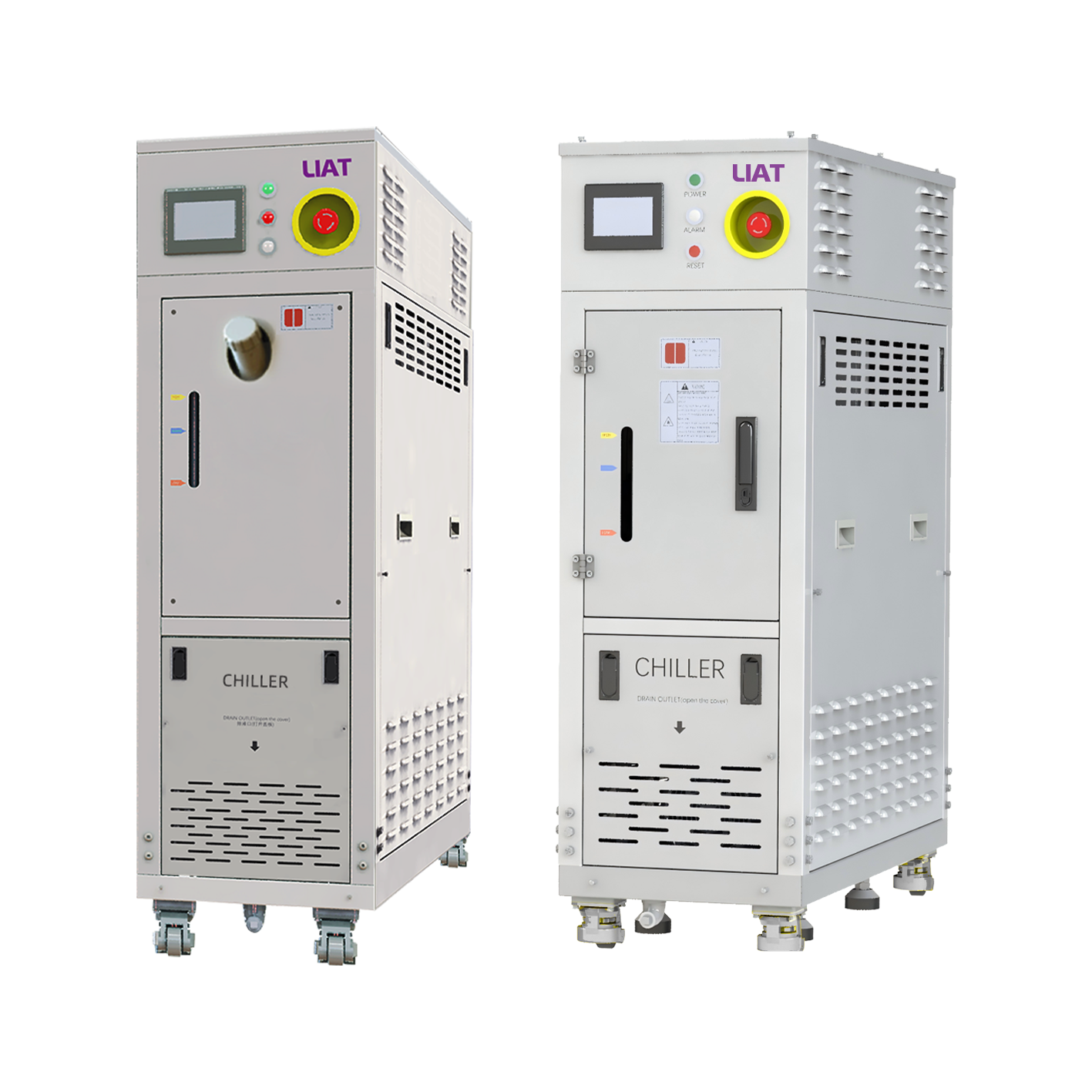
This is where an industrial chiller can serve as part of a test infrastructure, provided its operating range and controls fit the loop. The industrial chiller is not the result by itself; piping, heat exchanger contact, coolant selection, sensors, and controller logic all affect what reaches the test article. Engineers should therefore evaluate the complete thermal path.
A suitable EV battery test cooling system also makes the test sequence more transparent. Instead of treating cooling as an unmeasured support function, the team can correlate thermal channels with electrical channels. If a run diverges, recorded fluid and device data provide a starting point for troubleshooting.
Four checks before comparing two test runs
- Confirm the initial condition. Use the EV battery test cooling system to bring the fixture and device to the specified starting condition, then define how stabilization is verified.
- Record the thermal path. Log supply temperature, return temperature, flow where available, and representative device temperatures. Sensor placement should be consistent from run to run.
- Challenge the control loop. Review performance during the highest expected thermal load, not only during idle circulation. An EV battery test cooling system may look stable before the electrical profile begins but respond differently once heat generation rises.
- Document boundaries. Note coolant type, hose configuration, fixture contact, ambient condition, control setpoint, and permitted deviation. These details make later comparisons more credible.
Choose the system around the test, not a headline specification
When evaluating an EV battery test cooling system, start with questions the test owner can answer: What temperature range is required? How quickly will heat load change? What coolant is compatible with the loop? How many channels or fixtures run at once? What connections, alarms, and data signals are required? From a common project-review sequence, checking heat load early often reduces later rework.
It is also useful to distinguish between a temperature-control requirement and a cooling-capacity requirement. Some programs need both cooling and heating across stages. Others need a narrow condition held while electrical equipment executes a repeatable profile. A configured EV battery test cooling system should be reviewed against those project conditions rather than selected from a temperature value alone.
For teams developing new-energy test capability, Lingheng Thermal Control Technology (Suzhou) Co., Ltd. focuses on precision thermal-control and thermal-management equipment. The useful engineering conversation begins with the temperature range, heat load, medium, connection requirements, controls, and maintenance conditions of the test setup—not with an unsupported promise about results.
A practical accuracy mindset
An EV battery test cooling system boosts test accuracy when it makes thermal conditions stable, measurable, and repeatable enough for the decision at hand. It does not replace a sound test procedure, calibration plan, or careful sensor strategy. Instead, it helps preserve the conditions that let those controls work together.
Before the next program starts, collect five items: the target temperature window, heat-load profile, coolant medium, fixture and connection layout, and the data channels needed for review. With those inputs, an EV battery test cooling system can be assessed as a controlled part of the test method rather than an afterthought.
 Hot News