
How a Pipeline Heating Jacket Delivers Even Heat Distribution
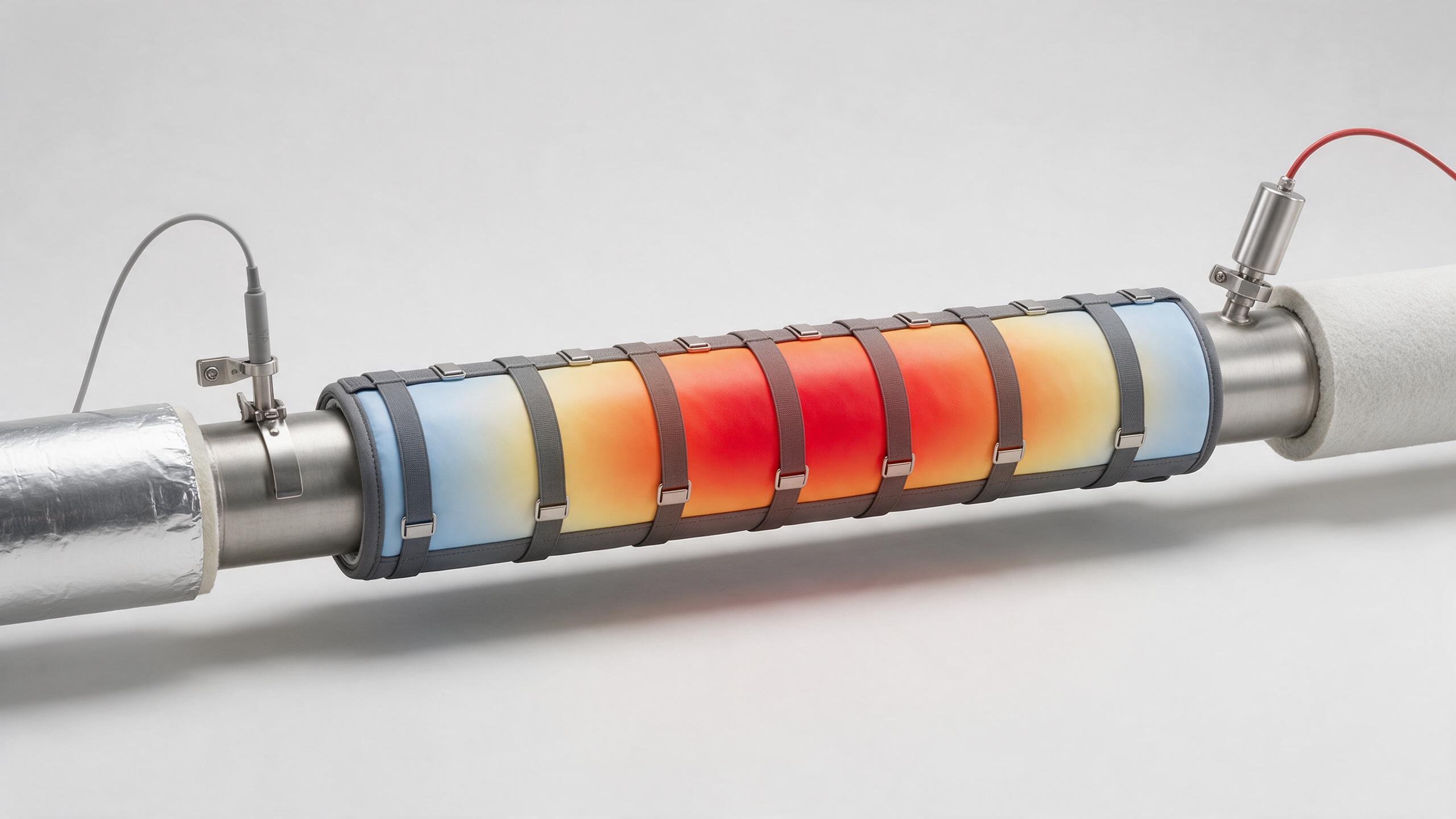
In process heating, a temperature reading at one point does not prove that the entire line is at the intended condition. A pipeline heating jacket is designed to place controlled heat around a section of pipe, helping the wall and the flowing medium move toward a more consistent temperature. Its value lies less in a single heater rating than in the relationship between coverage, contact, insulation, heat loss, and control feedback.
From an equipment-integration perspective, a pipeline heating jacket is not only a thermal component. It also has to work with the pipe geometry, fluid behavior, power arrangement, access requirements, and control logic. This is especially relevant where viscosity, crystallization tendency, startup conditions, or ambient exposure make temperature variation costly to manage.
Start with the heat path, not the heater wattage
A pipeline heating jacket transfers energy through layers. Heat leaves the electrical element or circulating medium, passes through the jacket construction, crosses the contact boundary, enters the pipe wall, and then reaches the process material. Every boundary adds resistance. If one area has poor contact, an air gap, a loose closure, or less insulation, that area can lag behind the rest of the line even when the nominal heater output looks adequate.
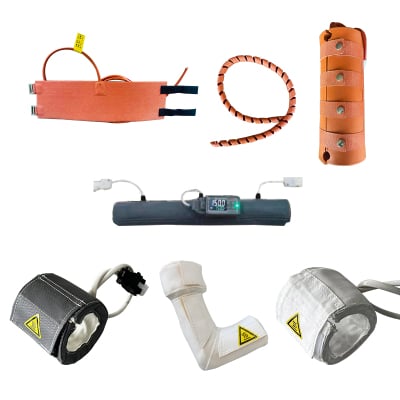
That is why even heating begins with the physical fit of the pipeline heating jacket. A jacket shaped for the actual outside diameter and fittings is more likely to maintain repeatable contact than a loose wrap forced around bends, valves, or supports. Engineers should map interruptions before choosing the heated length: flanges, instruments, branches, clamps, and supports can all create local heat-loss paths.
How coverage and zoning influence uniformity
A continuous pipeline heating jacket does not mean every location needs identical power density. Straight runs, elbows, valve bodies, and exposed fittings can lose heat at different rates. A practical layout divides the line into zones that reflect those differences. Each zone can then be assessed for exposed surface, target temperature, ambient conditions, insulation thickness, and the thermal mass of the pipe and contents.
For a short, uniform run, one controlled zone may be suitable. Long lines, mixed diameters, or sections with frequent fittings often benefit from more than one zone. The purpose is not to add complexity for its own sake. It is to avoid a situation in which a sensor near the heat source reaches its setpoint while a distant elbow or valve remains colder. A pipeline heating jacket can support even distribution when the zoning follows the actual geometry.
Why contact pressure and insulation matter together
The jacket-to-pipe contact boundary is a major part of the design. A well-fitted pipeline heating jacket should hold its heated surface against the pipe consistently without damaging the jacket, compressing insulation incorrectly, or obstructing normal maintenance. Seams and fasteners deserve attention because they may become narrow strips of reduced contact if they do not close evenly.
External insulation then slows the escape of heat to the surroundings. Without it, the jacket may be asked to compensate for losses that vary with air movement, washdown, installation clearances, and weather. Insulation also helps reduce the contrast between the heated face of the pipe and the outside surface. The jacket and insulation should therefore be evaluated as a pair rather than as separate purchases.
- Confirm outside diameter, ovality, and the dimensions of fittings.
- Check that closures, removable sections, and cable exits do not create persistent gaps.
- Define insulation thickness and weather protection for the installed environment.
- Allow access for inspections, cleaning, and replacement of a pipeline heating jacket.
Controls turn heat input into temperature management
Evenly distributed hardware still needs a sensible control arrangement. A pipeline heating jacket can be controlled by a pipe-wall sensor, a process sensor, or a combination of sensors, depending on the objective. The sensor location should represent the condition that matters. Placing it only at the warmest point may lead the controller to reduce output before cooler regions catch up.
Control tuning must also account for thermal lag. The pipe wall responds before the bulk material, while insulation slows cooling after power is reduced. In some applications, a staged heat-up profile is easier to manage than applying full output until a single sensor reaches setpoint. Where electrical resistance heating is involved, IEEE 515 is a useful design, installation, testing, and maintenance reference; project requirements and local regulations still need separate confirmation.
Temperature mapping during commissioning provides a reality check. Measure several locations along the line and around critical components, then compare the readings during warm-up and steady operation. Initial conclusions can be made from this exercise, but the operating load, medium, ambient conditions, and sensor placement should be recorded as the next items to verify.
What changes at bends, valves, and transitions
Uniformity challenges rarely occur on a plain straight pipe alone. Bends add surface area and may be harder for a pipeline heating jacket to contact. Valves and strainers add mass, create irregular shapes, and may need removable sections for service. A transition between insulated and uninsulated pipe can create an abrupt heat-loss boundary. Rather than assuming a standard jacket pattern covers these details, include them in a heat-loss review.
This is where a system view helps. Review the piping, electrical supply, control signals, insulation, supports, and maintenance route together. Pipe, electrical, and control interfaces are worth checking item by item in the design phase. Treating a pipeline heating jacket as an isolated accessory can obscure the conditions that determine whether temperatures stay consistent after installation.
When an industrial water chiller belongs in the conversation
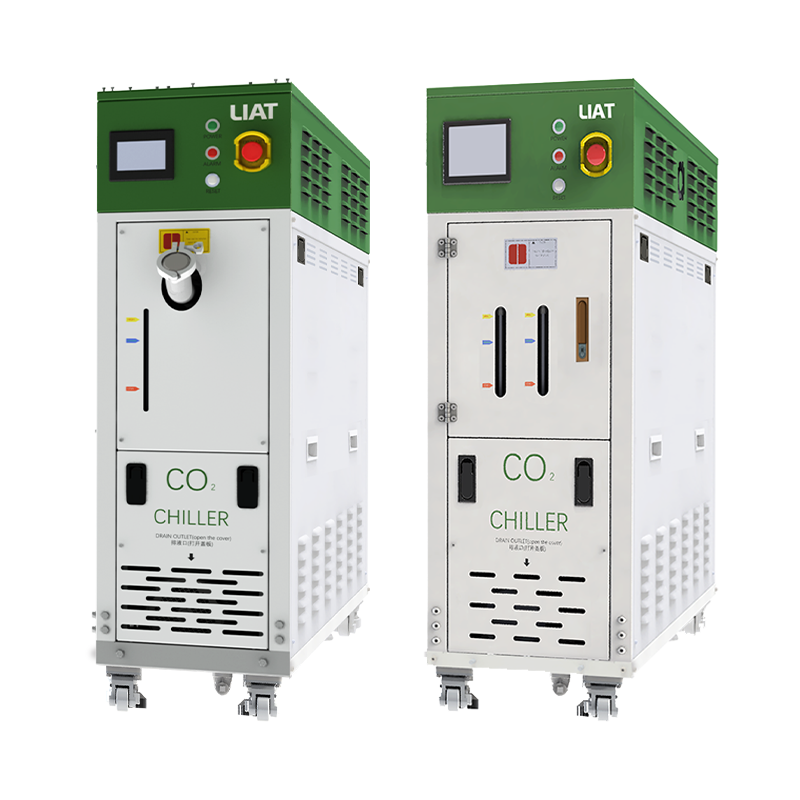
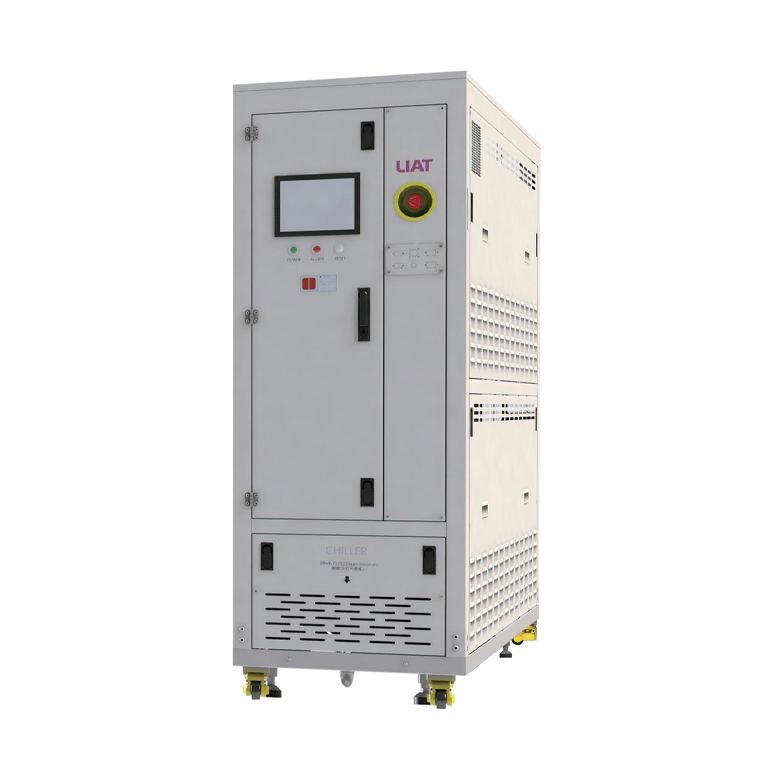
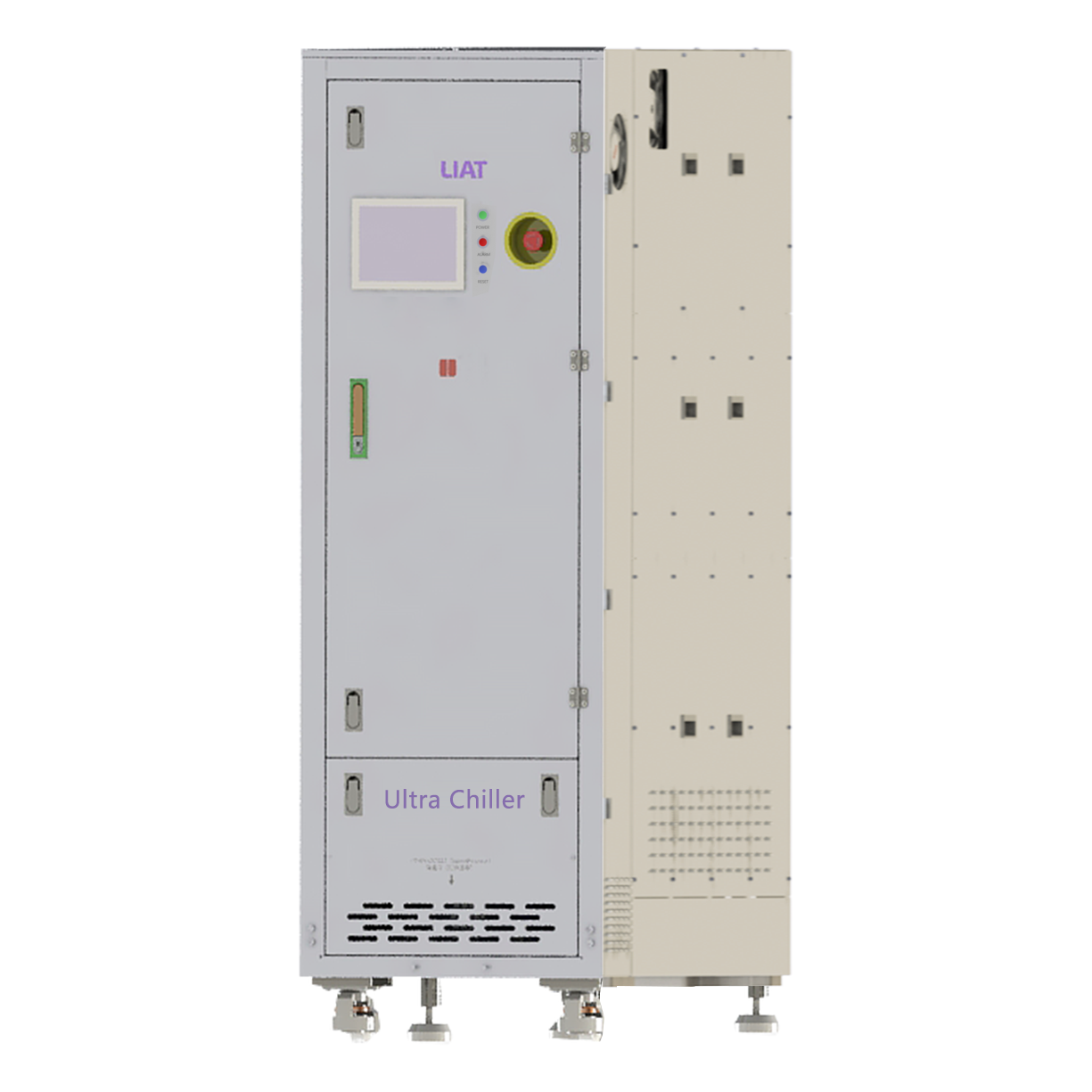
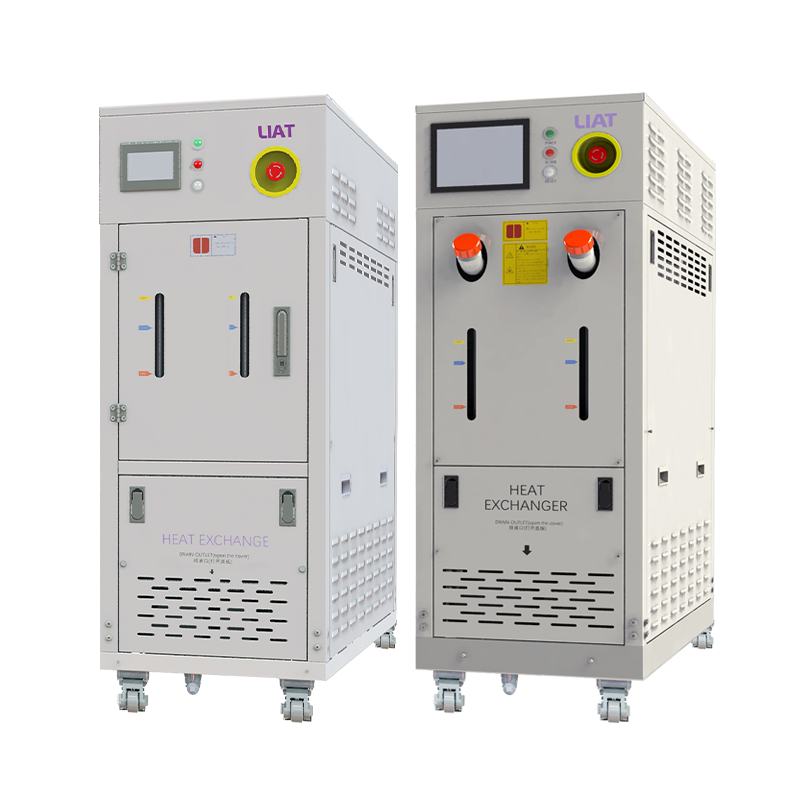
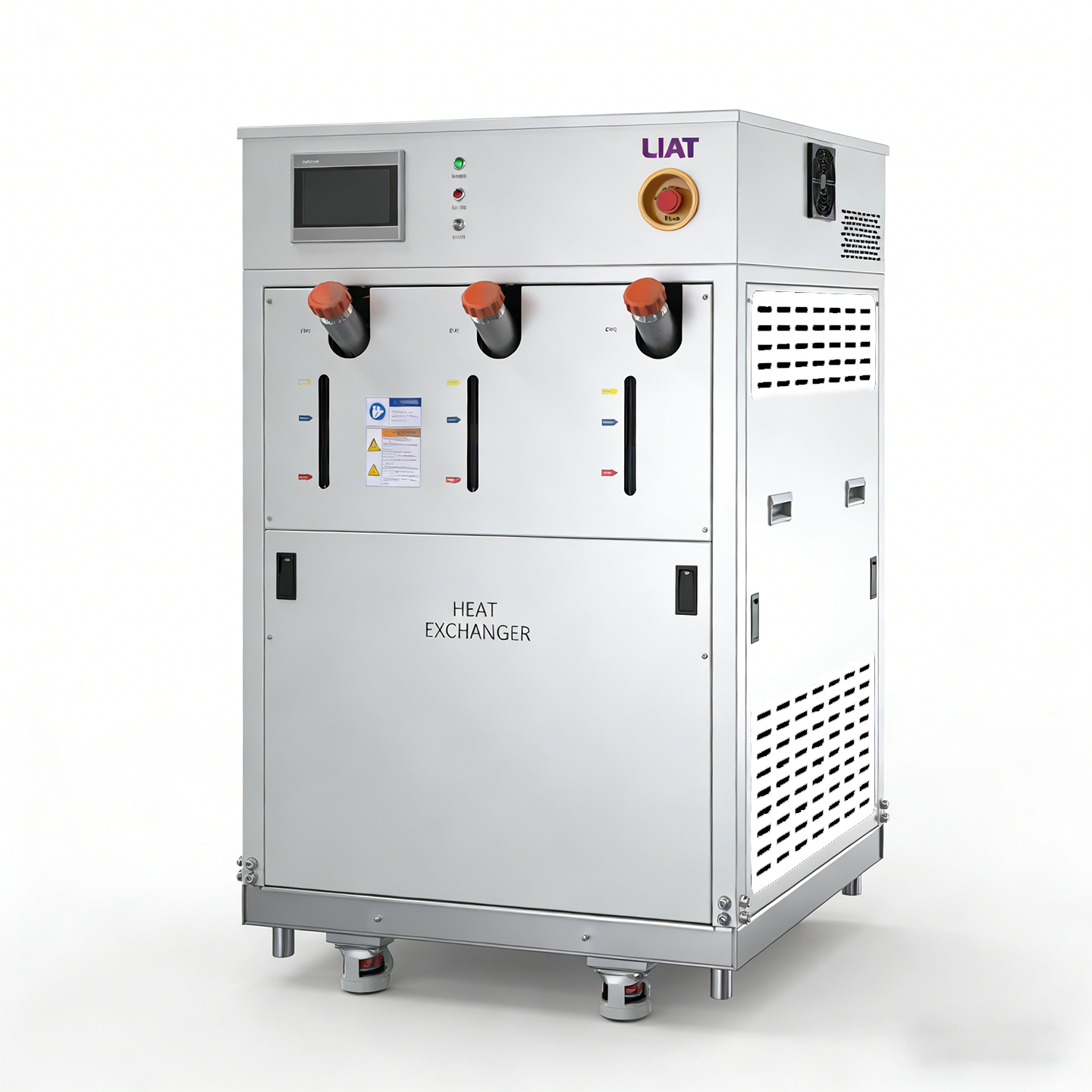
An industrial water chiller may appear unrelated to a heating jacket, but the two can be part of the same thermal-management plan. A process can have a heated transfer line while another stage requires heat removal, stable cooling-water supply, or controlled recovery after an exothermic step. The engineering question is not whether heating or chilling is universally preferable; it is which temperature duty exists at each point in the process and when it occurs.
For example, a pipeline heating jacket may keep material mobile during transfer, while an industrial water chiller supports a downstream cooling loop or equipment heat load. The interfaces should be clearly separated in the control philosophy so that one system is not expected to offset an unaccounted-for duty from the other. Specify the temperature range, heat load, medium, flow behavior, and operating sequence before finalizing either side of the system.
A field checklist for a pipeline heating jacket
- Define the target pipe-wall and process temperatures, including allowable variation.
- Calculate heat loss for the actual route, fittings, ambient conditions, and insulation plan.
- Choose a pipeline heating jacket configuration that follows the pipe diameter and service-access needs.
- Divide the system into control zones where geometry or heat loss changes materially.
- Locate sensors to represent the condition being controlled, not merely the warmest location.
- Verify power, grounding, protection, and maintenance requirements against the applicable project rules.
- Commission with multi-point temperature mapping and document the operating conditions.
Conclusion
A pipeline heating jacket delivers even heat distribution when its coverage, contact, insulation, zoning, and controls are designed as one system. The label wattage alone cannot describe field performance. By checking the thermal path and the surrounding interfaces before installation, teams can make more informed decisions about the conditions that need validation and the measurements needed during commissioning.
 Hot News