How Does a New Energy Low Temperature Chiller Improve Sustainability
Dec 11, 2025
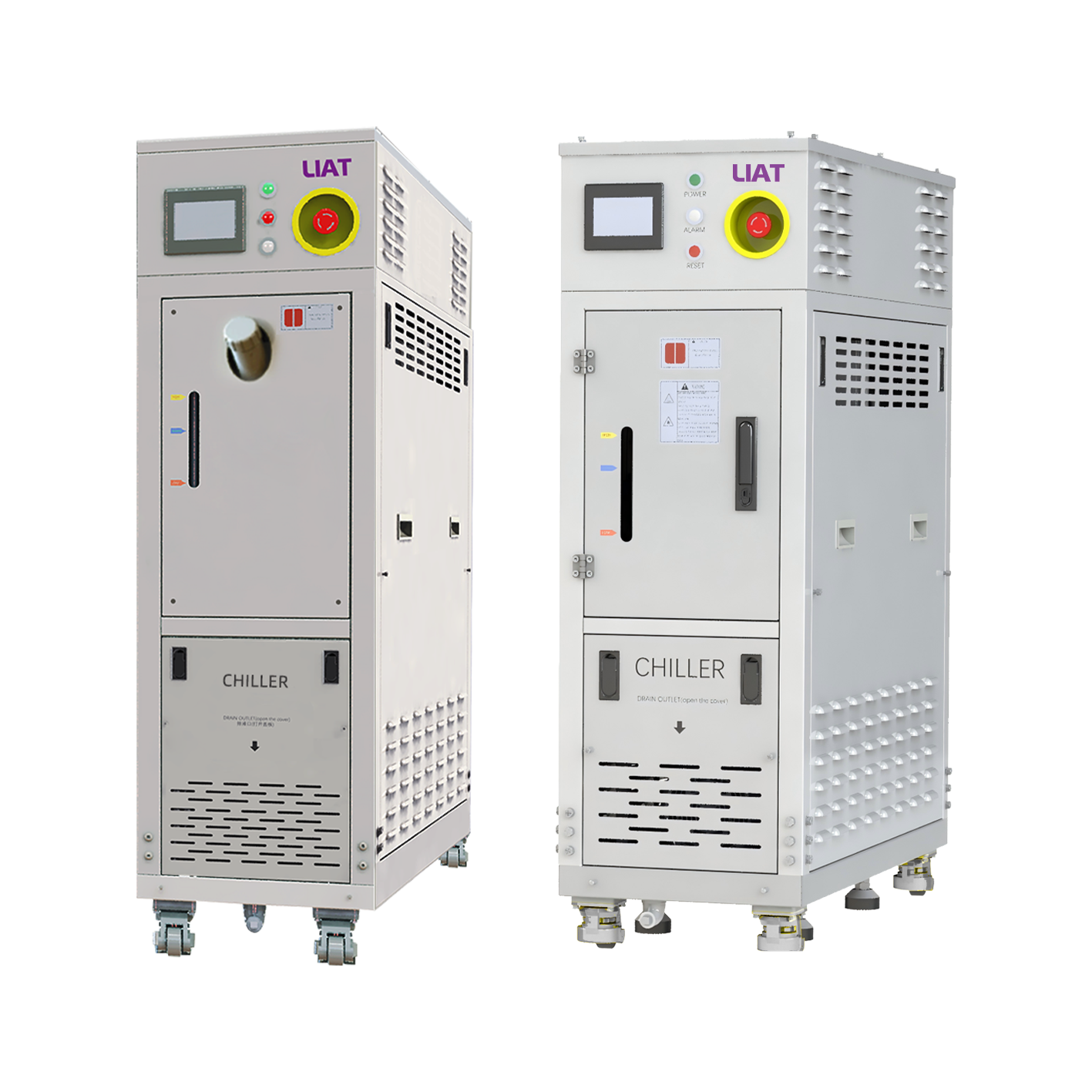
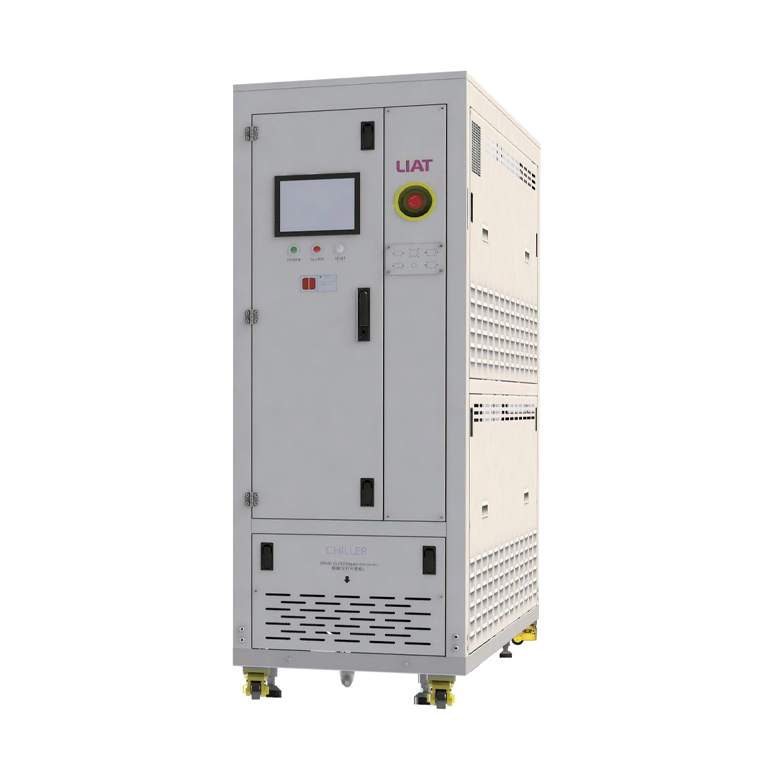
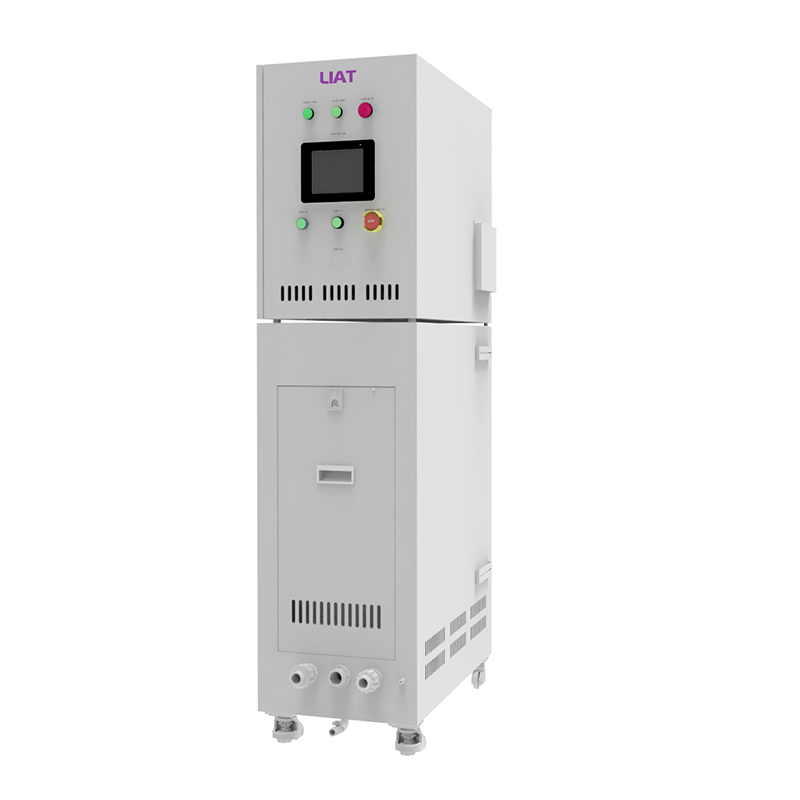
In the global pursuit of carbon neutrality, industries like semiconductor manufacturing, new energy vehicle production, and data centers are increasingly seeking eco friendly cooling solutions. Traditional chillers often rely on high energy consumption and refrigerants with high global warming potential, which conflict with sustainability goals. LIAT, a leading provider of thermal management solutions with over 12 years of expertise, has developed the new energy low temperature chiller to address this challenge. As part of Suzhou Lingheng Precision Industry Co., Ltd., LIAT's new energy low temperature chiller integrates advanced technologies such as precision temperature control (±0.1°C accuracy) and eco friendly refrigerants, making it a key driver for industries to reduce carbon footprints while meeting strict cooling needs.
Core Eco Friendly Technologies of LIAT's New Energy Low Temperature Chiller
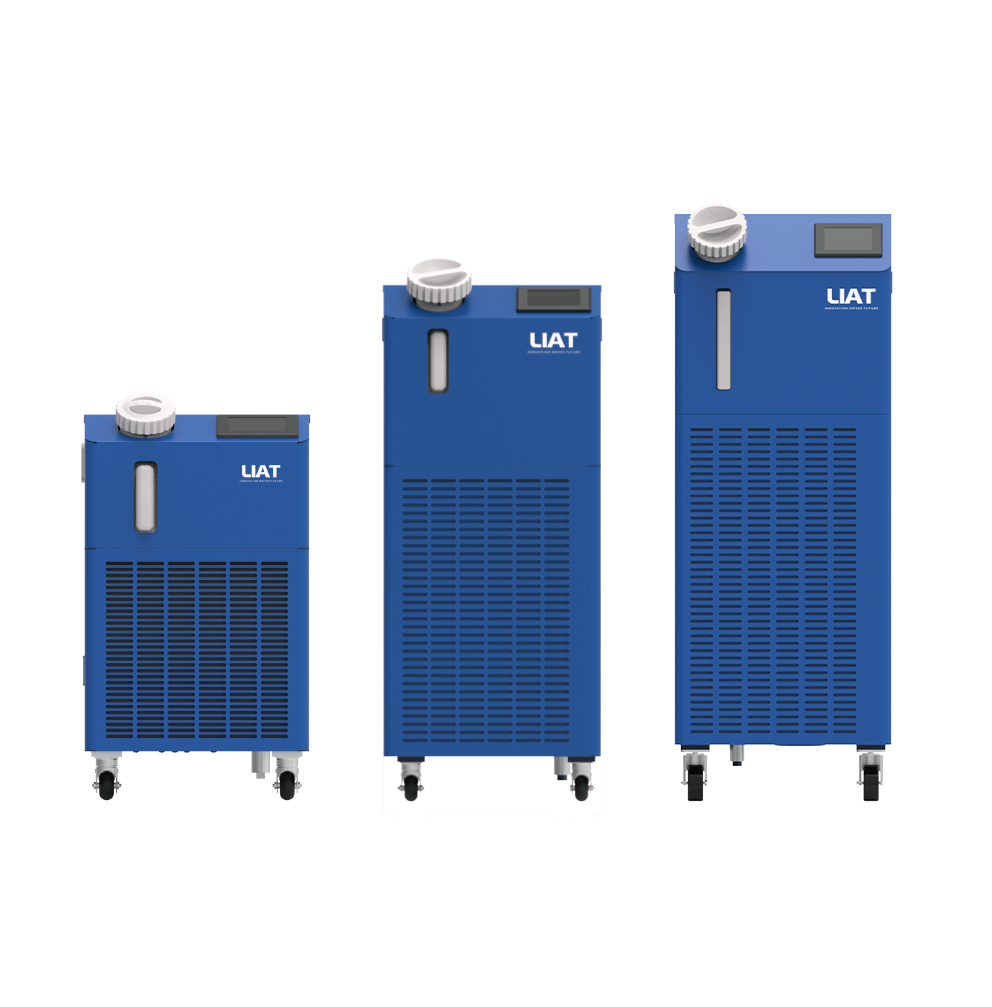
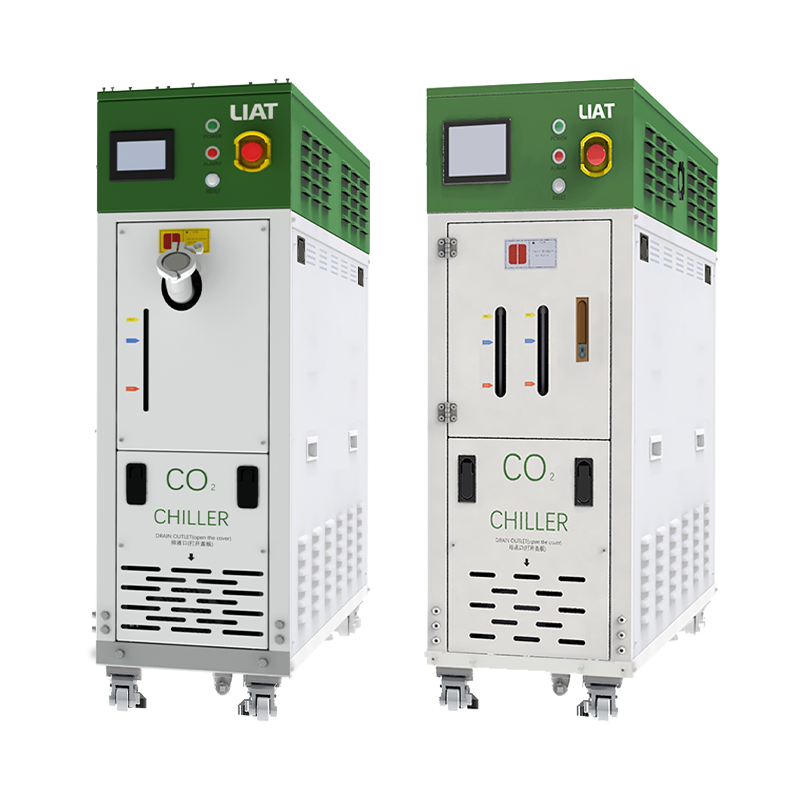
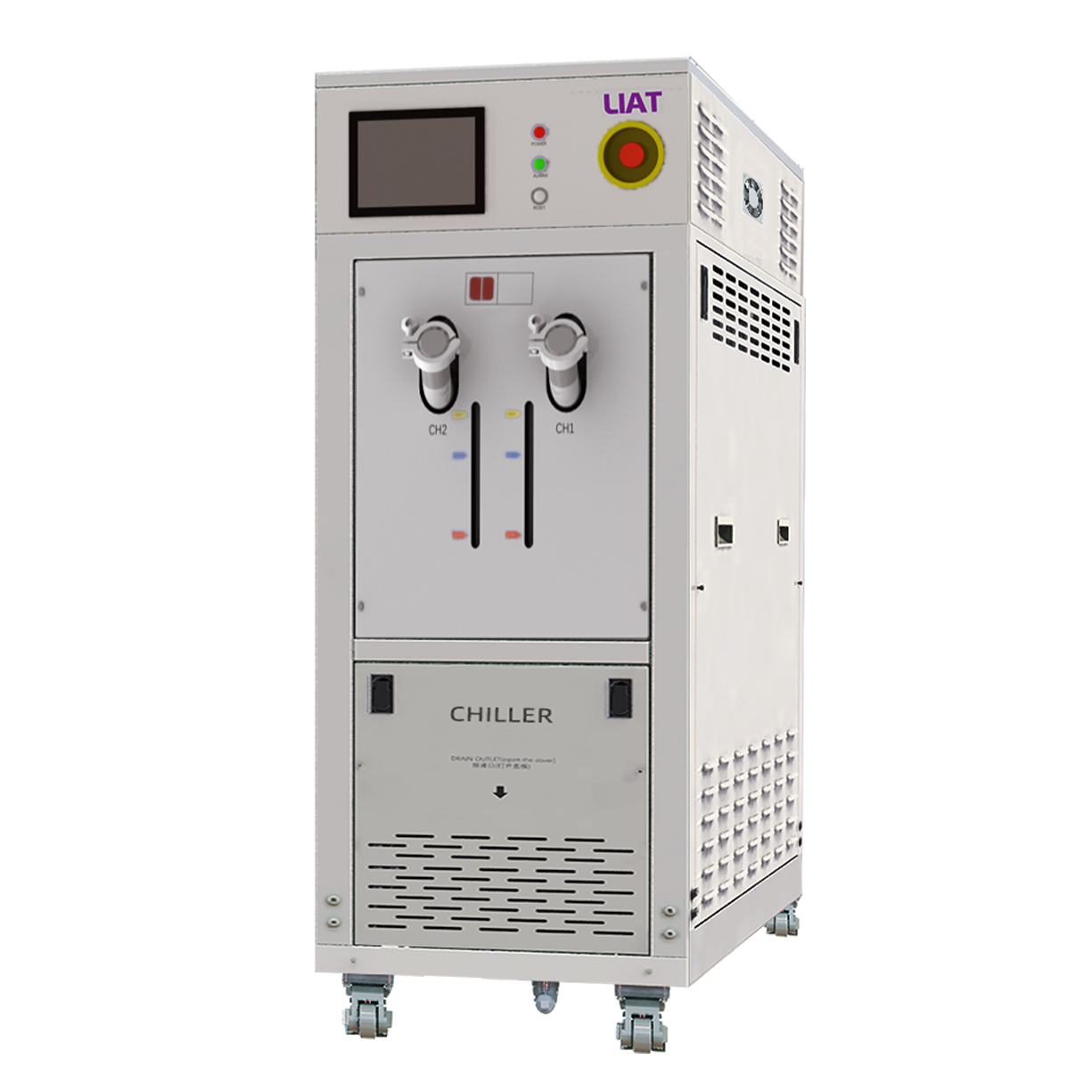
LIAT's new energy low temperature chiller adopts three core technologies to boost sustainability. First, it uses CO2 as a refrigerant, which has a global warming potential (GWP) of 1 and zero ozone depletion potential (ODP), fully complying with international regulations like the Kigali Amendment. This eliminates risks of future carbon taxes and reduces environmental impact. Second, the chiller is equipped with an energy saving inverter system. It adjusts compressor speed based on real time cooling demand, cutting energy consumption by 20% compared to traditional fixed speed chillers. Third, the dual channel heat exchanger design enhances heat transfer efficiency by 15%, ensuring the chiller maintains stable performance even at low temperatures (-100°C to +200°C range) while minimizing energy waste. These technologies work together to achieve both high efficiency and environmental friendliness.
Application of LIAT's New Energy Low Temperature Chiller in New Energy Sectors
LIAT's new energy low temperature chiller plays a vital role in improving sustainability across new energy sectors. In EV battery testing, the chiller provides precise low temperature control (down to -40°C) to simulate extreme weather conditions, ensuring battery safety and performance without excessive energy use. For example, a leading EV manufacturer in China uses LIAT's new energy low temperature chiller to test battery modules, reducing test cycle energy consumption by 25% and cutting annual carbon emissions by 18 tons. In solar panel production, the chiller cools manufacturing equipment, maintaining stable temperatures that boost panel conversion efficiency while using solar derived electricity, creating a closed loop of green energy use. These applications demonstrate how the chiller integrates with new energy industries to enhance overall sustainability.
Energy Efficiency and Carbon Reduction Performance of LIAT's Chiller
LIAT's new energy low temperature chiller delivers outstanding energy efficiency and carbon reduction results. Its coefficient of performance (COP) reaches 4.2 at standard operating conditions, far exceeding the industry average of 3.5. This high COP means the chiller produces more cooling output per unit of energy input. In a semiconductor fab application, the chiller reduced the facility's cooling related energy costs by 30% within six months of installation. Additionally, the chiller's ability to use waste heat further enhances sustainability. It recovers waste heat from cooling processes and redirects it to heat factory spaces or preheat water, reducing reliance on separate heating systems. A data center using LIAT's new energy low temperature chiller reported a 12% drop in overall carbon emissions, thanks to both energy savings and waste heat reuse.
Quality Control and Long Term Sustainability Support by LIAT
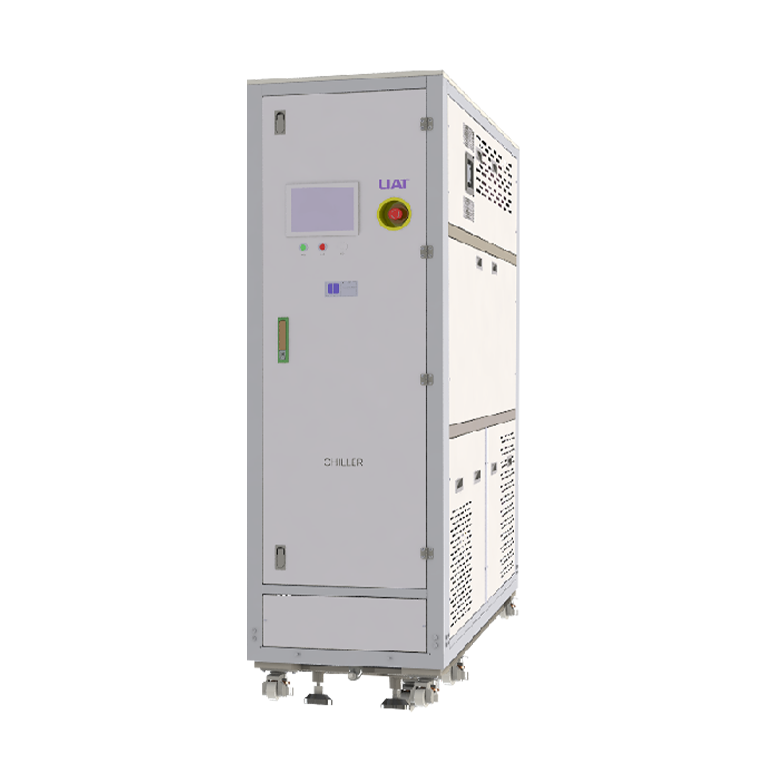
LIAT ensures the long term sustainability of its new energy low temperature chiller through strict quality control and comprehensive support. All chillers undergo 24 hour continuous testing in Class 100 cleanrooms to verify energy efficiency and environmental performance before delivery. LIAT also provides a lifetime maintenance service, offering regular inspections to optimize chiller operation and replace worn parts with eco friendly alternatives. For instance, when a European solar energy client faced a 5% efficiency drop in their chiller after three years, LIAT's technical team conducted a remote audit, adjusted the inverter parameters, and replaced a filter with a recyclable version—restoring efficiency and extending the chiller's lifespan by 5 years. This long term support ensures the chiller maintains sustainable performance throughout its service life.
Why LIAT's New Energy Low Temperature Chiller is a Sustainable Choice
In conclusion, LIAT's new energy low temperature chiller improves sustainability through eco friendly technologies, energy efficiency, and targeted applications in new energy sectors. Its use of CO2 refrigerant, inverter system, and efficient heat exchangers reduces environmental impact and energy use. Practical applications in EV battery testing and semiconductor manufacturing validate its ability to cut carbon emissions while meeting industry demands. Backed by LIAT's 12 years of thermal management expertise, strict quality control, and lifetime support, the chiller offers a reliable, long term sustainable cooling solution. For businesses aiming to achieve carbon neutrality, LIAT's new energy low temperature chiller is not just a cooling device but a strategic tool to advance sustainability goals.
 Hot News