Why Semiconductor Chiller Reliability Drives Fab Throughput
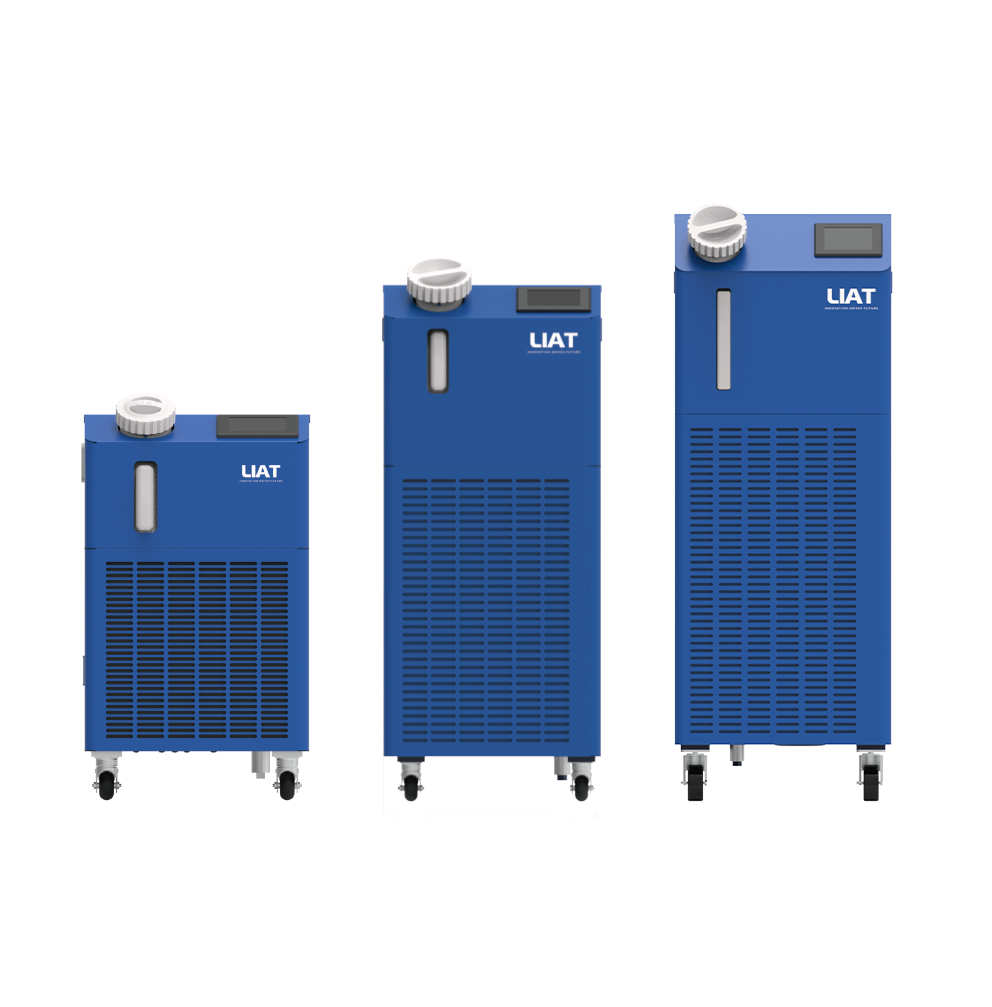
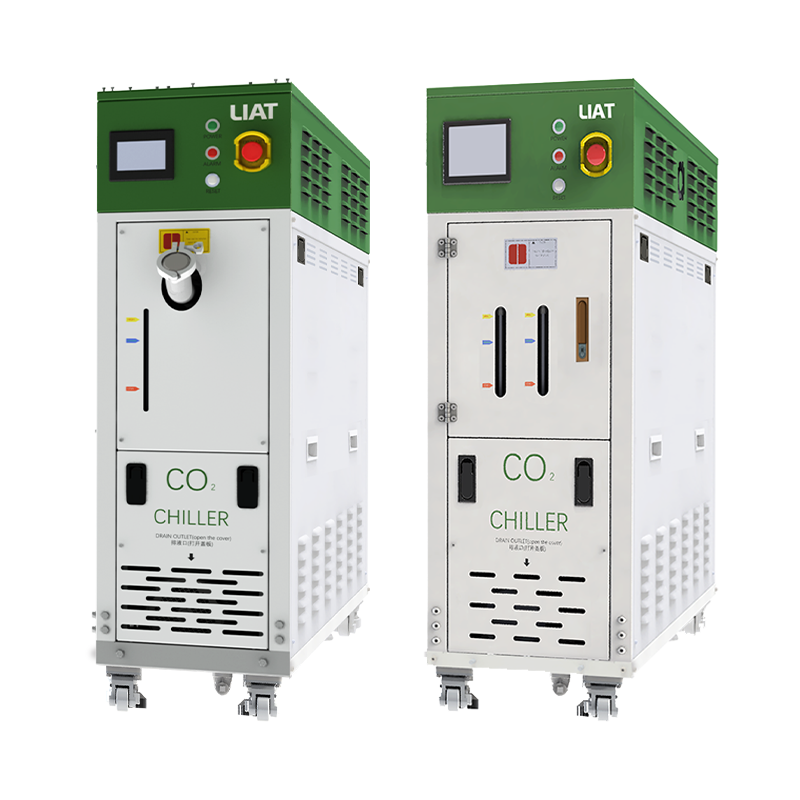
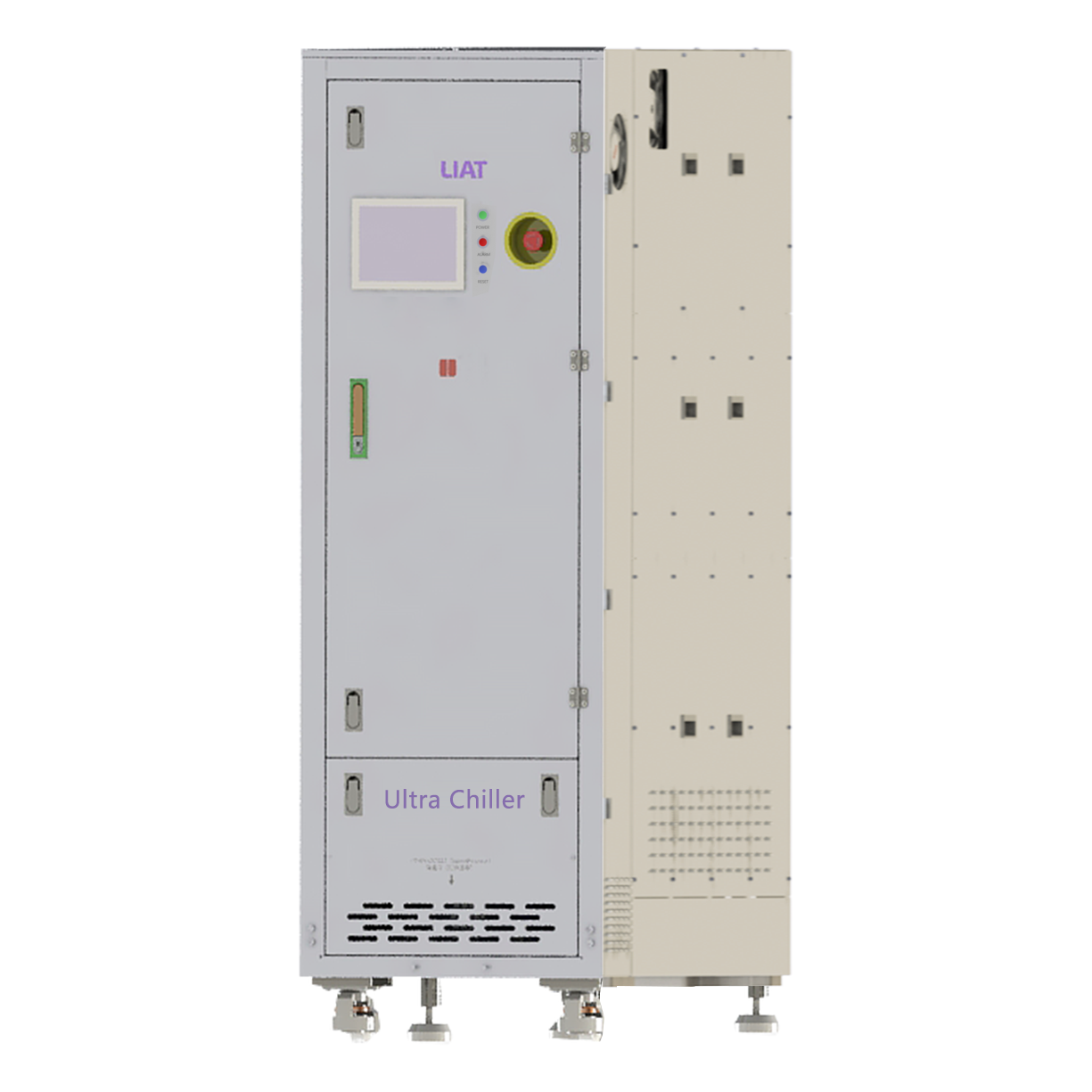
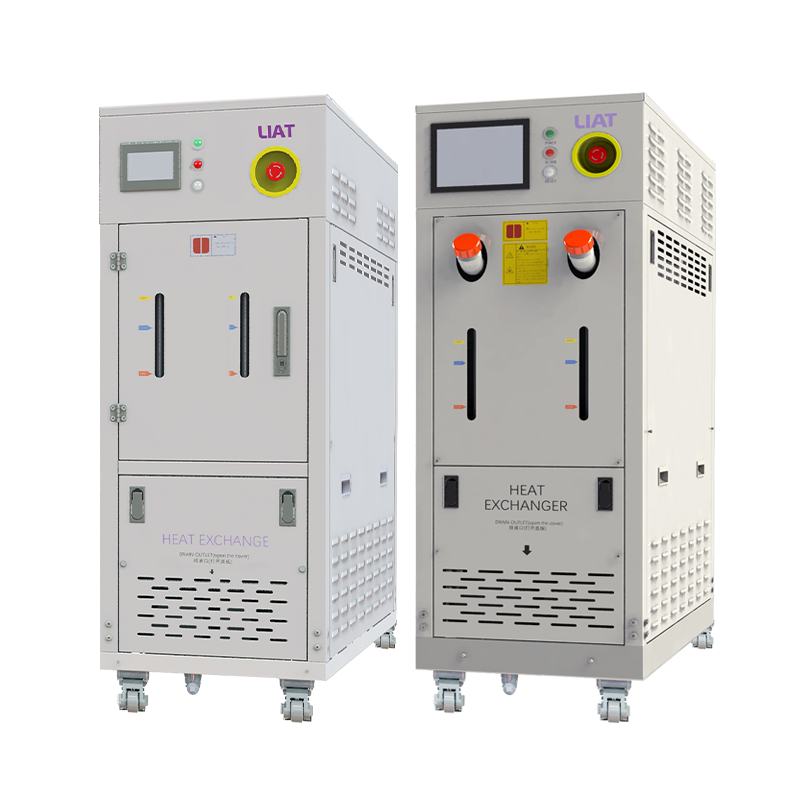
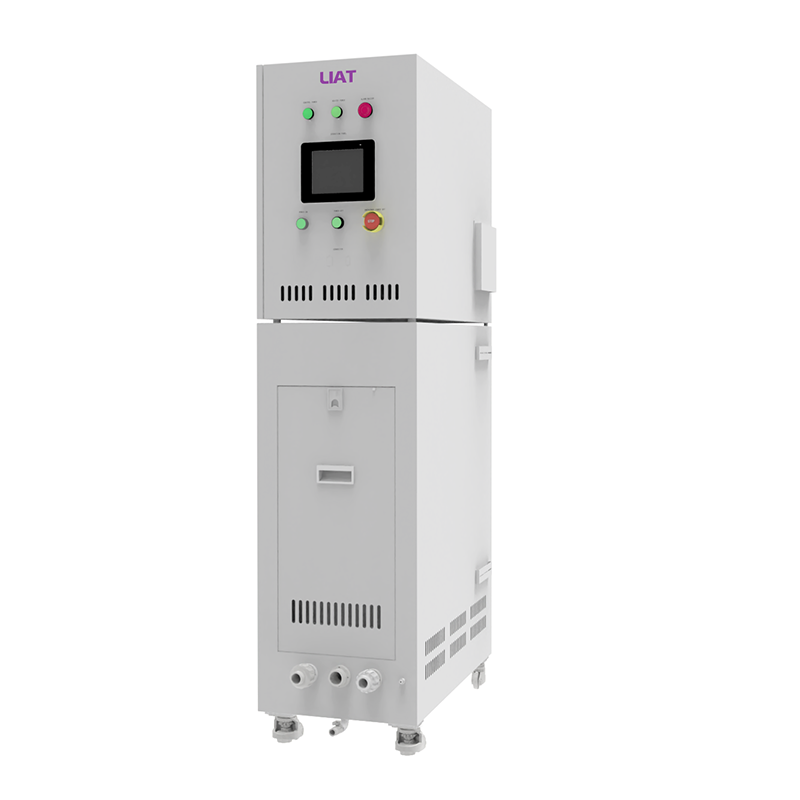
In a fab, a semiconductor chiller is easy to notice only when it stops doing its job. Yet its value is not limited to holding a coolant setpoint. It helps keep a tool’s thermal environment predictable while wafers, optics, chambers, power electronics, or test fixtures move through planned operating cycles. When that environment drifts or becomes unavailable, the effect can spread beyond one utility skid: a tool may pause, a process may need requalification, and dispatch priorities may change. That is why semiconductor chiller reliability deserves to be discussed as an operations issue, not simply as an equipment feature.
From an equipment-integration perspective, reliability is not a promise that a chiller cannot experience a fault. It is the ability of the cooling function, controls, fluid path, alarms, and service process to support a defined operating condition consistently and to make abnormal conditions visible early. A reliable semiconductor chiller therefore contributes to throughput by reducing avoidable interruptions and by making recovery more orderly when an interruption does occur.
Throughput depends on more than tool cycle time
Fab throughput is often described in terms of wafer starts, tool availability, cycle time, and yield. Thermal control touches each of these metrics indirectly. A tool that cannot establish or maintain the required thermal condition may be held from production, placed in an alarm state, or returned to engineering review. Even a short interruption can create a longer operational consequence if operators must stabilize the tool, verify process conditions, inspect the fluid circuit, and document the restart.
The link is especially important because semiconductor equipment generates significant heat and uses cooling water or other heat-transfer fluids as part of its thermal-management approach. NIST’s semiconductor work also illustrates a broader point: reliable thermal-property measurement and reliable thermal conditions matter wherever materials and processes must be evaluated carefully. These facts do not prescribe one temperature tolerance for every fab. They do show why a stable, verifiable thermal environment belongs in the production conversation.
An industrial chiller may look adequate when compared only by nominal capacity. In practice, fab throughput is affected by whether the unit matches the real duty profile: steady heat load, transient excursions, target temperature range, fluid compatibility, available utilities, control signals, and maintenance access. If heat load changes materially during a recipe or test sequence, a nameplate value alone is not enough to predict operating behavior.
How reliability failures turn into production interruptions
A chiller-related event does not have to be catastrophic to consume production time. Consider a few common pathways:
- Temperature instability: A drifting supply temperature can trigger a tool interlock or force operators to wait until conditions are back within the approved process window.
- Flow or pressure disruption: A blockage, pump issue, air ingress, or poorly understood pressure drop can reduce heat-transfer consistency and require troubleshooting at both the recirculating chiller and the connected tool.
- Control or communications mismatch: If alarm logic, remote signals, or fault handling are unclear, a recoverable utility event can become a longer coordination exercise between facilities, maintenance, and process teams.
- Slow recovery: After a trip, stable restart behavior matters. A unit that returns to service without a clear sequence for confirming temperature, flow, and alarm status can delay tool release.
- Maintenance uncertainty: When service tasks are deferred or difficult to perform, small changes in fluid quality, filters, fittings, sensors, or heat-exchange performance may be discovered only after they affect operation.
These are not universal failure predictions. They are reasons to map the whole cooling path. A semiconductor chiller should be considered together with piping, quick-connect interfaces, control wiring, facility water conditions where applicable, and the tool’s own interlock logic. Put differently, the reliability question extends from the unit to the system around it.
What a fab-focused reliability review should verify
Before comparing an industrial cooling system, teams can reduce ambiguity by documenting the conditions that define acceptable operation. This is more useful than asking for a generic assurance of uptime. A practical review includes the following checks.
- Define the thermal duty. Confirm the required supply-temperature range, expected stability requirement, heat-load profile, ramp expectations, ambient conditions, and whether cooling and heating phases occur in the same application.
- Confirm the fluid path. Identify the heat-transfer medium, material compatibility, cleanliness expectations, required flow range, pressure constraints, filtration needs, and points where air or contamination could enter.
- Map interfaces and safeguards. Verify electrical supply, communications protocol, remote start/stop behavior, alarm outputs, interlocks, emergency behavior, and how the tool recognizes a recovered condition.
- Review fault visibility. Operators need alarms that identify a condition clearly enough to start the right response. Maintenance teams need trendable signals and accessible diagnostic information to distinguish a unit issue from a load-side or facility-side issue.
- Plan service around production reality. Ask which inspections, cleaning activities, consumables, and calibration checks are needed; what access is required; and how a planned intervention can be scheduled without creating an unexpected production constraint.
The discipline here is simple: first confirm the operating conditions, then evaluate the equipment. An industrial chiller cannot be assessed responsibly without the target temperature, thermal load, fluid, and interface conditions that give its performance meaning.
A semiconductor chiller reliability scorecard
Use a shared scorecard before approving an installation or planned change. It keeps the semiconductor chiller, the industrial chiller selection, and the connected industrial cooling system in the same operational discussion.
| Review point | What the team should confirm | Why it matters to throughput |
|---|---|---|
| Semiconductor chiller duty | Confirm the semiconductor chiller setpoint range, load profile, and recovery expectation. Recheck the semiconductor chiller duty when the recipe, tool, or facility condition changes. | A semiconductor chiller evaluated against the real duty is less likely to introduce an avoidable hold. |
| Industrial chiller integration | Verify how the industrial chiller communicates alarms, whether the industrial chiller can be isolated safely, and how the industrial chiller is returned to service. | The industrial chiller recovery sequence should be understood before an event, not reconstructed during a production interruption. |
| Recirculating chiller fluid path | Check the recirculating chiller flow, fittings, filtration, and fluid condition. A recirculating chiller also needs a documented response for pressure or flow alarms. | A stable recirculating chiller loop helps teams distinguish utility conditions from tool-side conditions. |
| Industrial cooling system service | Plan access, inspection tasks, and replacement parts for the industrial cooling system. Confirm that the industrial cooling system monitoring signals are available to the people who respond. | A maintainable industrial cooling system makes planned work more predictable and fault diagnosis faster. |
Reliability design is also recovery design
For throughput, the more suitable response is not necessarily the fastest reset button. It is a defined recovery path that protects the process. Teams should agree on what must be checked after a temperature, flow, power, or communications event; who owns each check; what records are needed; and what conditions permit the connected tool to resume. This creates a boundary between a quick utility reset and a controlled return to production.
Redundancy may be appropriate for some applications, but it is not a substitute for integration. A standby semiconductor chiller still needs compatible connections, documented isolation and switchover procedures, validated control behavior, and maintained readiness. The same principle applies to a recirculating chiller selected for a test cell: availability depends on the full recovery sequence, not just the presence of spare capacity.
Turn cooling reliability into a throughput conversation
When discussing a semiconductor chiller, ask a more useful set of questions than “What capacity does it have?” Ask what thermal duty it must support, what events can interrupt the tool, what signals identify those events, how quickly conditions can be verified after a trip, and how maintenance is managed around the production schedule. Those questions make it easier to compare an industrial cooling system against the actual risks facing the application.
For a supplier discussion, a clear input package should include the target range, load profile, fluid and cleanliness requirements, expected interfaces, installation limits, alarm expectations, and maintenance constraints. Liatem’s thermal-management discussions can be organized around these conditions for semiconductor temperature-control equipment, rather than around unsupported universal claims. The final configuration should be confirmed against the specific tool, process, and site utility conditions.
Reliable cooling will not solve every throughput constraint in a fab. It can, however, remove a class of preventable uncertainty from the tool environment. By treating the semiconductor chiller as part of an integrated, monitored, and maintainable system, fabs can make thermal control a steadier foundation for planned production.
 Hot News