
How Etch Gas Line Heating Stabilizes Chamber Chemistry
In plasma etch, a gas recipe is only as repeatable as the condition in which each precursor reaches the chamber. Etch gas line heating is therefore not a cosmetic utility choice. It is a way to manage the thermal history of a delivered gas or vapor so that the composition, flow behavior, and timing at the chamber boundary are more consistent from run to run. From a semiconductor equipment integration perspective, the useful question is not whether every line needs heat; it is which chemistry, pressure, routing, and ambient conditions make etch gas line heating a process-control variable.
That distinction matters because a chamber can receive the correct setpoint, mass-flow command, and pressure control signal while the material arriving upstream of the showerhead has experienced a different thermal path. When a delivery path has cold points, large temperature gradients, or poorly understood warm-up behavior, etch gas line heating gives engineers a controllable condition to investigate alongside valves, filters, mass-flow controllers, and chamber wall temperatures.
Why delivery-line temperature affects chamber chemistry
Etch chemistry depends on the species entering a low-pressure reaction environment, their concentration, and their interaction with surfaces before and inside the chamber. For some gases the effect of a modest line-temperature change may be small. For condensable, reactive, or adsorption-sensitive chemistries, however, a cold fitting, regulator, or long uninsulated segment can change what is transported. Etch gas line heating helps keep the delivery path closer to a defined thermal condition rather than leaving it to room-temperature swings and local heat loss.
Hydrogen-halide delivery illustrates the boundary. One industry source notes that hydrogen fluoride has a 19.5°C boiling point and is often delivered at 2–5 psia, conditions that can make condensation in gas lines and purifiers a concern. That does not mean every etch process has the same sensitivity. It does show why engineers should evaluate etch gas line heating against a chemistry’s phase behavior, pressure, material compatibility, and supplier handling guidance rather than treating line temperature as an afterthought.
In a plasma reactor, changing the delivered mixture can shift dissociation pathways, wall interactions, polymer balance, or by-product behavior. The result may show up as a drift in etch rate, selectivity, profile response, chamber matching, or clean frequency. These are diagnostic possibilities, not proof that temperature is the sole cause. A well-scoped etch gas line heating review separates the gas-delivery path from chamber RF, pressure, wafer temperature, and hardware-condition variables.
Where thermal instability enters the delivery path
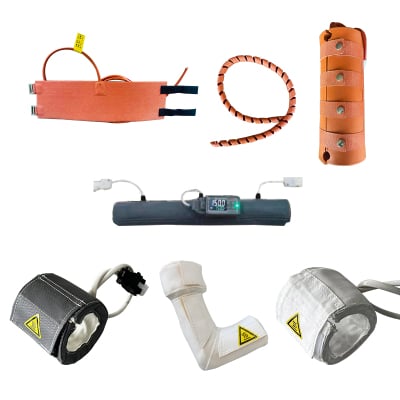
The heater jacket is only one part of the system. An etch gas line heating plan should map the path from source outlet to the chamber entry point: source cabinet, vaporizer or regulator where applicable, purifier, valve manifold, mass-flow controller, transfer tubing, fittings, and final distribution hardware. The lowest-temperature section or the least well-instrumented section can be more revealing than the controller setpoint itself.
- Transitions between zones: Different setpoints, insulation gaps, and exposed metal hardware can create localized gradients.
- Low-flow or idle periods: Heat loss and surface interaction have more time to influence the material held in a segment.
- Maintenance changes: A replaced fitting, altered tube route, or new insulation detail can alter the thermal path.
- Ambient variation: Cabinet ventilation, seasonal room conditions, and neighboring equipment can make a nominally stable line behave differently.
This mapping approach makes etch gas line heating easier to discuss with process, facilities, and equipment teams. Rather than asking for a generic hotter line, teams can define a controlled zone, the sensor location, the permissible deviation, and the evidence needed before changing a recipe or hardware setting.
How etch gas line heating supports repeatable delivery
The purpose of etch gas line heating is usually temperature consistency, not maximum temperature. A stable line can reduce unexplained thermal exposure between the source and chamber, particularly when the chemistry’s delivery requirements call for it. It can also make troubleshooting more disciplined: if a line-temperature history is logged with flow, pressure, and process results, engineers can test whether excursions correlate with chamber behavior.
A practical control architecture commonly includes a defined setpoint, independently placed temperature sensing, insulated sections where heat loss matters, over-temperature protection, and alarm handling that does not hide recurring excursions. For a new installation, etch gas line heating should be reviewed with electrical classification, gas-safety requirements, material compatibility, and the gas supplier’s operating guidance. Heater selection without that review may create a stable display temperature without confirming a stable gas condition.
Why cooling utilities still belong in the conversation
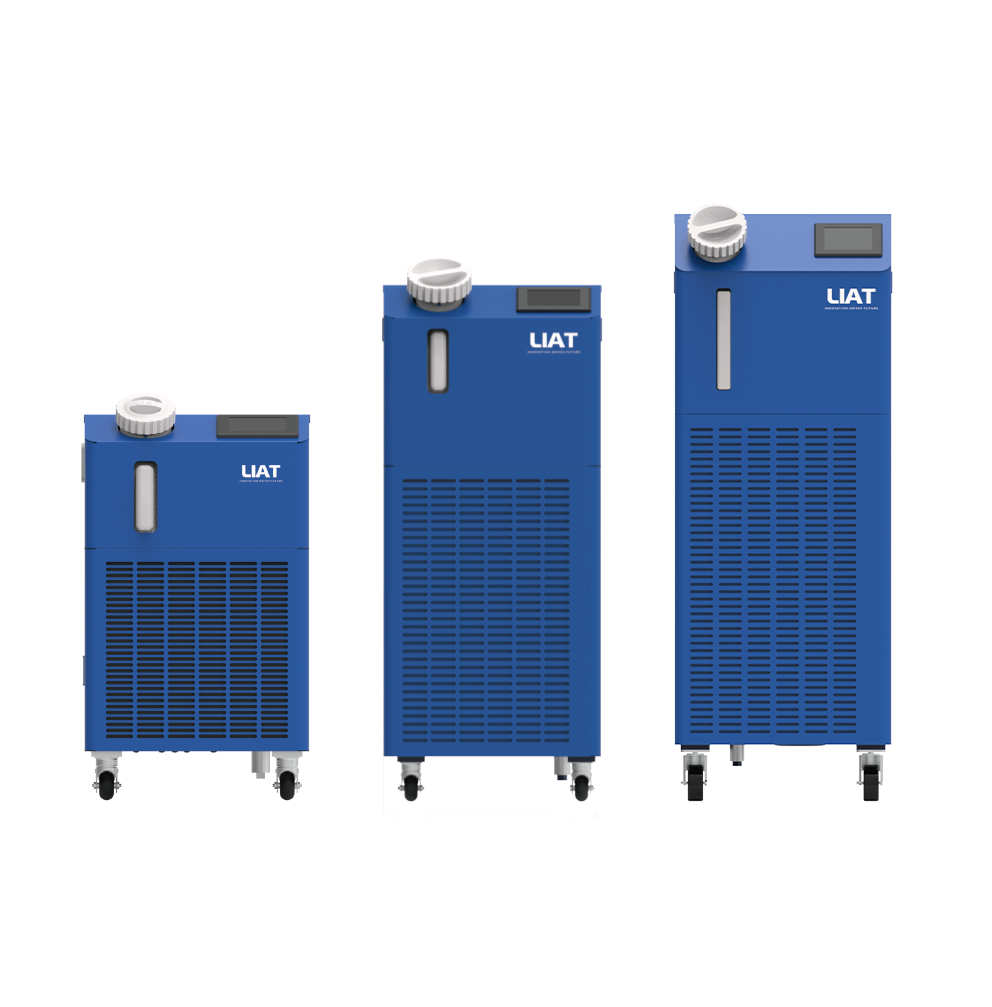
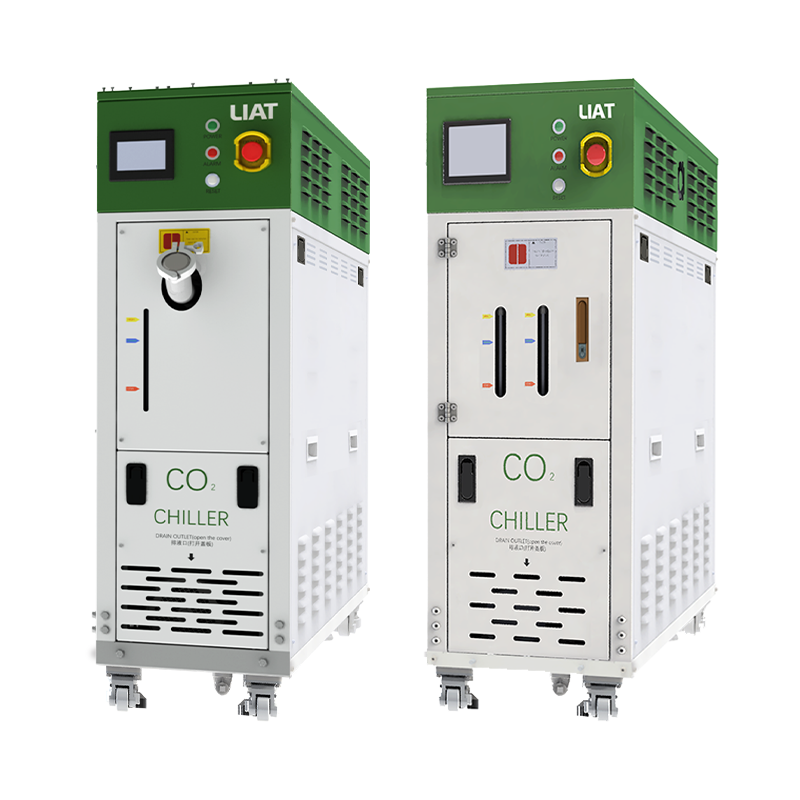
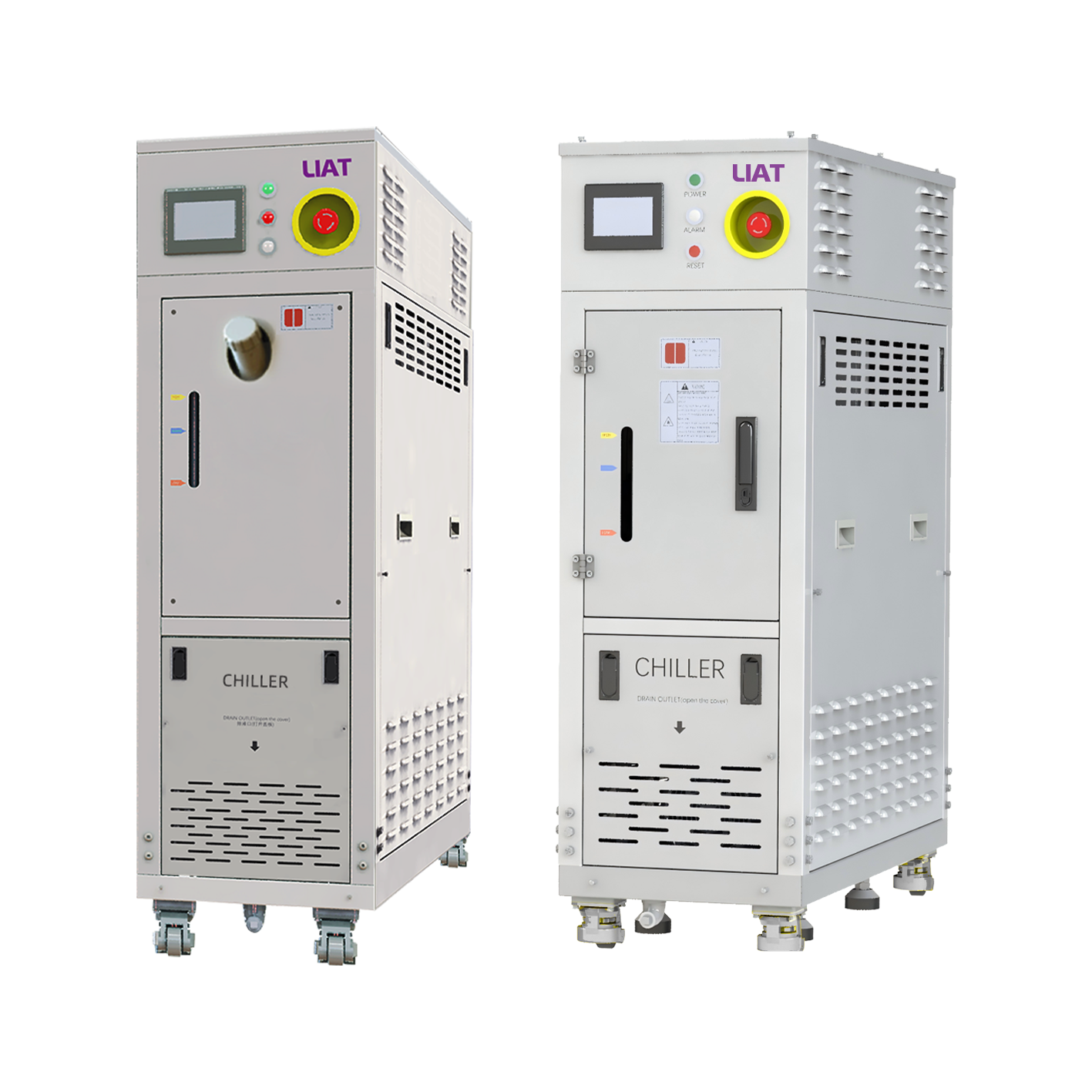
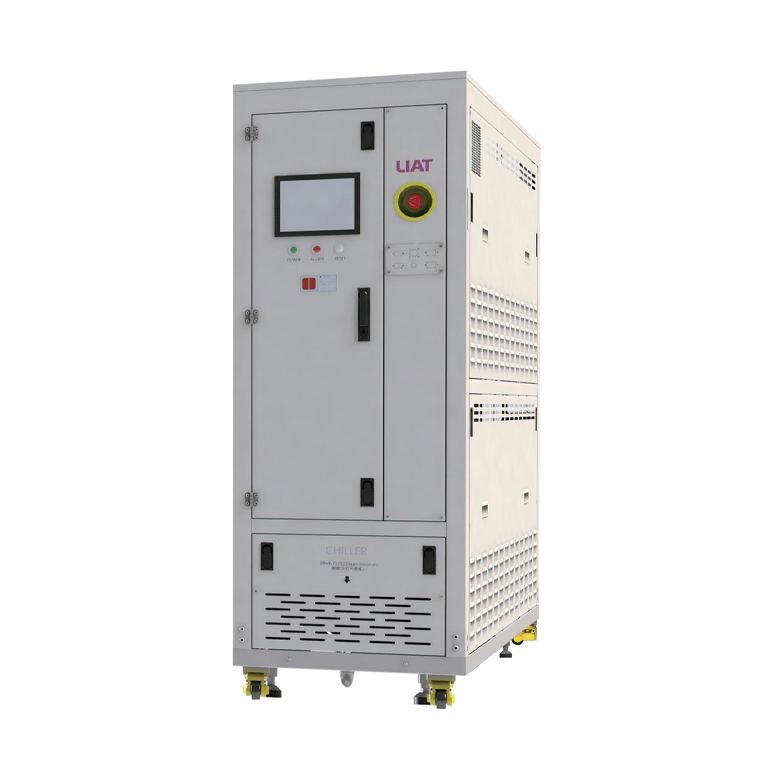
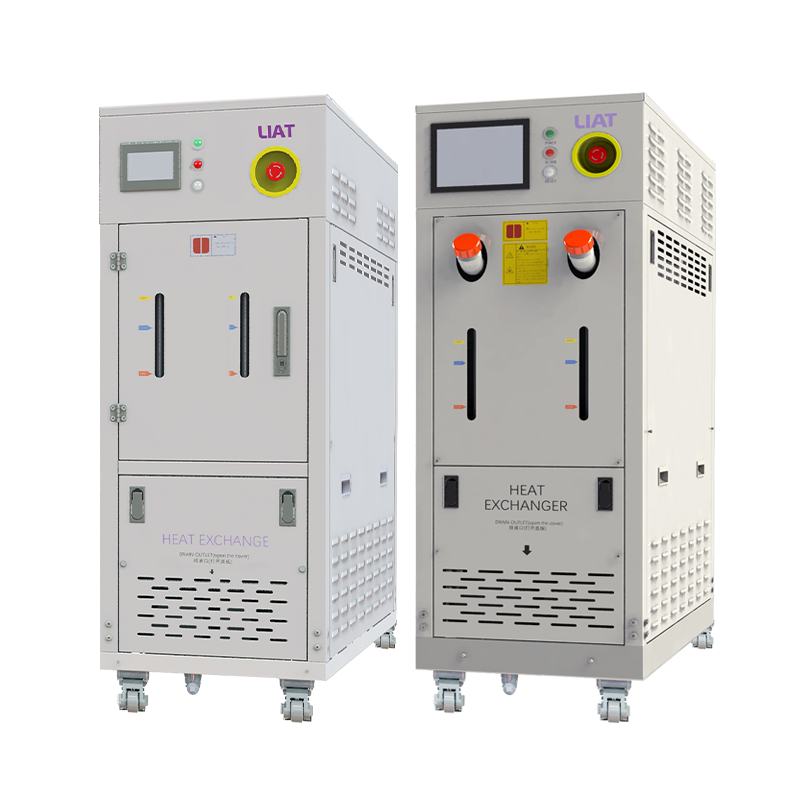
Heating a delivery line does not make the rest of the tool thermally irrelevant. Chamber hardware, RF components, pumps, and thermal-management loops can create their own heat loads and process interactions. An industrial water chiller may support other temperature-controlled subsystems in the equipment stack, but it should not be described as a substitute for line-zone control. The better systems view is to coordinate etch gas line heating with chamber cooling and heating boundaries so that one utility loop does not obscure another source of variation.
When reviewing an industrial water chiller, teams should confirm its assigned heat load, required supply-temperature stability, fluid compatibility, flow range, alarms, and interfaces. Those checks are separate from validating the delivered-gas temperature. Keeping the responsibilities distinct helps avoid an overly broad conclusion that a chiller setting alone explains a chemistry shift.
A verification sequence for etch gas line heating
- Define the chemistry and operating envelope. Gather approved handling documentation, pressure range, flow profile, and intended delivery temperatures.
- Draw the real thermal path. Include segments that are often omitted from diagrams, such as valves, filters, flexible sections, and final manifolds.
- Compare setpoints with measured temperatures. Check warm-up, steady operation, idle intervals, and recipe transitions before changing multiple variables at once.
- Review process evidence. Align temperature records with wafer-level metrology, chamber matching, maintenance notes, and pressure or flow alarms.
- Validate changes under controlled conditions. Use the tool’s approved qualification method and retain the operating limits that support the conclusion.
This sequence turns etch gas line heating into a documented engineering control rather than a response based only on a suspected cold spot. It also preserves an important boundary: a thermal correlation can guide the next test, but it does not replace chemistry-specific qualification.
Questions to resolve before changing a heater setpoint
Before altering etch gas line heating, ask what is known about the actual gas condition at the chamber-side boundary, whether all heat-loss locations are instrumented, and whether a recent maintenance event changed routing or insulation. Also confirm whether the apparent chamber change tracks a temperature excursion, a flow-controller behavior change, a pressure-control event, or a chamber condition change. In many cases, the most productive outcome is a narrower test plan rather than an immediate setpoint increase.
For semiconductor equipment teams, etch gas line heating is most valuable when it is treated as part of a coordinated delivery system. Defined zones, credible measurements, compatible materials, and a process-correlation plan give the team a clearer basis for deciding whether line temperature is contributing to chamber chemistry stability.
 Hot News