
What a Gas Delivery Line Heater Should Offer for Precision Tools
For a precision tool, a gas delivery line heater is not simply a warm section of tubing. It is part of the process-gas path, so its temperature behavior, materials, controls, and installation details can affect the conditions presented to the tool. From an equipment-integration perspective, the right gas delivery line heater starts with the actual gas, delivery pressure, flow profile, ambient exposure, and tool connection—not a catalog wattage alone.
Heating is often considered where a low-vapor-pressure process gas or precursor could condense as it travels. Holding a line above the relevant vaporization condition may help retain a usable gas phase, but the required temperature must be established for the specific material and operating envelope. A gas delivery line heater should therefore support a defined process window rather than invite a generic “hotter is better” setting.
Start with the process window, not heater output
The first question is what the line must maintain at the point nearest the precision tool. Document the gas or precursor identity, pressure range, normal and peak flow, source temperature, line length, fittings, insulation, ambient conditions, and acceptable temperature band. If the line feeds a chamber, analyzer, deposition head, or another sensitive tool, include the tool supplier’s temperature and contamination constraints. A gas delivery line heater that looks adequate at its enclosure may still produce a different condition after heat loss through valves, bends, or unheated components.
Ask for heat-loss reasoning that reflects the installed route. Long runs, large metal blocks, purge branches, and local air movement can change the load. The purpose is not to demand a single universal calculation; it is to make sure the selected gas delivery line heater can recover from realistic disturbances without producing a large overshoot at the downstream connection.
What precision-oriented temperature control looks like
A useful gas delivery line heater should provide stable, repeatable control around the approved setpoint. Look for a temperature sensor placed where it represents the controlled section, a controller with understandable setpoint and alarm behavior, and a heating element arranged to reduce hot spots. In a critical line, the measurement point should be discussed along with the heated zone. A sensor at the enclosure does not automatically describe the temperature of gas at the tool inlet.
Control resolution is only one part of the picture. Review warm-up behavior, response to flow changes, recovery after an access-panel opening, and behavior when upstream gas is briefly interrupted. This is where a gas delivery line heater differs from a simple trace-heating purchase: the system must be judged by the condition it establishes at the process boundary.
Separate normal control from protection
The normal controller regulates temperature. It should not be the only layer that limits abnormal heating. A precision-oriented gas delivery line heater should be evaluated for an independent over-temperature limit, a clear fault state, and a defined restart procedure after a trip. The actual limit and safety architecture depend on the gas, materials, electrical classification, and site rules, so they need project-specific review by qualified personnel.
Alarm outputs also matter. At minimum, clarify how high temperature, sensor fault, heater fault, and power loss are indicated; determine whether the tool or facility control system needs a dry contact, digital signal, or networked status. If the process must pause on a fault, that interlock logic should be agreed before installation rather than improvised during commissioning.
Materials, cleanliness, and mechanical integration
For precision gas delivery, compatibility goes beyond the heating element. Confirm the wetted tubing, seals, fittings, insulation, and any temperature-sensing penetration against the gas chemistry, pressure, and cleanliness requirements. A gas delivery line heater should preserve the intended line routing and service access without introducing unnecessary dead legs, difficult-to-clean sections, or stressed connections.
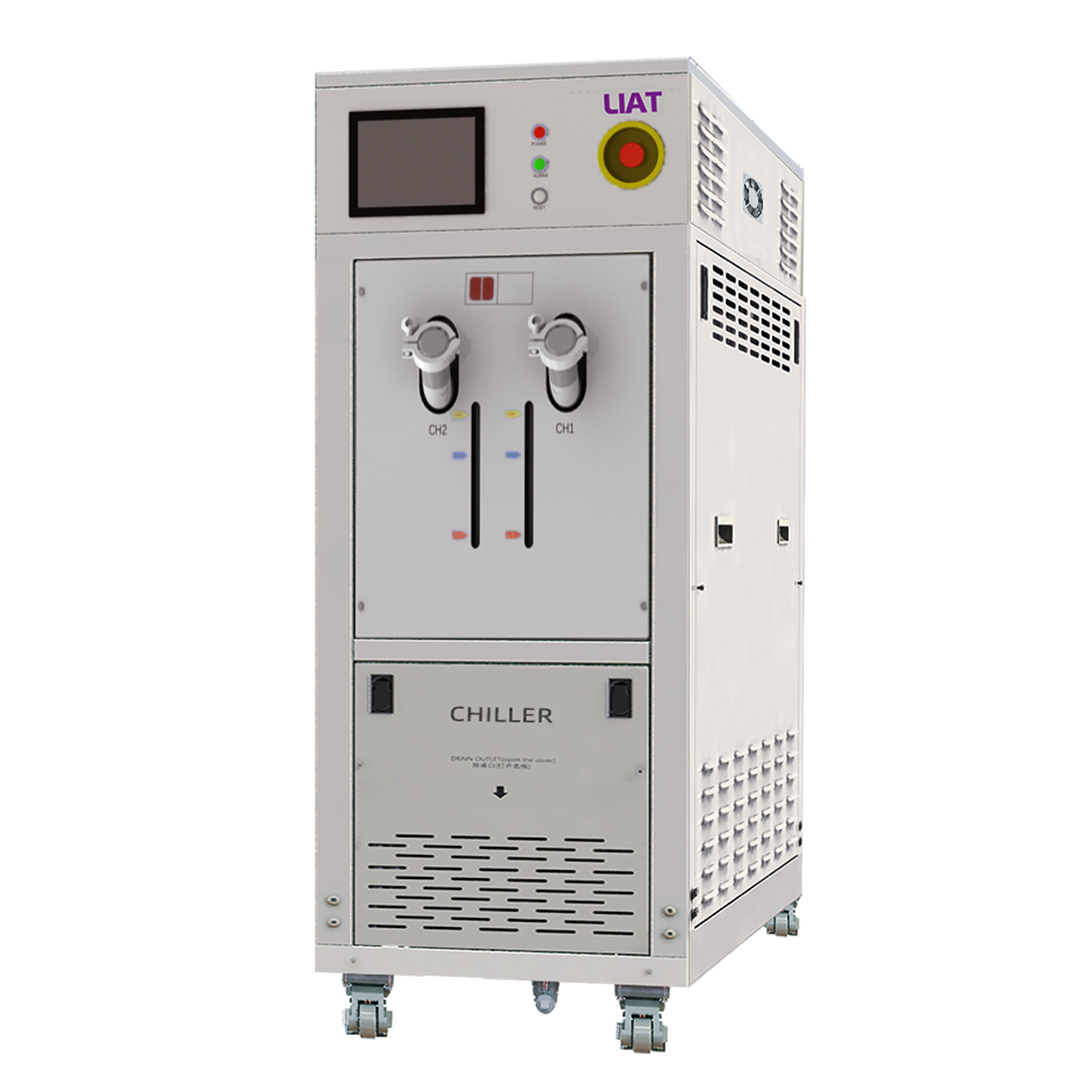
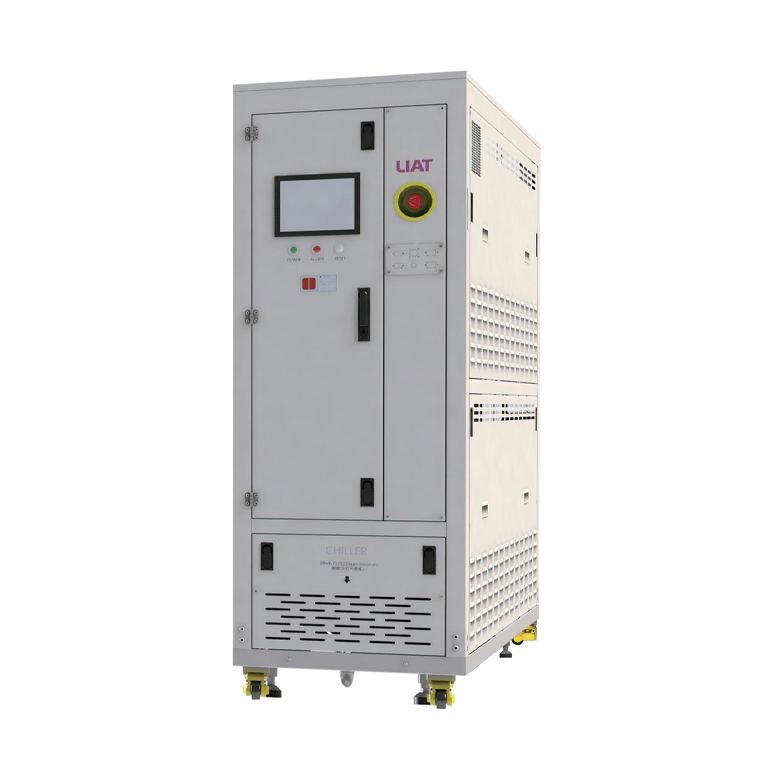
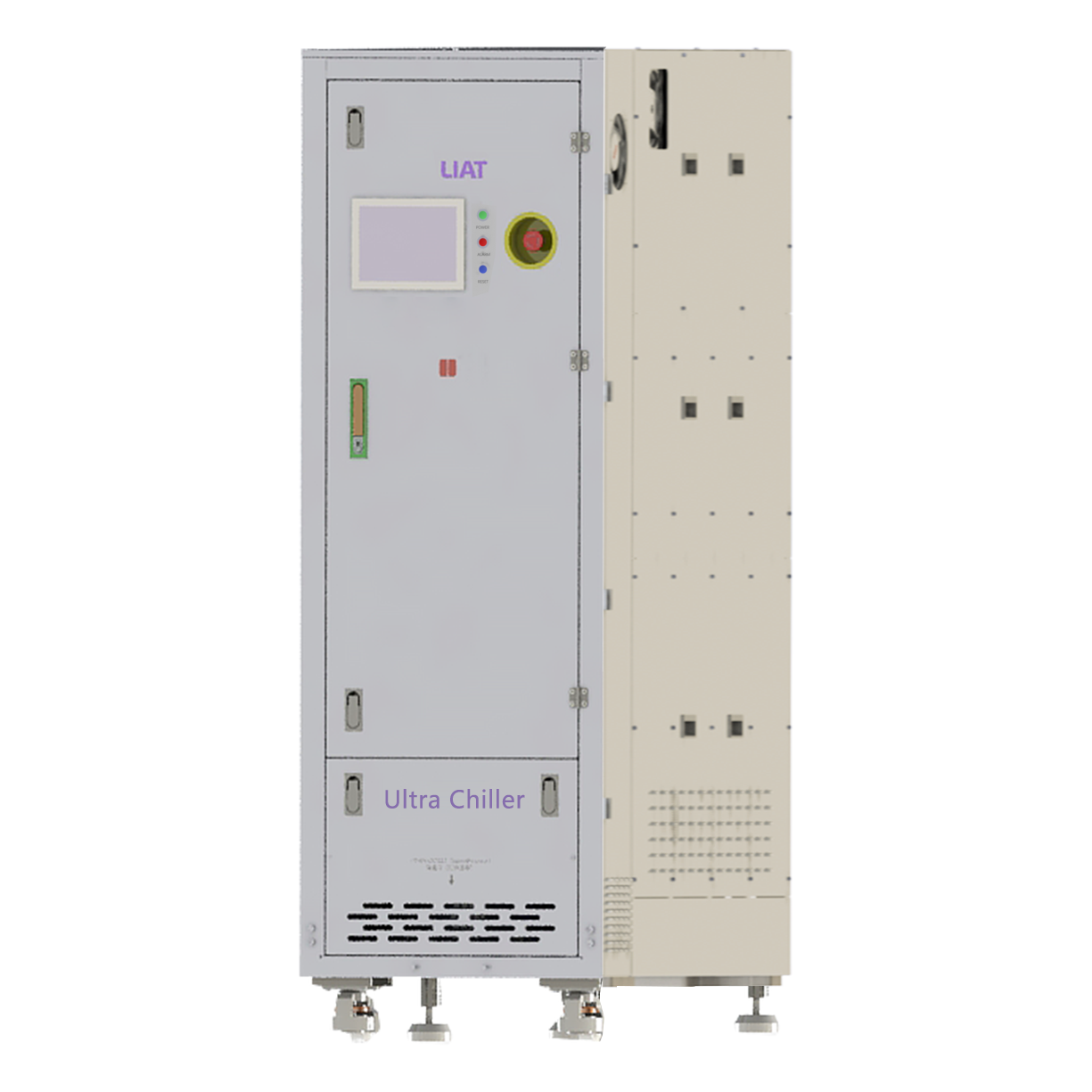
Mechanical design should also account for bend radius, mounting, expansion, and removal for inspection. Connections deserve a line-by-line check: tubing size, fitting specification, electrical supply, grounding, enclosure rating, cable routing, controller location, and access for calibration. If there is a nearby industrial water chiller, keep its cooling pipes, condensation potential, and service activities from creating an uncontrolled thermal or moisture influence on the gas path. That does not mean every heater needs a chiller; it means adjacent thermal systems should be considered together.
Specify the controls as part of the system
A capable gas delivery line heater should fit the control architecture of the precision tool. Define the available voltage and power limit, local versus remote operation, setpoint authority, sensor type, alarm contacts, communication requirements, and what happens after a power recovery. It is also prudent to ask whether the controller can retain a record of temperature and fault events when process qualification requires traceability.
Do not treat this as a promise that one control method suits all tools. For some installations, a local controller with a hardwired alarm may be sufficient. For others, the gas delivery line heater needs to exchange status with a PLC or tool controller. The decision depends on the risk assessment and the operating sequence.
Commission against the installed line
Factory checks are helpful, but commissioning must test the installed gas delivery line heater with the actual route, insulation, connections, and permitted process conditions. Before releasing a line to production, verify sensor reading plausibility, setpoint tracking, high-limit trip and reset behavior, alarm mapping, grounding, leak-test completion, and the effect of expected flow changes. Record the as-installed settings, sensor locations, and acceptance observations so later troubleshooting has a baseline.
During operation, trend any unexpected drift instead of immediately changing the setpoint. A temperature swing may relate to ambient changes, a moving process load, a sensor issue, or an unheated component downstream. That distinction is important because increasing output on the gas delivery line heater may mask rather than resolve the underlying condition.
A practical request-for-information checklist
- What gas or precursor, pressure, flow range, and target gas-phase condition apply?
- What temperature band is needed at the critical downstream point?
- Which line sections, valves, and fittings are inside and outside the heated zone?
- How are sensing, normal control, alarms, and independent high-limit protection arranged?
- Which wetted materials and cleanliness requirements must be confirmed?
- What electrical, grounding, enclosure, and tool-connection requirements apply?
- Which commissioning tests and operating records are required before process use?
Choose for controllability and verification
The right gas delivery line heater is the one that can be tied to a defined gas-delivery condition, a clear control philosophy, and a practical verification plan. It should offer more than nominal heat: it should make sensor position, limits, faults, interfaces, and maintainability understandable to the people who install and run the precision tool. For broader thermal-management discussion, visit Lingheng Thermal Control Technology. Then validate the final configuration against the material data, tool documentation, site safety rules, and qualified engineering review.
 Hot News