
How to Maintain Gas Line Temperature Across Long Delivery Paths
When a process gas travels through a long delivery path, the condition at the outlet can differ materially from the condition at the source. Learning how to maintain gas line temperature starts with a heat-balance question: where does the line lose or gain heat, and what temperature range does the downstream process actually need? This is an industrial thermal-management topic, not a substitute for gas-system design, hazardous-area classification, leak testing, or local safety requirements.
From a thermal-management application engineer’s perspective, how to maintain gas line temperature is rarely answered by picking one device. Pipe diameter, route length, flow pattern, gas composition, pressure, ambient exposure, fittings, supports, insulation condition, and allowable process variation all affect the result. Establish those conditions before comparing equipment or control methods.
Start with the temperature requirement, not the heater
The first step in how to maintain gas line temperature is to define the controlled variable. Some systems need a minimum line temperature to stay above a condensation or dew-point concern. Others need a narrow delivery range because a downstream analyzer, reactor, or process chamber is sensitive to temperature drift. A third group only needs to limit large swings between shifts or weather conditions. These are different design objectives, even when the same pipe carries gas.
Record the target temperature band at the receiving point, the lowest and highest expected ambient temperatures, operating pressure, expected flow range, start-up conditions, and whether the line is indoor, outdoor, buried, sheltered, or exposed to wind. If the gas may carry moisture or condensable components, involve qualified process and safety personnel to confirm the relevant dew-point margin. A line-wall reading alone may not describe the gas condition inside the pipe.
Map the delivery path as thermal zones
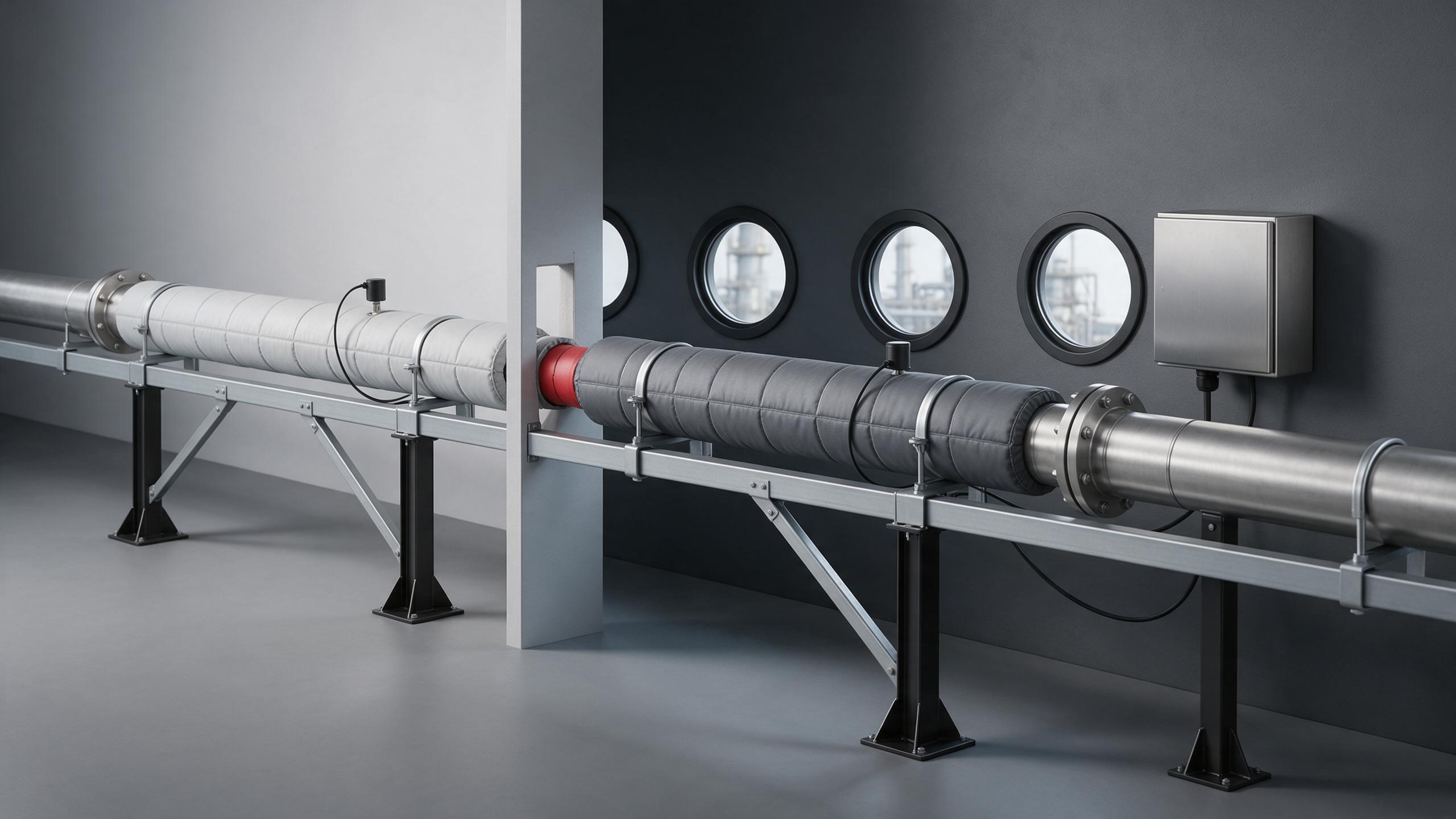
A useful way to approach how to maintain gas line temperature is to divide a long path into zones rather than treating the route as one uniform pipe. A short indoor run beside warm equipment may behave differently from an outdoor rack, a valve station, a section near an open door, or a low-flow branch. Bends, valves, flanges, supports, instrument takeoffs, and uninsulated repairs can act as local heat-loss points.
Walk down the route and document pipe material and size, insulation type and thickness, jacket condition, exposed fittings, support locations, ambient sources, and available electrical or utility connections. Compare source and receiving temperatures during representative operation where site procedures allow. This baseline makes the question of how to maintain gas line temperature measurable instead of relying on a single reading taken near the source.
Reduce heat transfer before adding active control
For many long paths, insulation is the first thermal layer to review. It slows heat exchange with the surroundings, though it does not stop heat loss or heat gain altogether. Damaged cladding, wet insulation, gaps at valves, and uncovered fittings can change performance along a route. Before specifying more heat input, repairable insulation and weather protection should be evaluated against the operating conditions.
This matters because how to maintain gas line temperature is a system question. Raising heat input while leaving major heat-loss points untreated can create uneven wall temperatures and increase energy use. Conversely, a well-insulated path may need modest control support only in exposed zones. Any insulation material, jacketing detail, and installation method should be checked for the site environment and the applicable engineering requirements.
Select an active method from calculated heat loss
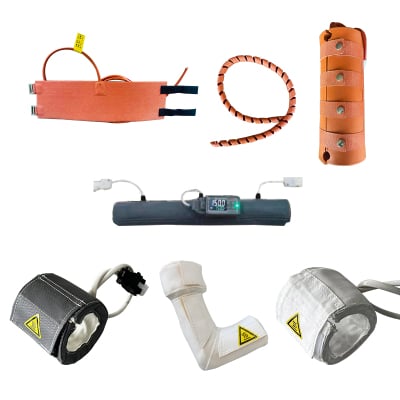
If passive measures cannot hold the required band, the next part of how to maintain gas line temperature is an engineering heat-loss calculation. The calculation should account for pipe size, route length, insulation, maintenance temperature, minimum ambient conditions, wind exposure, fittings, and supports. The result helps determine whether electric tracing, a heated enclosure, a controlled thermal-fluid loop, steam tracing where plant conditions support it, or another integrated approach is suitable.
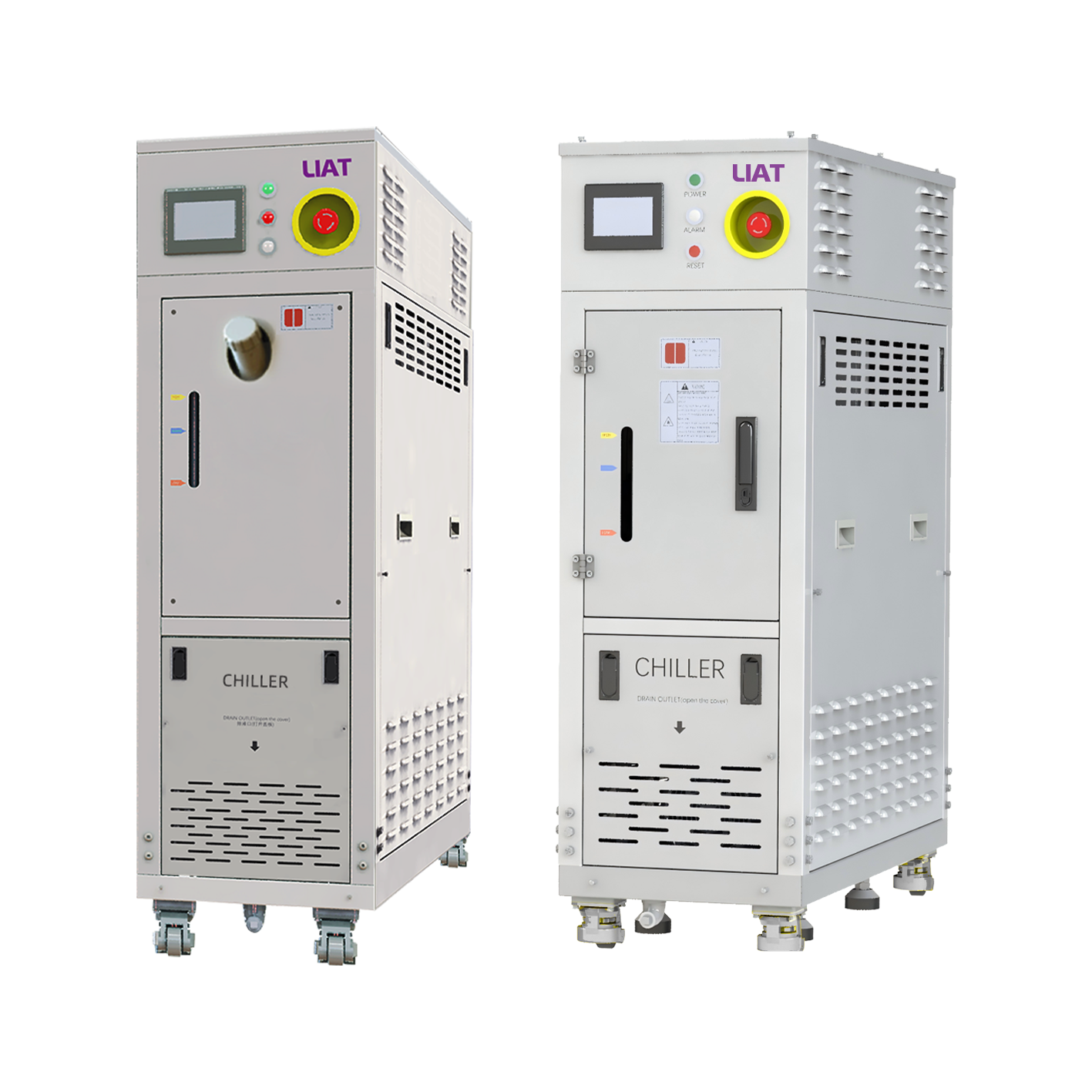
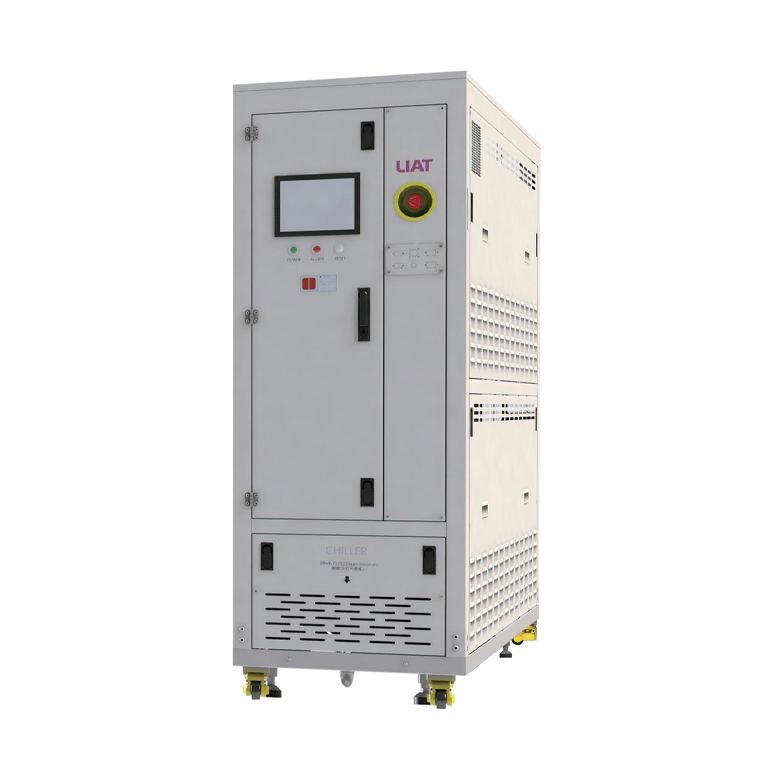
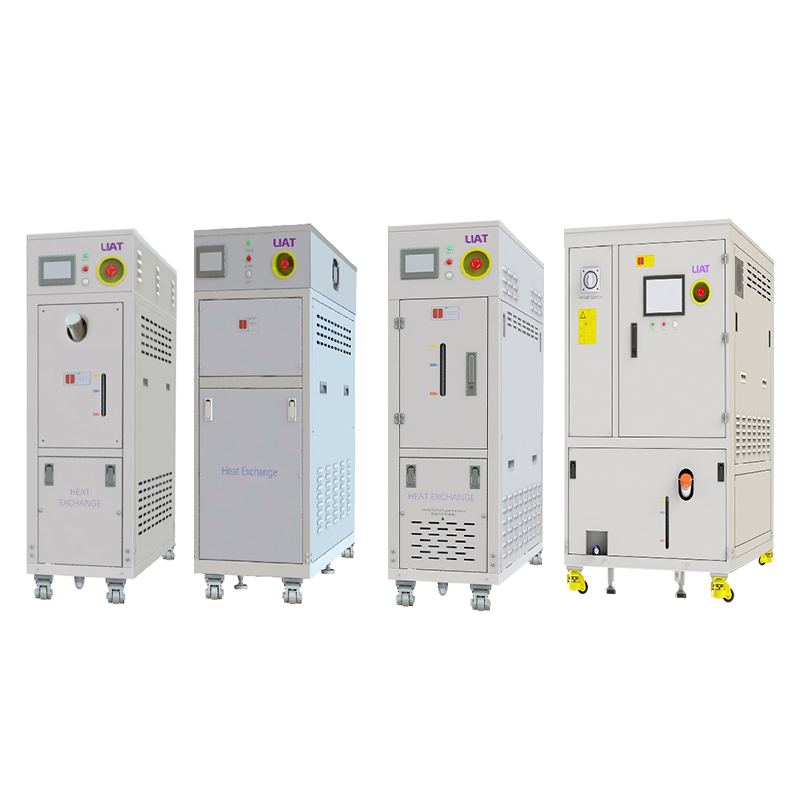
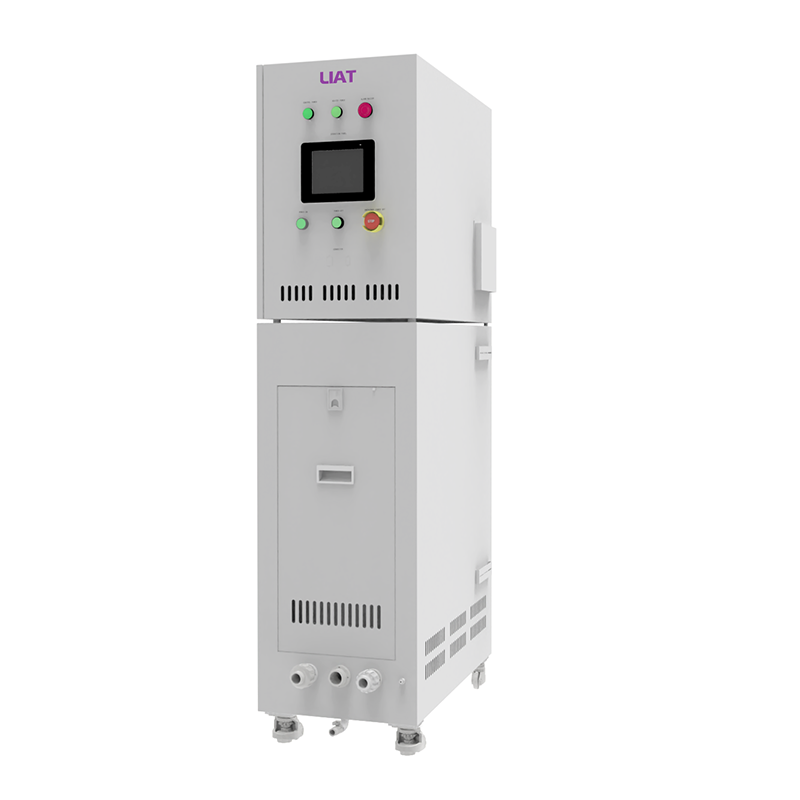
Electric heat tracing is often considered where distributed control and installation flexibility matter. A controlled thermal-fluid circuit can be relevant where a central temperature-management system is already part of the process. An industrial water chiller may support a broader thermal loop when cooling or a controlled water temperature is part of the project, but it is not automatically a direct solution for every gas line. Its role depends on the actual heat-transfer arrangement, load profile, medium compatibility, and control architecture.
Do not size a system from a generic heat-output-per-length figure. In how to maintain gas line temperature, heat input must be matched to the calculated loss and the required operating scenario. Start-up, low-flow operation, shutdown, and maximum ambient exposure may produce different requirements from steady-state flow.
Use sensing and control that represent the real risk
A long route needs measurements that reflect its thermal behavior. For how to maintain gas line temperature, consider where the coldest or hottest credible section is likely to occur, not just where a sensor is easiest to install. Typical review points include the source outlet, exposed transitions, high-loss valve groups, long outdoor spans, and the downstream delivery point.
Pipe-surface sensors can support control of a traced line, while gas-temperature or process measurements may be needed to verify the downstream objective. The appropriate sensor type, mounting detail, calibration approach, alarm limits, and control logic should be selected by qualified personnel. Separate control zones can make sense where geometry or ambient exposure changes. More sensors are not automatically useful unless the control strategy explains what each reading will do.
Plan for flow changes and non-running periods
Flow often carries thermal energy that helps stabilize a line. When flow drops, stops, or changes sharply, the route can behave differently. That is why how to maintain gas line temperature should include a start-up and low-flow review. Identify the expected duration of idle periods, the acceptable recovery time, and whether the target is line-wall stability, delivered-gas stability, or both.
For a critical delivery path, document what the controller does after a power interruption, sensor fault, high-temperature alarm, or communication loss. The answer will vary by process and safety design. Avoid treating a temperature-maintenance system as a standalone safeguard; it must fit the plant’s approved operating, electrical, and hazardous-area practices.
Commission with a temperature profile, then maintain it
The practical proof of how to maintain gas line temperature is a documented profile under representative conditions. During commissioning, record temperatures by zone, ambient conditions, flow state, controller output, and any observed delay between a change at the source and the receiving point. This can reveal an under-insulated fitting group, a control-zone boundary that needs adjustment, or a sensor location that is not representative.
After commissioning, include insulation inspections, sensor checks, controller alarm reviews, cable or utility inspections, and change records in the maintenance plan. If a line is modified, recheck how to maintain gas line temperature rather than assuming the original calculation still applies. A new branch, a changed route, a different gas condition, or altered ambient shielding can change the heat balance.
A concise project checklist
- Define the required temperature band at the downstream point.
- Confirm gas conditions, pressure, flow range, and any condensation-related constraints with qualified process personnel.
- Segment the route into indoor, outdoor, sheltered, and high-loss zones.
- Inspect insulation, cladding, supports, fittings, and previous repairs.
- Calculate heat loss for representative and limiting conditions.
- Select the heat source and controls around the calculated duty, site utilities, and approved safety requirements.
- Place sensors where they verify the process objective and the likely extreme zones.
- Commission with a recorded temperature profile and revise the maintenance plan when the route changes.
Conclusion
The reliable answer to how to maintain gas line temperature is a coordinated method: define the delivered-gas requirement, reduce uncontrolled heat transfer, calculate the remaining duty, apply suitable temperature control, and verify performance across the full path. When project data are incomplete, the prudent next step is to collect the temperature, flow, ambient, insulation, route, and connection details needed for a qualified engineering review.
 Hot News