
Why Gas Delivery Line Heating Improves Repeatable Deposition
In deposition equipment, the result at the substrate begins much earlier than the chamber. It begins when a precursor or process gas leaves its source, passes through valves, filters, mass-flow hardware, and tubing, then arrives at the point of use. Gas delivery line heating gives that path a controlled thermal condition instead of leaving it exposed to room-temperature changes, cold surfaces, and local heat loss. For a process engineer, that makes it a process-stability topic, not simply a utility detail.
Some CVD precursors are low-vapor-pressure liquids or solids. Their delivery behavior can therefore be sensitive to temperature, pressure, transport-gas conditions, and the temperature profile of every wetted component. A line may be warm near a source but cooler at a fitting or valve body. When that happens, the composition reaching the chamber can vary from run to run. Thoughtful gas delivery line heating helps a team hold the intended transport conditions through the entire route.
Deposition repeatability depends on what reaches the chamber
Repeatable deposition is not only a chamber-temperature question. Film thickness, composition, conformality, and run-to-run behavior are influenced by the amount and condition of material that reaches the reaction zone. If part of the gas path has a colder surface, a condensable component may leave the vapor stream or adsorb on an internal surface. Later, when conditions change, that retained material can release at a different time. The chamber then receives a different transient than the recipe assumes.
Gas delivery line heating reduces this uncontrolled thermal variation by establishing an intentional temperature profile for tubing and relevant components. It does not replace source-temperature control, flow control, or chamber control. Instead, it connects them. The practical objective is consistent delivery conditions between the source outlet and the process inlet.
How gas delivery line heating supports a steadier precursor stream
It limits cold spots along the gas path
A line is only as stable as its coolest meaningful section. Uninsulated elbows, metal supports, valves, filters, and long exposed runs can have different heat losses than straight tubing. Gas delivery line heating lets engineers identify those sections and set a thermal design that accounts for them. The goal is not to select one universal temperature; it is to maintain a validated temperature window appropriate for the chemistry, materials, pressure, and process recipe.
It makes startup and recovery behavior more predictable
After maintenance, idle periods, or an upset, a gas path may not be at its normal thermal condition. If a run begins before the line, fittings, and critical components have stabilized, early wafers can experience a different incoming stream from later wafers. With gas delivery line heating, a documented warm-up sequence and temperature-ready signal give operations a clearer release condition. That is often more useful than relying on elapsed time alone.
It helps separate delivery problems from chamber problems
When deposition drifts, the chamber is often examined first. That is understandable, but the gas path deserves the same discipline. Stable heater-zone readings, pressure trends, and flow behavior create a baseline for troubleshooting. If those signals are known, an engineer can more quickly distinguish a delivery-side shift from a chamber-side cause. In that sense, gas delivery line heating makes diagnosis more structured as well as operation more repeatable.
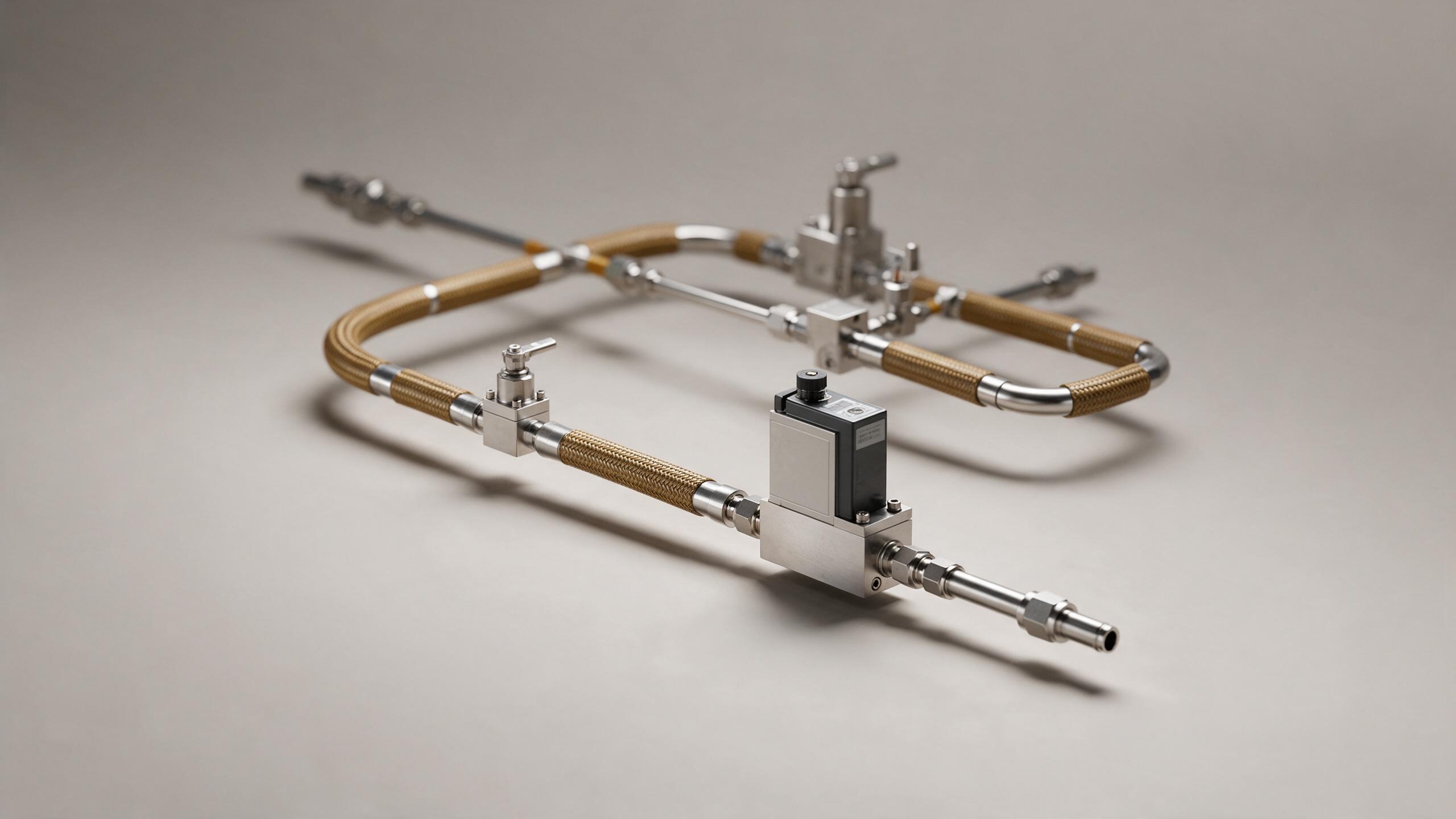
What to control beyond the heating cable
Heating cable or a heated jacket is one part of the design. A complete gas delivery line heating plan also considers sensor placement, insulation, fittings, valve bodies, pressure regulation, electrical zoning, alarms, and controller tuning. Measuring temperature only at the heater controller does not establish the temperature at the coldest process-relevant surface.
- Map the route: Record every line section, fitting, valve, filter, and support between source and chamber.
- Define a validated window: Set it from the chemistry and approved process conditions, rather than from a generic heating rule.
- Place sensors deliberately: Include locations where thermal loss or a high-mass component may create lag.
- Verify actual response: Trend temperature, flow, and pressure during warm-up, steady operation, and a controlled recovery.
- Review materials and safety: Confirm compatible line materials, electrical protection, interlocks, and service procedures before operation.
Where an industrial water chiller fits in the thermal boundary
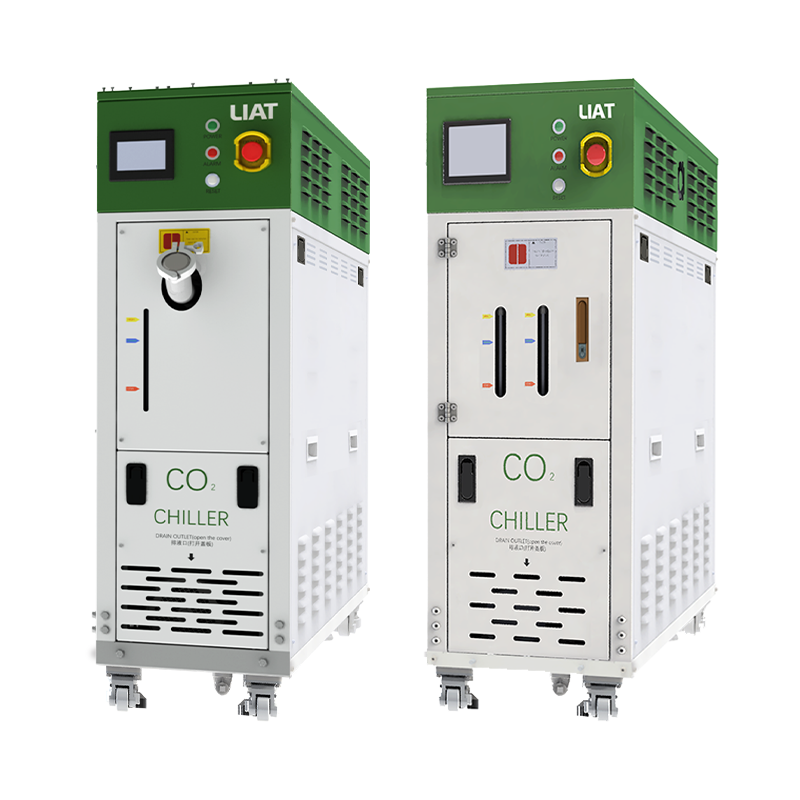
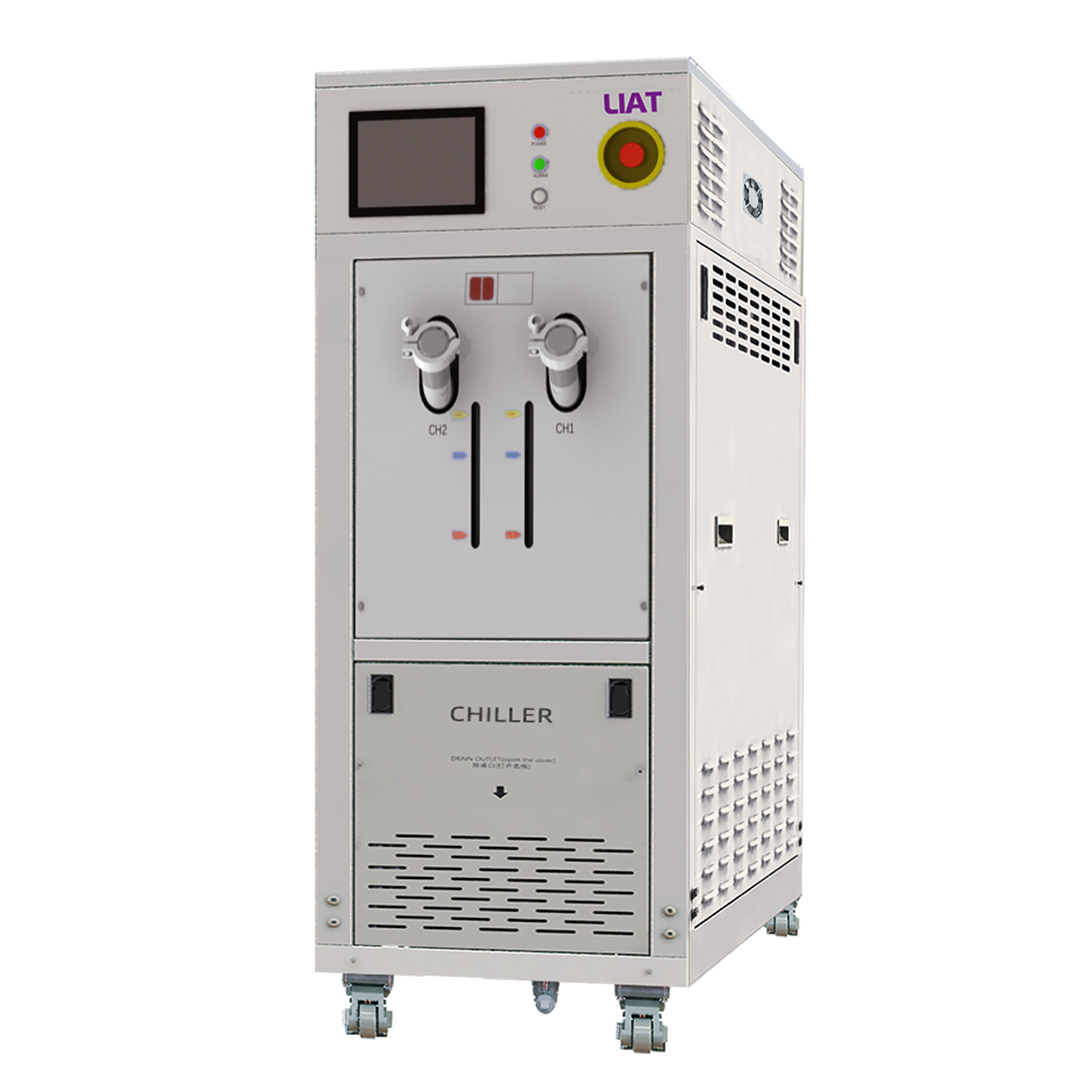
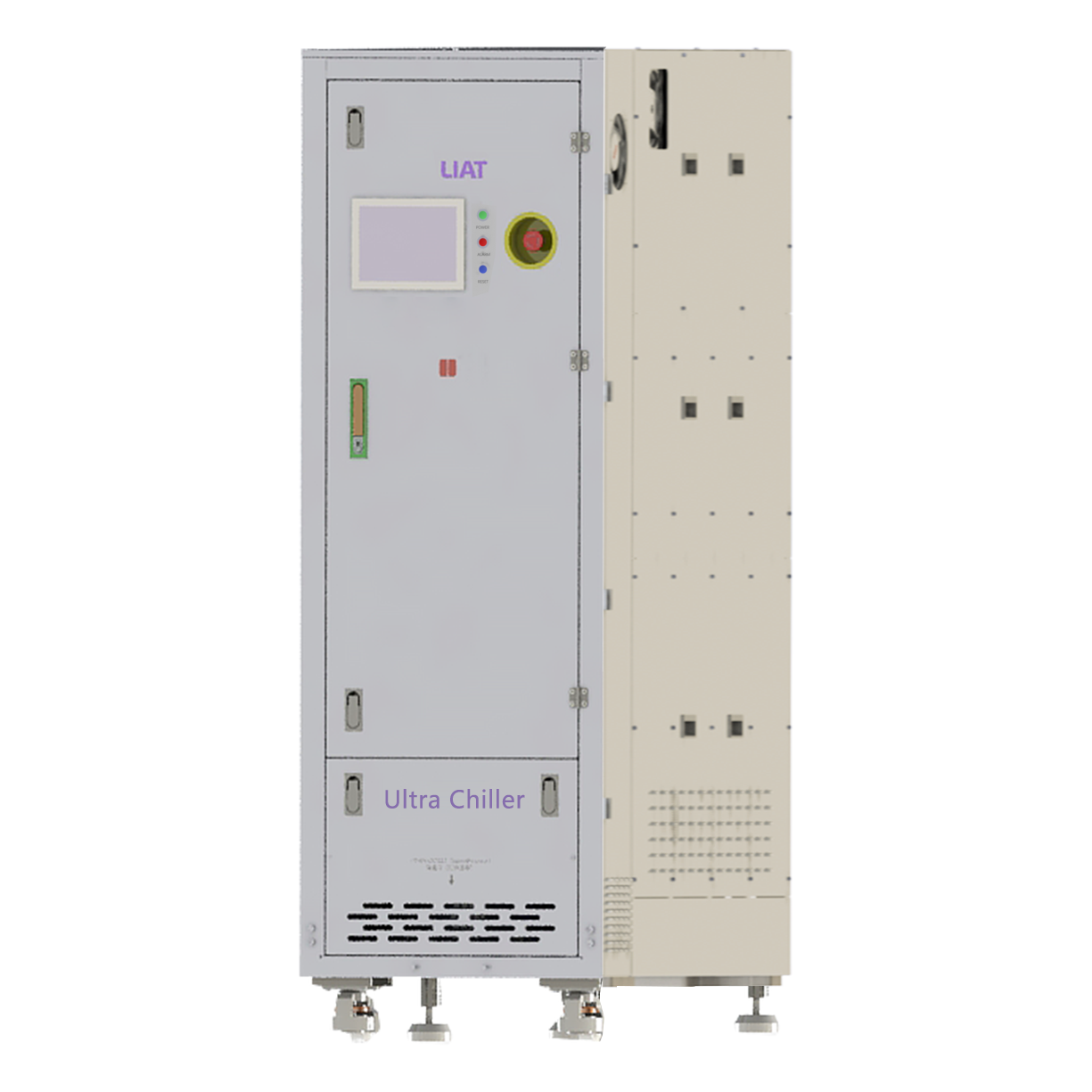
An industrial water chiller does not heat the delivery line, and it should not be described as a substitute for a line heater. Its role may be adjacent to the process: supporting controlled cooling loads for equipment, power electronics, source hardware, or other thermal-management needs within a larger tool environment. The useful engineering question is whether heating and cooling zones are coordinated so one subsystem does not create an unintended thermal disturbance for another.
For example, a cooled cabinet panel or nearby utility line can become a local heat sink if routing and insulation are overlooked. When gas delivery line heating is reviewed alongside an industrial water chiller and the rest of the facility thermal plan, the team can examine gradients at interfaces rather than treating every subsystem in isolation.
A commissioning checklist for gas delivery line heating
Before using a new or modified line for production, turn the intent into evidence. First, inspect the physical route against drawings and confirm that heater coverage, insulation, and sensors match the planned zones. Next, allow the system to reach its defined conditions and compare measured points with controller indications. Then run an approved process sequence while trending relevant temperature, pressure, and flow signals. Finally, review the initial deposition data against the same baseline used for the recipe qualification.
The checklist should also define what happens after power interruption, maintenance, line replacement, or a sensor fault. Gas delivery line heating contributes to repeatability when the response to these events is specified in the operating procedure, not when the heating hardware is merely installed.
Common gaps that weaken the result
One common gap is assuming that a heated source makes the downstream path irrelevant. Another is applying gas delivery line heating to straight tubing while overlooking valves, filters, or unsupported metal components. A third is using a setpoint without a temperature map, which can obscure the actual condition of the gas path. Teams also benefit from avoiding unverified claims about deposition improvement; the correct comparison is a documented before-and-after evaluation under the same qualified process conditions.
Turn thermal control into a repeatability practice
Gas delivery line heating is valuable because it converts a variable section of the process into a controllable and measurable one. By maintaining a validated path temperature, checking cold-prone components, and linking line status to startup and recovery procedures, engineers can reduce one source of delivery variation. The final deposition outcome still depends on chemistry, recipe, hardware condition, and chamber control, but a disciplined gas-path thermal design gives each of those controls a more consistent starting point.
 Hot News