
How to Select a Heating Jacket for Etch Chamber Temperature Control
Choosing a heating jacket for an etch chamber is not the same as choosing a general-purpose heater. The jacket has to work with the chamber geometry, the temperature recipe, the control architecture, and the site’s safety review. A suitable design supports a stable thermal boundary around the hardware it covers; it does not replace validation of the full chamber, wafer, or process control loop.
Start with the operating conditions, then narrow the construction and controls. This approach helps an equipment engineer avoid a familiar problem: a heater that reaches temperature on a bench but produces uneven response, difficult maintenance, or integration issues after installation.
Begin with the thermal job, not the jacket material
Write the thermal duty in a short requirements sheet before comparing suppliers. Record the normal setpoint, lowest and highest allowable temperatures, heat-up and cool-down expectations, ambient conditions, and the expected process states. Also identify what the heating jacket actually heats: a chamber wall, a gas line, a valve body, a precursor delivery component, or an external pipe section. Those cases have different contact areas, losses, and access constraints.
Heat load deserves the same attention as setpoint. Conductive paths into frames, fittings, and nearby piping can pull energy away from the target. Radiation and convection losses may matter on exposed assemblies. If a process changes gas flow, chamber pressure, or surrounding equipment state, those changes can alter the response that the controller sees. For this reason, asking only for a rated wattage rarely produces a complete selection.
- Define the allowable temperature band at the controlled location.
- List the cold-start condition, cycle timing, and expected disturbances.
- Identify any components that must remain below their own temperature limits.
- Confirm whether the goal is heat maintenance, controlled ramping, or both.
Match the heating jacket to the chamber geometry and thermal interface
A jacket transfers heat only as well as its interface allows. Measure the circumference, straight runs, flange transitions, ports, clamps, brackets, and exclusion zones. An enclosure that looks cylindrical on a drawing may have protrusions that create air gaps in the installed condition. Those gaps can reduce heat transfer and make temperature feedback less representative of the surface being controlled.
A custom or segmented industrial heating jacket can be preferable when the equipment has serviceable sections, irregular profiles, or several zones with different thermal duties. The selection should specify where seams, fasteners, lead exits, and sensor points may be placed. It should also state whether the jacket must be removable without disturbing process connections. These details are practical engineering inputs, not cosmetic options.
Material selection follows the actual temperature, environment, cleaning method, and mechanical exposure. Flexible-heater materials are often available for elevated-temperature service, but a published material capability is not a universal jacket rating. Insulation, wiring, closures, bending radius, chemical exposure, and the full assembled design still need review against the intended duty.
Decide whether one zone is enough
One heating zone can work for a short, uniform section with consistent losses. It becomes less convincing when the assembly includes heavy flanges, distinct pipe runs, different insulation levels, or heat sinks near valves and supports. In those cases, divide the thermal problem before dividing the heater. Consider separate zones where independent sensing or independent power adjustment would reduce the chance of hot or cold areas.
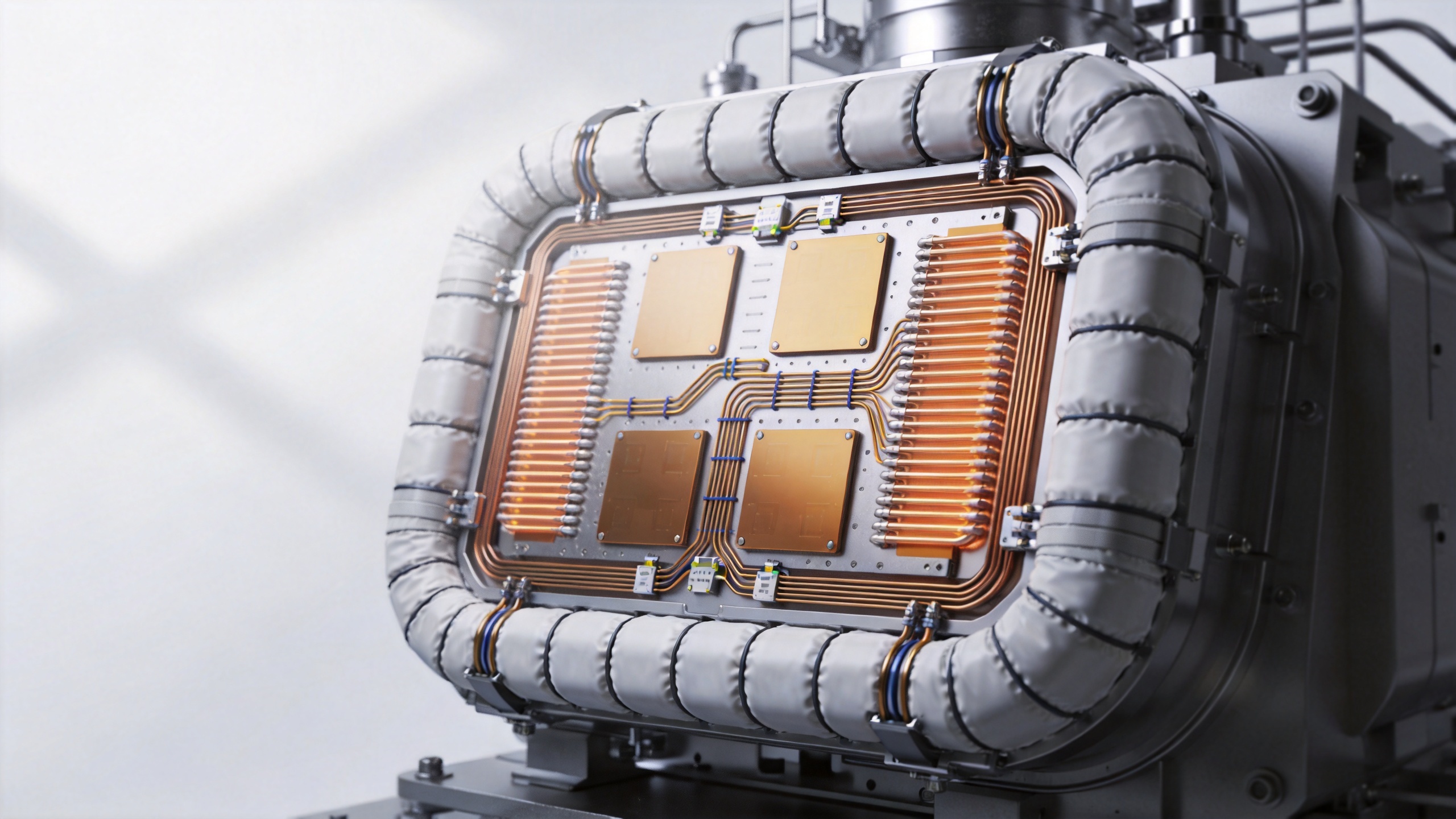
A pipe heating jacket installed near an etch chamber should be evaluated as part of the line’s thermal path, not as an isolated accessory. A warm line connected to a cooler fitting can still create a local cold point. Conversely, adding heat without considering upstream and downstream components can shift the location of the thermal constraint rather than remove it.
For each proposed zone, document the heater area, expected loss path, sensor location, control output, and service access. This information gives controls and mechanical teams a common review format and makes later troubleshooting more direct.
Specify sensing and control before choosing a controller package
The sensor should represent the temperature that matters to the process or equipment decision. A sensor placed only beside the heating element may protect the heater but may not describe the outer chamber surface or fluid-path condition. A second sensor can be useful when an independent over-temperature limit or a verification point is needed.
Ask how the heating jacket will connect to the controller: sensor type, lead length, grounding approach, power supply, switching method, alarm outputs, and communication requirements. Confirm how a sensor fault, open circuit, lost communication, or power interruption is handled. The answer should be compatible with the equipment’s interlocks and the site’s documented response expectations.
Control tuning also depends on construction. A thick, insulated assembly with high thermal mass responds differently from a thin jacket around a small tube. Instead of assuming a single PID setting will fit every installation, plan a commissioning step that confirms stability under representative operating conditions.
Review safety, cleanliness, and maintainability together
Semiconductor equipment selection normally requires more than temperature capability. The project team should review electrical protection, grounding, guarding, lead routing, surface-temperature exposure, materials compatibility, and failure behavior. SEMI S2 is commonly used as a performance-based environmental, health, and safety reference for semiconductor manufacturing equipment. It can help frame questions for the complete equipment review, but it is not evidence that an individual jacket is compliant or certified.
Cleanliness and maintenance are equally important. Specify whether the jacket is near vacuum hardware, chemical handling areas, sensitive sensors, or frequent service points. Ask how it can be removed, inspected, and reinstalled without stressing cables or leaving insulation fibers, debris, or loose fasteners near the chamber. If the assembly will be cleaned, identify the permitted method and the materials that must tolerate it.
Do not overlook documentation. A useful purchase package may include the mechanical drawing, zone map, wiring diagram, sensor specification, electrical ratings, installation guidance, and commissioning checks. The exact documents depend on the project, but the need for traceable interfaces is consistent.
Use a practical supplier comparison checklist
When comparing an industrial heating jacket, ask suppliers to respond to the same operating data rather than comparing catalog descriptions. This makes meaningful differences easier to see.
- Thermal fit: What temperature range, ramp expectation, and estimated loss conditions is the proposal based on?
- Mechanical fit: How does the design accommodate ports, flanges, supports, sensor locations, and removal access?
- Control fit: Which sensors, zones, limits, alarms, and interfaces are included or required?
- Materials fit: Are the jacket materials, insulation, closures, and leads appropriate for the local temperature and exposure conditions?
- Safety fit: What protective functions and documentation support the equipment-level safety assessment?
- Service fit: How will installation, inspection, replacement, and recommissioning be carried out?
Turn the selection into an engineering handoff
The strongest selection is a documented interface decision, not simply a heater purchase. Give the supplier the controlled component drawing, temperature recipe, available power, preferred sensor locations, nearby components, environmental constraints, and integration expectations. In return, review the proposed zone layout, attachment method, cable exit, sensor placement, and protective functions with mechanical, electrical, controls, and EHS stakeholders.
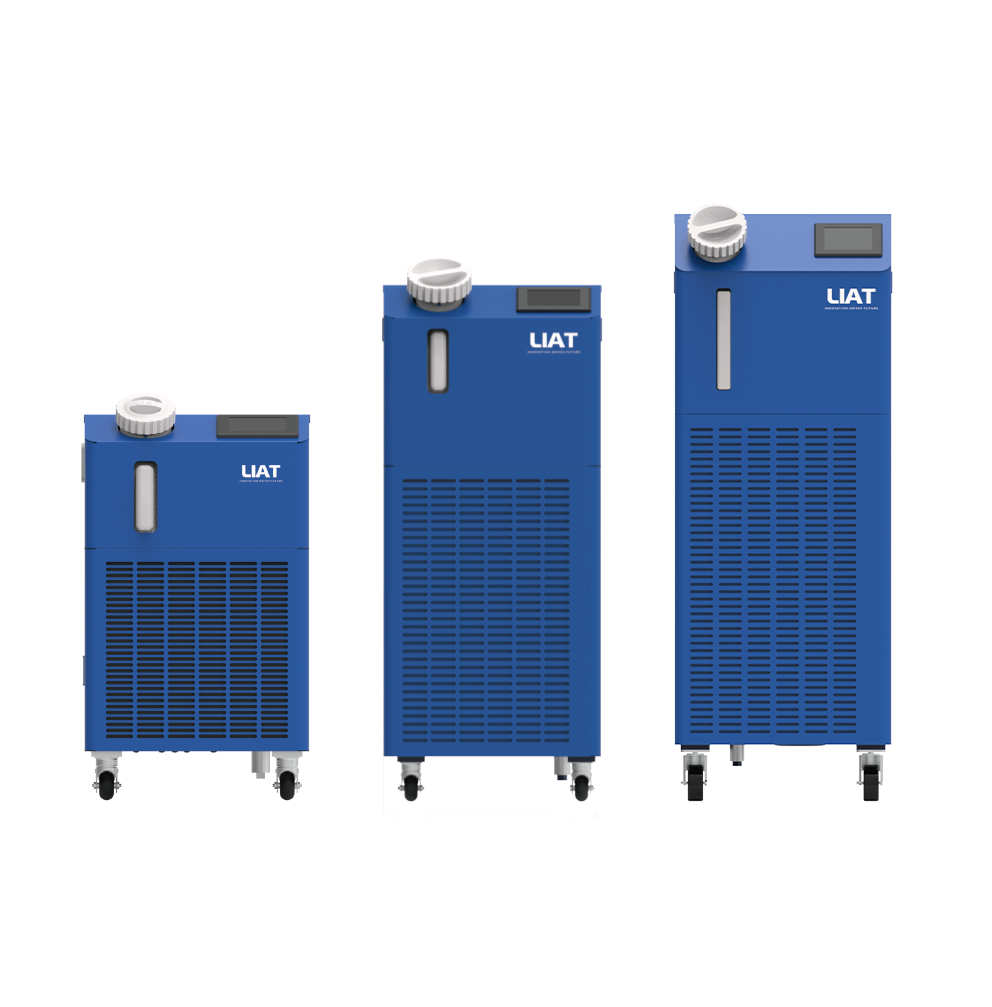
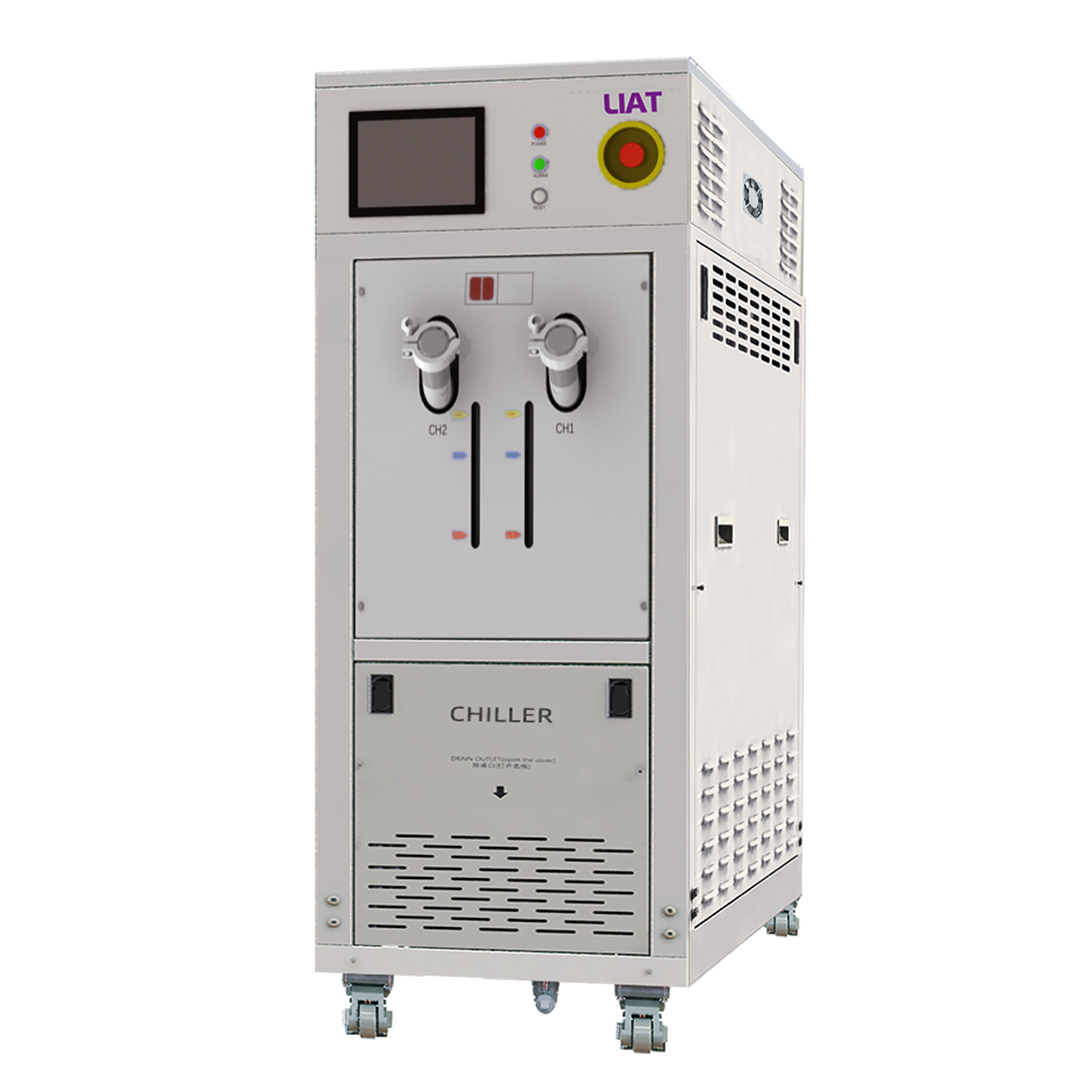
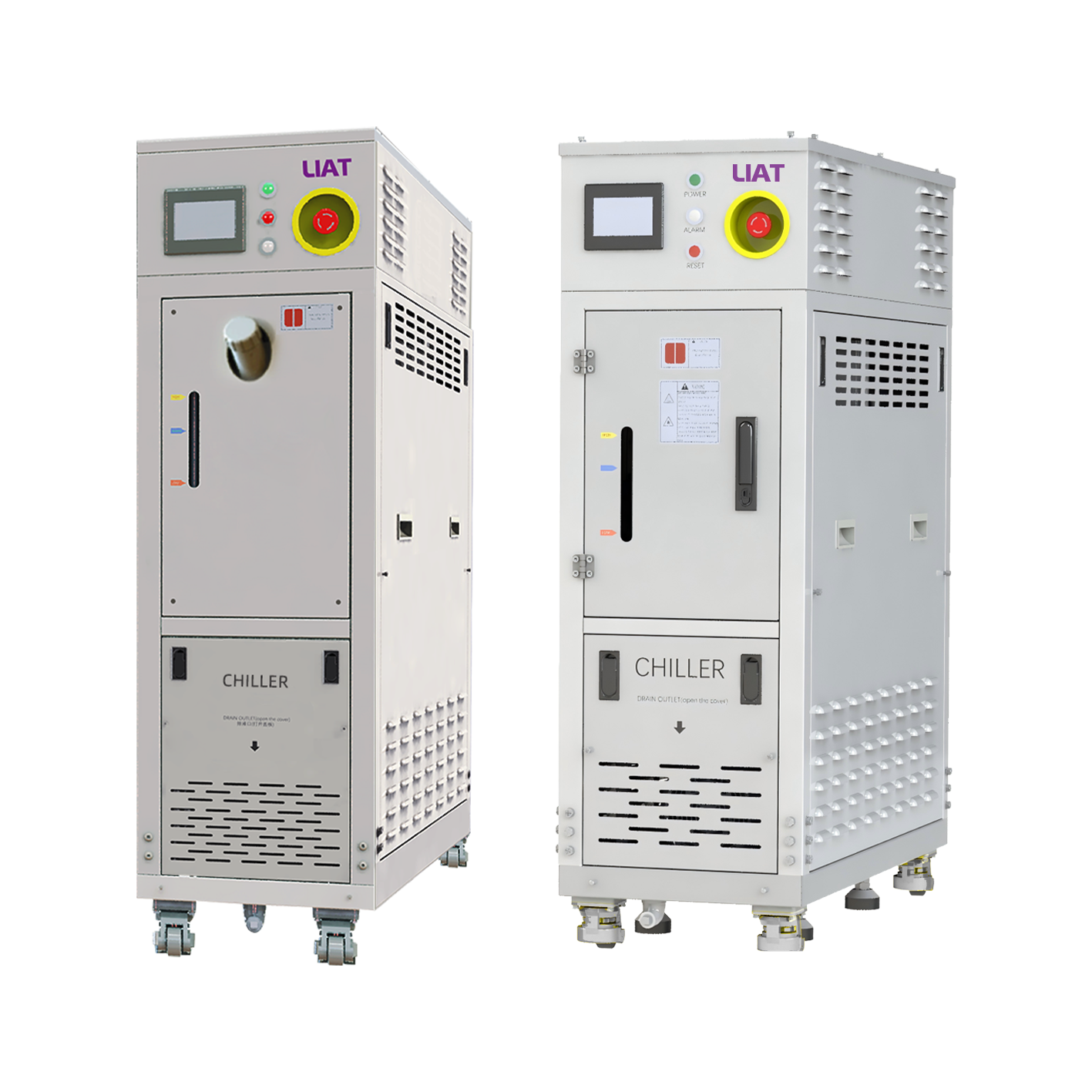
For projects that combine local heating with broader thermal management, the jacket should be reviewed alongside the chamber’s cooling and temperature-control strategy. Lingheng Thermal Control Technology (Suzhou) Co., Ltd. focuses its technical communication on temperature range, heat load, medium, interfaces, and control coordination so that thermal equipment discussions start with the operating conditions rather than a generic specification.
Commission the heating jacket with a defined acceptance plan
Before release to production, test the heating jacket at the intended operating points and document the sensor values, control output, alarms, and response to representative disturbances. Verify that the heater-jacket temperature and the chosen controlled location behave as expected during start-up, steady operation, and a controlled shutdown. This is also the right time to confirm that lead routing, removable sections, and access panels remain serviceable after the insulation and guards are installed.
For a multi-zone industrial heating jacket, commission each zone individually before evaluating the combined sequence. Record where temperatures are measured and which limits are protective rather than process-controlling. If a pipe heating jacket feeds a chamber assembly, include connected fittings and expected flow states in the test plan; a satisfactory reading on the jacket surface alone does not establish a uniform thermal condition through the whole path.
Conclusion
Selecting a heating jacket for etch chamber temperature control requires a clear view of thermal duty, geometry, zoning, sensing, safety, and service access. A properly defined pipe heating jacket or chamber jacket may support more controllable conditions, but only when its construction and controls are checked against the actual equipment environment. Build the requirements sheet first, review the interfaces across disciplines, and use commissioning data to verify the final installation.
 Hot News