
Why Etch Gas Delivery Heating Matters for Critical Dimension Control
Critical dimension (CD) control is often discussed at the chamber, wafer temperature, RF power, or recipe level. Those factors matter, but the recipe starts upstream. ETCH gas delivery heating helps keep the chemistry arriving at the tool closer to the chemistry that the process team intended to supply. When a gas or vapor sees cold spots, changing pressure, or an uneven thermal path before it reaches the chamber, the incoming composition and flow behavior can become less repeatable. That uncertainty can show up later as shifts in etch rate, profile, selectivity, or CD response.
From an equipment-integration perspective, ETCH gas delivery heating is not simply a heater wrapped around tubing. It is a controlled thermal path spanning the source, regulator or vaporizer, valves, mass-flow-control region, transfer line, and chamber connection. The useful question is not “Is the line hot?” but “Is every relevant section at a stable, verified condition for this chemistry and this process window?”
Why gas delivery conditions can influence CD
Etch CD is sensitive to the concentration, arrival rate, and repeatability of reactive species at the wafer. If an upstream delivery condition changes, the plasma may receive a different effective dose even when the recipe setpoints on the screen have not changed. ETCH gas delivery heating supports process consistency by reducing temperature gradients that could alter vapor behavior or create accumulation points in a delivery path.
This is especially relevant for chemistries or source materials that have limited vapor-pressure margin at ambient conditions. Under certain pressure and temperature conditions, some semiconductor gases and vapors can condense in lines, fittings, or purifiers. A local cold spot may not immediately create a visible alarm. Instead, it can introduce a slow drift, delayed stabilization after maintenance, or lot-to-lot variability that is difficult to assign to one chamber parameter.
ETCH gas delivery heating therefore belongs in the same troubleshooting conversation as mass flow, pressure control, purge quality, and chamber seasoning. It does not establish CD by itself. It helps establish a more repeatable incoming condition so that the rest of the process controls have a stable basis.
The thermal mechanisms behind the risk
Condensation, adsorption, and release
When a delivery component runs below the suitable temperature for a material at its local pressure, vapor can condense or adsorb on internal surfaces. Later, as flow, pressure, or line temperature changes, part of that material may re-enter the stream. The result can be a transient concentration change rather than a clean, steady delivery condition. ETCH gas delivery heating is intended to keep the relevant path within a validated thermal range, not to apply a generic high temperature.
Temperature gradients at connections
A heated main line can still contain weak points at valve bodies, elbows, panels, MFC connections, or the final connection to the chamber. Thermal discontinuities deserve as much attention as the line’s nominal setpoint. In practice, ETCH gas delivery heating should be evaluated as a profile: source-to-tool temperature continuity, sensor placement, insulation quality, and the effect of ambient airflow or maintenance access.
Start-up and recovery behavior
Steady-state operation is only part of the story. After idle periods, cylinder changes, service work, or recipe transitions, the thermal system may need time to return to its qualified condition. If the qualification plan only checks a final temperature display, it can miss whether the full path has stabilized. ETCH gas delivery heating should be considered alongside defined warm-up, purge, and verification procedures.
How the effect reaches the wafer
The CD connection can be traced in a simple sequence: delivery temperature affects gas-phase condition; gas-phase condition affects delivered chemistry and flow repeatability; those inputs influence plasma composition and surface reaction balance; the reaction balance influences etch rate, selectivity, sidewall behavior, and final dimensions. The chain is conditional, not universal, because the importance of each link depends on the chemistry, pressure regime, hardware, and recipe.
For that reason, ETCH gas delivery heating is most useful when process and facilities teams review the same evidence. A CD excursion may originate in lithography, chamber hardware, endpoint control, wafer temperature, or upstream gas handling. Treating heated delivery as one verified input avoids both extremes: ignoring the gas path or assuming it explains every CD issue.
What to verify in an ETCH gas delivery heating review
A practical review should begin with the actual process conditions, not a generic heater specification. Confirm the material state, expected delivery pressure, flow regime, ambient exposure, and temperature sensitivity of the chemistry. Then map the physical path from source to chamber. The following checklist is a useful starting point:
- Temperature profile: Identify the source, valves, transfer line, MFC region, and chamber-side connection. Verify where temperature is measured rather than relying on one remote controller reading.
- Control architecture: Check sensor location, heater zoning, control response, alarms, and how a sensor or heater fault is detected.
- Thermal losses: Inspect insulation, panel penetrations, exposed fittings, and airflow around critical components. These can create local conditions that a nominal setpoint does not reveal.
- Operational sequence: Define warm-up, stabilization, purge, and post-maintenance release criteria that match the process qualification approach.
- Correlation plan: Compare delivery-path events with flow traces, pressure traces, chamber matching data, etch rate, profile metrology, and CD results.
This approach turns ETCH gas delivery heating into a measurable system variable rather than a background utility. If a thermal issue is suspected, process engineers can run controlled checks with defined changes and appropriate safety review instead of adjusting several unrelated knobs at once.
Where an industrial water chiller fits
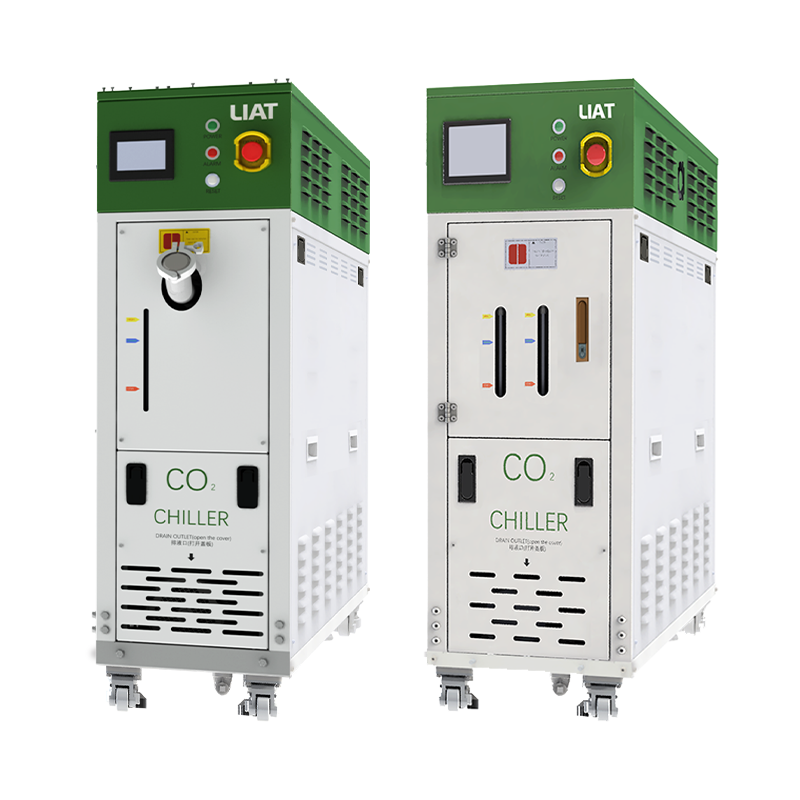
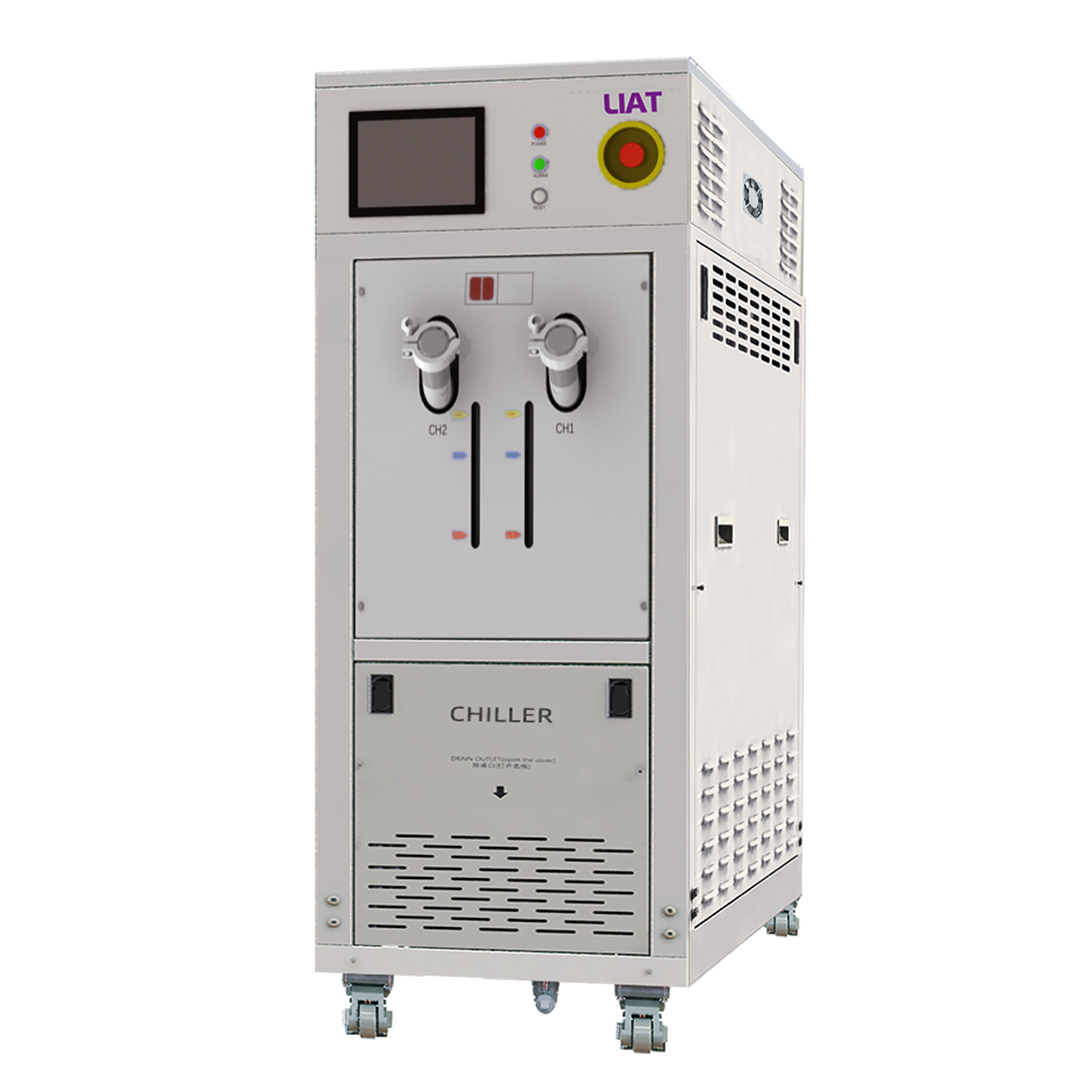
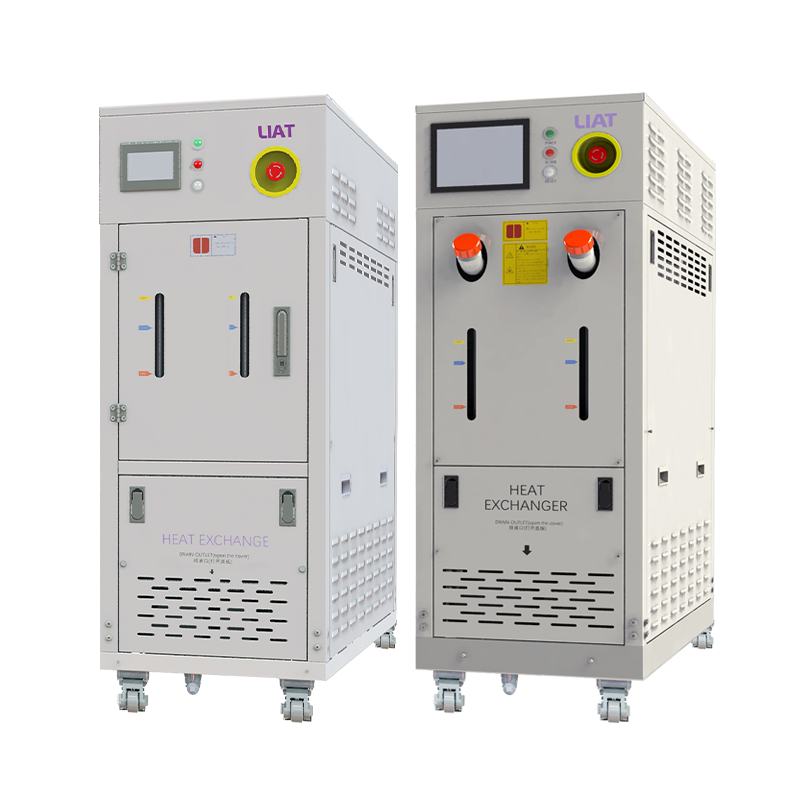
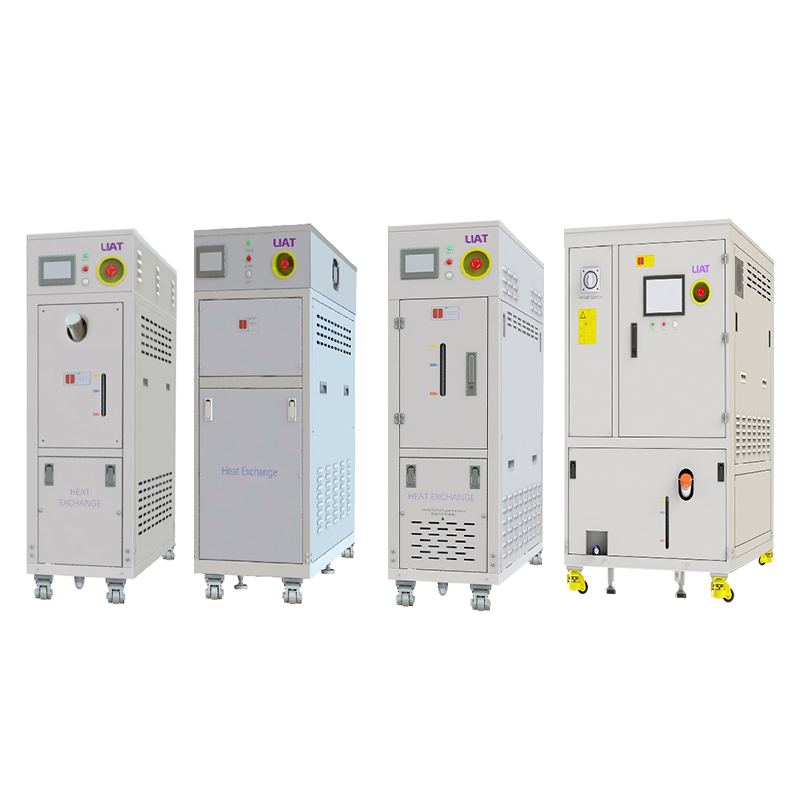
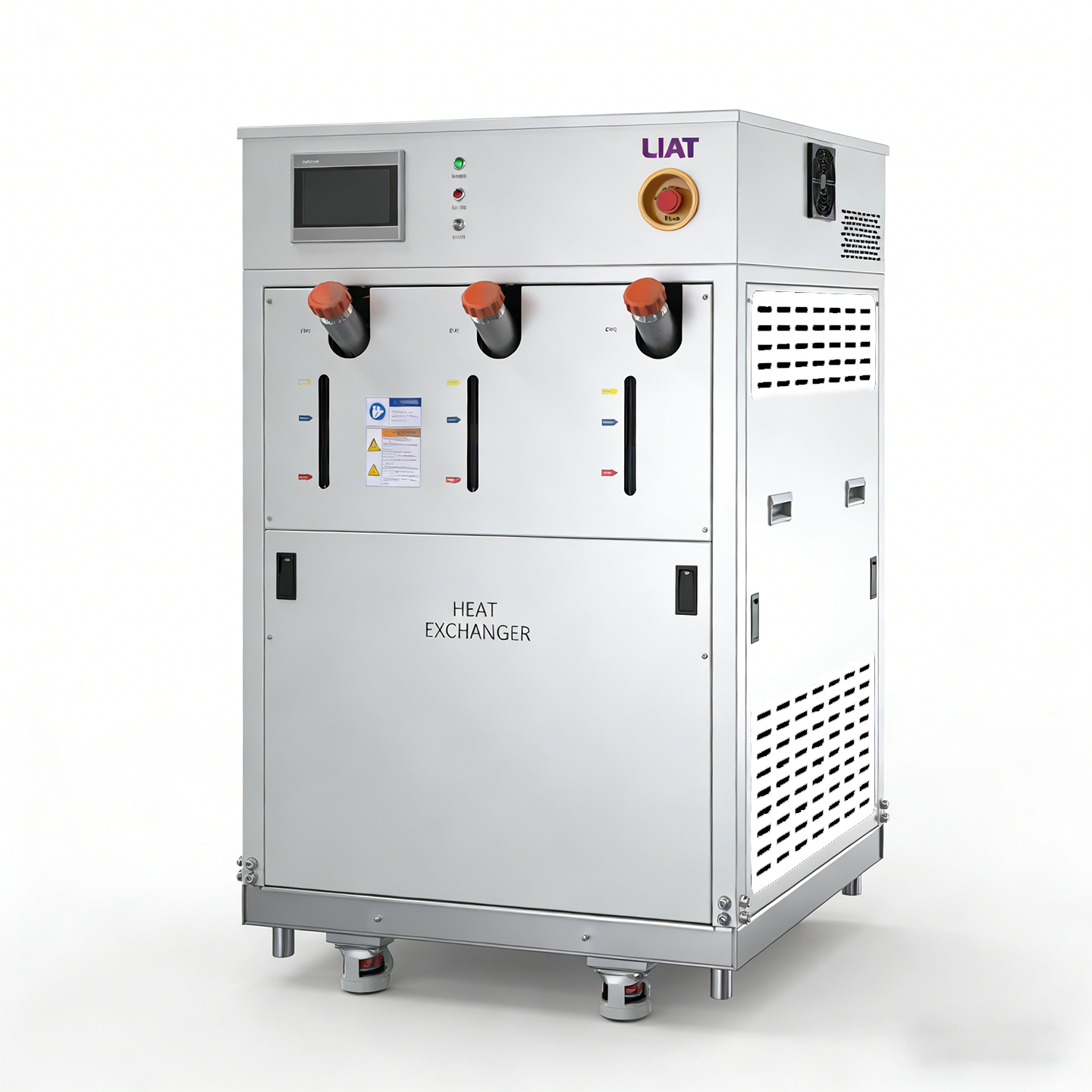
An industrial water chiller may support the broader thermal-management architecture around an etch tool, but its role should be defined by the equipment design. Cooling may be used for cabinets, heat exchangers, power systems, or other controlled loops while line heaters maintain specified delivery conditions elsewhere. An industrial water chiller is not a substitute for ETCH gas delivery heating; mixing the cooling and heating objectives without a heat-balance review can create avoidable thermal gradients.
The integration question is whether heating, cooling, insulation, sensor feedback, and interlocks work together under real operating conditions. For each loop, document its target range, heat load, fluid or gas medium, control connection, and failure response. That discipline is more useful than comparing isolated temperature ratings.
A disciplined path to tighter CD repeatability
When CD variation appears, start by separating confirmed observations from assumptions. Check whether the distribution aligns with a tool, recipe, lot, time since maintenance, ambient shift, or gas source event. Then include ETCH gas delivery heating in the root-cause map: verify actual component temperatures, stabilize the system using approved procedures, and compare the resulting delivery evidence with process metrology.
For new equipment or retrofit planning, involve process, facilities, EHS, controls, and tool-integration stakeholders early. The specification for ETCH gas delivery heating should state the chemistry boundary, measurement locations, allowable operating range, alarm philosophy, and commissioning tests. That creates a traceable basis for evaluating whether the delivery path is supporting the required process window.
In day-to-day process control, ETCH gas delivery heating matters because CD control depends on repeatable inputs. A stable gas-delivery thermal profile cannot replace recipe development or chamber control, but it can reduce one source of upstream uncertainty. The appropriate setpoints and design details must be validated for the specific chemistry and tool, with documented evidence from the qualified process.

 Hot News